
Beef Tallow vs Olive Oil Health: Which is Better for You
When comparing beef tallow and olive oil for health, olive oil generally takes the lead for everyday cooking and heart health benefits. Olive oil is packed with monounsaturated fats and antioxidants. While beef tallow can be part of a healthy diet, its saturated fat content is higher. We’ll break down the key differences.
Both fats are popular choices for cooking. They offer distinct flavor profiles and nutritional advantages. Understanding these can help you make the best choice for your meals and your well-being. We’ve looked at what makes each fat unique.
- Olive oil offers more heart-healthy monounsaturated fats.
- Beef tallow is high in saturated fat.
- Both can be used in cooking, but for different reasons.
- Consider your dietary goals when choosing.
Let’s dive deeper into the health aspects of beef tallow and olive oil so you can decide which is best for your kitchen.
You’re probably wondering which fat is the better choice for your health. It’s a great question because fats play such an important role in our diets! Both beef tallow and olive oil have been used for centuries. They each bring something different to the table, literally. We’ve done some digging to help you understand their health impacts better. Let’s break down what makes them unique and which might be a smarter pick for you.
Comparing Fats: Tallow vs. Olive Oil for Your Health
When you’re trying to eat healthier, choosing the right cooking fats matters. It’s not just about flavor; it’s about what those fats do inside your body. We found that the main difference between beef tallow and olive oil lies in their fat composition. This is a key factor for heart health and overall well-being.
Understanding Fat Types: Saturated vs. Unsaturated
Fats are made up of different types of fatty acids. These include saturated, monounsaturated, and polyunsaturated fats. Your body uses them for energy and other vital functions. However, the balance of these fats in your diet can impact your health. Research consistently shows that too much saturated fat can raise “bad” cholesterol levels. High cholesterol is a risk factor for heart disease (CDC).
What Are Saturated Fats?
Saturated fats are solid at room temperature. Think of butter or the fat on a steak. Beef tallow is primarily made up of saturated fats. While your body needs some saturated fat, guidelines from health organizations often suggest limiting your intake. Too much can be linked to increased risks of heart problems over time.
What Are Unsaturated Fats?
Unsaturated fats are usually liquid at room temperature. Olive oil is a prime example. It’s rich in monounsaturated fats. These types of fats are generally considered heart-healthy. They can help lower “bad” LDL cholesterol and raise “good” HDL cholesterol. This is a big win for your cardiovascular system (Mayo Clinic).
Nutritional Profile Breakdown
Let’s look at what you’re actually getting from each fat. It’s more than just calories. It’s about the building blocks your body receives.
Beef Tallow: The Breakdown
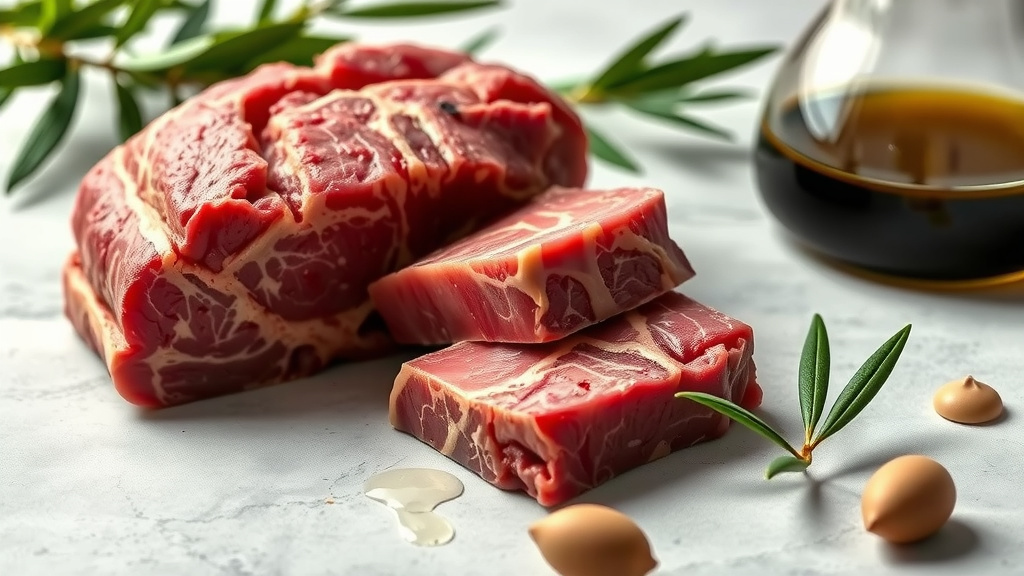
Beef tallow is rendered beef fat. It’s about 50% saturated fat. It also contains monounsaturated fats and a small amount of polyunsaturated fats. It’s a good source of certain fat-soluble vitamins like A, D, E, and K, though often in smaller amounts depending on the source. It also contains conjugated linoleic acid (CLA), a fatty acid that some studies suggest may have health benefits, like anti-inflammatory properties, but more research is needed.
Olive Oil: The Breakdown
Extra virgin olive oil, in particular, is a star player. It’s loaded with monounsaturated fats, making up about 73% of its fat content. It’s also packed with antioxidants, such as polyphenols. These compounds help fight inflammation and protect your cells from damage. The World Health Organization and many dietary guidelines recommend using olive oil as a primary fat source for its health-promoting properties.
Health Benefits and Concerns
Now, let’s talk about how these fats might affect your body. It’s not always black and white, and context is key.
Olive Oil’s Health Advantages
Olive oil is widely praised for its heart health benefits. The high monounsaturated fat content is a major reason. It helps improve cholesterol levels. The antioxidants in olive oil also play a significant role. They can help protect against chronic diseases. Many experts agree that incorporating olive oil into your diet is a smart move for overall wellness.
Beef Tallow: What to Consider
Beef tallow has been a traditional cooking fat for generations. It can add a wonderful flavor to foods like roasted potatoes or fried chicken. However, its high saturated fat content is a concern for many. Consuming too much saturated fat is linked to an increased risk of heart disease. It’s often advised to use it in moderation. Some people on specific diets, like ketogenic or paleo, prefer tallow. They focus on animal fats and avoid seed oils. But for general heart health, it’s not usually the top recommendation.
Cooking Applications and Heat Stability
The way you cook with a fat matters too. High heat can sometimes break down oils, affecting their health benefits and potentially creating harmful compounds.
Tallow in the Kitchen
Beef tallow has a high smoke point. This means it can handle high cooking temperatures without breaking down easily. It’s great for frying, searing, and roasting. This makes it a practical choice for certain cooking methods where you need a stable fat.
Olive Oil’s Heat Limits
Extra virgin olive oil has a moderate smoke point. It’s best for lower-heat cooking, sautéing, baking, and as a salad dressing. When heated past its smoke point, it can lose some of its beneficial compounds and develop a bitter taste. Refined olive oils have higher smoke points, making them more versatile for higher heat. But you’ll want to stick to extra virgin for the most potent health benefits.
Making Your Choice: A Quick Comparison
To help you decide, let’s look at a simplified comparison. Think of this as a quick reference guide for your kitchen.
| Feature | Beef Tallow | Olive Oil (Extra Virgin) |
|---|---|---|
| Primary Fat Type | Saturated Fat | Monounsaturated Fat |
| Heart Health | Less recommended due to saturated fat | Highly recommended |
| Antioxidants | Lower | High |
| Smoke Point | High | Moderate |
| Best Use | High-heat cooking, frying, traditional recipes | Salads, sautéing, baking, finishing |
Your Healthy Fat Checklist
Ready to make an informed decision for your pantry? Here’s a quick checklist to guide you:
- Prioritize monounsaturated fats for heart health.
- Limit saturated fat intake, as per dietary guidelines.
- Choose extra virgin olive oil for its antioxidants and health benefits.
- Use fats suitable for your cooking method (smoke point matters!).
- Consider your personal dietary goals and preferences.
- Enjoy both fats in moderation, understanding their roles.
Ultimately, both beef tallow and olive oil can fit into a balanced diet. However, for daily cooking and maximizing heart health benefits, olive oil often comes out on top. You can think of olive oil as your reliable, everyday workhorse for good health, while tallow might be your occasional special ingredient for flavor.
Conclusion
You’ve learned that when it comes to everyday health and heart support, olive oil generally shines. Its rich monounsaturated fats and antioxidants make it a fantastic choice for your regular meals. Beef tallow offers unique flavor and high heat stability, making it suitable for specific cooking styles. However, its higher saturated fat content means it’s best enjoyed in moderation. For a heart-healthy pantry, aim to make olive oil your go-to. Consider your cooking needs and dietary goals to balance your fat intake effectively. Start by swapping your daily cooking oil to extra virgin olive oil and enjoy the benefits!
Frequently Asked Questions
Can I use beef tallow and olive oil interchangeably?
While both are cooking fats, they aren’t always direct substitutes. Olive oil is better for low-heat cooking and dressings due to its moderate smoke point and delicate flavor. Beef tallow excels in high-heat frying and searing because of its higher smoke point.
Is beef tallow bad for your heart?
Beef tallow is high in saturated fat, which, when consumed in excess, can contribute to higher LDL (“bad”) cholesterol levels. Health organizations generally recommend limiting saturated fat intake for better heart health. It’s best used in moderation as part of a balanced diet.
Are the antioxidants in olive oil really that important?
Yes, the antioxidants, particularly polyphenols, found abundantly in extra virgin olive oil are very important. They help combat inflammation and protect your body’s cells from damage, contributing to overall long-term health and disease prevention.
What is the best type of olive oil for health benefits?
Extra virgin olive oil (EVOO) offers the most health benefits. It is less processed and retains more of its natural antioxidants and beneficial compounds compared to refined or “light” olive oils. Look for EVOO for maximum nutritional advantage.
Can people on a ketogenic or paleo diet use both fats?
Yes, both fats can fit into ketogenic and paleo diets, but often with different emphasis. Paleo followers may favor tallow due to its natural, animal-based origin. Keto dieters can use both, focusing on tallow for high-heat cooking and olive oil for dressings and lower-heat applications, as both are low-carb and don’t spike blood sugar.

![7 Best Italian Olive Oil For Dipping Bread [2026]](https://bestpureessentialoils.com/wp-content/uploads/2026/08/7-best-italian-olive-oil-for-dipping-bread-2026-featured-768x432.jpg)
![7 Best Olive Oil Dispenser [2026]](https://bestpureessentialoils.com/wp-content/uploads/2026/07/7-best-olive-oil-dispenser-2026-featured-768x432.jpg)
![7 Best Extra Virgin Olive Oil From California [2026]](https://bestpureessentialoils.com/wp-content/uploads/2026/08/7-best-extra-virgin-olive-oil-from-california-2026-featured-768x432.jpg)