
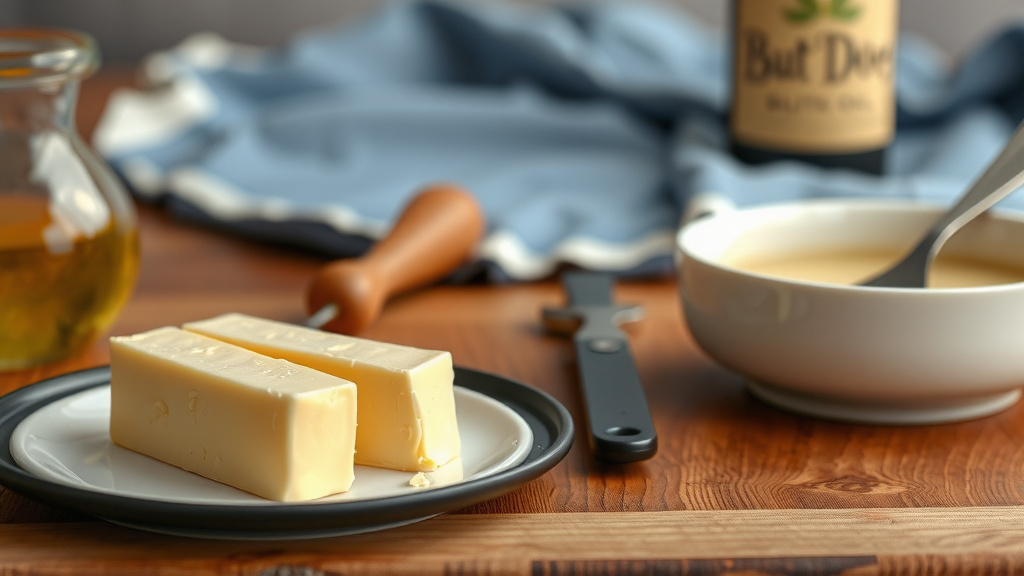
Butter vs Extra Virgin Olive Oil: Which is Healthier
When choosing between butter and extra virgin olive oil, extra virgin olive oil is generally considered the healthier choice for cooking and dressing. This is because EVOO is a monounsaturated fat, which is better for your heart. Butter is primarily saturated fat. While both have their place in the kitchen, they differ in nutritional makeup and best uses.
The debate between butter and extra virgin olive oil often comes down to health benefits and cooking applications. Many research studies show that incorporating more healthy fats, like those found in EVOO, can positively impact your well-being. Butter, while delicious, is higher in saturated fat and cholesterol. We found that understanding these differences helps you make smarter choices for your meals.
- EVOO is generally healthier due to its monounsaturated fats.
- Butter is mostly saturated fat and contains cholesterol.
- EVOO is great for dressings, sautéing, and finishing dishes.
- Butter shines in baking and adding rich flavor to sauces.
Let’s break down what makes each unique and when you might reach for one over the other.
You’ve heard the buzz, seen the labels, and maybe even wondered. When it comes to your kitchen staples, butter and extra virgin olive oil (EVOO) are two heavy hitters. But are they really interchangeable? We dug into what makes them tick, nutritionally speaking, to help you decide which one to reach for.
Understanding Your Fats: Butter vs. Extra Virgin Olive Oil
Choosing between butter and extra virgin olive oil often boils down to what your body needs and what your taste buds crave. It’s not just about flavor; it’s about the type of fat you’re adding to your diet.
The Nutritional Breakdown: What’s Inside?
Let’s get down to the nitty-gritty of what you’re actually consuming. This is where the biggest differences lie.
Butter: The Dairy Delight
Butter is made from milk fat. You can think of it as the concentrated essence of creamy goodness. It’s a staple in many kitchens for its rich flavor and how it transforms baked goods. However, nutritionally, it’s quite different from olive oil.
Butter is primarily composed of saturated fat. Research from the USDA indicates that about 63% of the fat in butter is saturated. It also contains cholesterol. While saturated fat and cholesterol have long been linked to heart health concerns, dietary guidelines are evolving. For instance, the American Heart Association recommends limiting saturated fat intake to help reduce the risk of heart disease (American Heart Association).
Extra Virgin Olive Oil: The Liquid Gold
Extra virgin olive oil, on the other hand, is derived from olives. It’s the first pressing of the fruit, meaning it retains more of its natural goodness. This is why it’s considered a premium olive oil.
EVOO is rich in monounsaturated fats. These are considered “good” fats. Studies suggest that replacing saturated fats with monounsaturated fats can help lower LDL cholesterol levels, often referred to as “bad” cholesterol (Harvard Health).
Beyond monounsaturated fats, EVOO is packed with antioxidants. These compounds help protect your cells from damage. Extra virgin olive oil also contains some polyunsaturated fats. It has virtually no cholesterol. We found that the antioxidant content is a significant advantage for EVOO.
Health Benefits: Who Comes Out on Top?
When we look at the science, extra virgin olive oil generally gets the nod for being the healthier option, especially for regular consumption.
Heart Health Heroes
Your heart works hard for you, and what you eat plays a big role in keeping it happy. Monounsaturated fats found abundantly in EVOO are great for heart health. They can help improve your cholesterol profile. This is a key reason why the Mediterranean diet, which is high in olive oil, is so highly regarded (Mayo Clinic).
Butter, with its higher saturated fat content, can potentially impact cholesterol levels differently. For individuals looking to manage cholesterol, reducing saturated fat intake is often recommended. We found that many health organizations advise moderation with butter.
Inflammation and Antioxidants
Chronic inflammation can be a root cause of many diseases. EVOO contains oleocanthal, a compound with anti-inflammatory properties similar to ibuprofen. This is a powerful benefit not typically found in butter. The antioxidants in EVOO also combat oxidative stress, which is linked to aging and disease.
Cooking and Flavor: Where Do They Shine?
Beyond the numbers, how do these fats perform in your kitchen? Their unique properties lend themselves to different culinary applications.
The Smoke Point Showdown
The smoke point of a fat is the temperature at which it starts to break down and produce smoke. This is important for cooking, as fats that smoke can release harmful compounds and taste bitter.
Butter has a relatively low smoke point, around 302-350°F (150-177°C). This makes it less ideal for high-heat cooking methods like searing or deep-frying. When butter gets too hot, its milk solids burn first. You’ll notice it turning brown and smelling burnt.
Extra virgin olive oil has a smoke point that varies depending on its quality. Generally, it’s around 375-405°F (190-207°C). This higher smoke point makes EVOO a much better choice for sautéing, roasting, and even pan-frying. We found that using EVOO for these methods results in a cleaner flavor and healthier outcome.
Flavor Profiles
This is where personal preference really comes into play! Butter brings a rich, creamy, and slightly sweet flavor. It’s perfect for adding a decadent finish to sauces, enhancing the flavor of steamed vegetables, or creating those flaky pie crusts.
EVOO offers a range of flavors, from peppery and grassy to fruity and mild. High-quality EVOO can add a bright, fresh taste to salads, pasta dishes, and grilled foods. It’s excellent for making salad dressings or drizzling over finished meals.
Baking vs. Sautéing: The Best Tools for the Job
When you’re baking, butter often takes the crown. Its fat structure and flavor contribute to the texture and taste of cakes, cookies, and pastries in a way that oil sometimes can’t replicate. The way butter creams with sugar creates air pockets, essential for leavening.
For everyday cooking, like sautéing vegetables or pan-frying chicken, EVOO is generally your best bet. Its higher smoke point and heart-healthy fats make it a smart and versatile choice. You can also use it for marinades or as a base for vinaigrettes.
Making Your Kitchen Choices: A Quick Guide
So, how do you decide? It’s not about declaring one “bad” and the other “good,” but rather using them wisely.
- For raw applications (dressings, dips): EVOO is fantastic. Its flavor shines, and you get all the benefits.
- For sautéing and pan-frying: Reach for EVOO. It handles the heat better.
- For baking: Butter often provides superior texture and flavor, especially in traditional recipes.
- For finishing dishes (drizzling): Both can work, but a flavorful EVOO adds a lovely fresh note.
- For creamy sauces (like a béchamel): Butter is often the foundation.
We’ve found that having both on hand allows you to make the most of their unique strengths. Think of them as specialized tools in your culinary toolbox!
Here’s a handy table to quickly compare:
| Feature | Butter | Extra Virgin Olive Oil (EVOO) |
|---|---|---|
| Primary Fat Type | Saturated Fat | Monounsaturated Fat |
| Cholesterol | Yes | No |
| Smoke Point | Lower (150-177°C / 302-350°F) | Higher (190-207°C / 375-405°F) |
| Key Health Benefits | Flavor, texture in baking | Heart health, antioxidants, anti-inflammatory |
| Best Uses | Baking, rich sauces, finishing | Sautéing, dressings, roasting, finishing |
Your Healthy Kitchen Checklist
To help you navigate your pantry, here’s a quick checklist:
- Check the label on your oil: Ensure it’s truly “extra virgin” for the best quality.
- Consider your cooking method: High heat? EVOO is likely your friend.
- Think about flavor: Do you want rich and creamy or bright and peppery?
- Listen to your body: How do different fats make you feel?
- Aim for balance: Enjoy both, but understand their different roles in your diet.
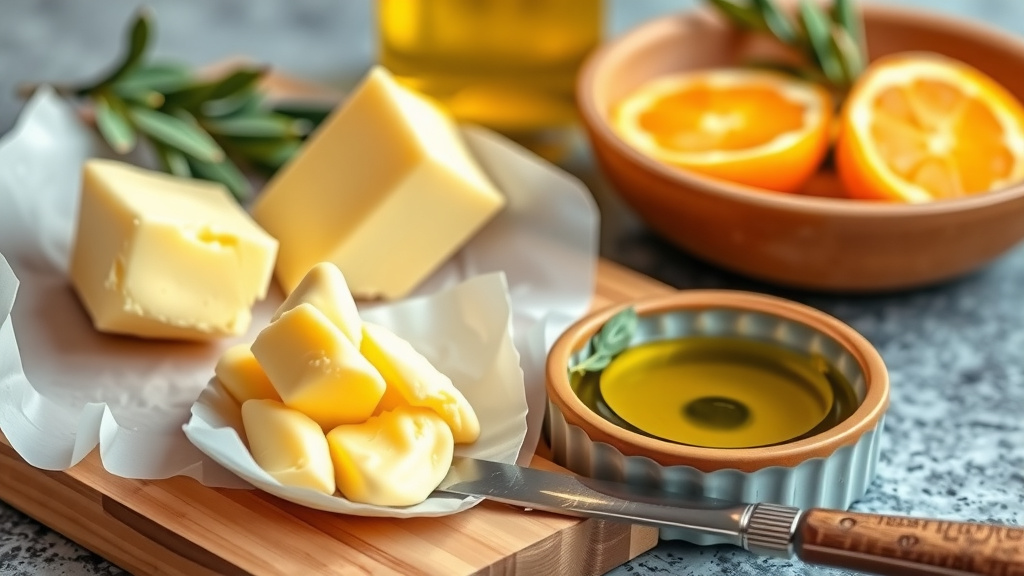
Conclusion
You’ve learned that both butter and extra virgin olive oil bring unique strengths to your kitchen. EVOO stands out for its heart-healthy monounsaturated fats and beneficial antioxidants, making it ideal for dressings and higher-heat cooking. Butter offers rich flavor and texture, shining in baking and creamy sauces.
Ultimately, the best choice depends on your meal and your health goals. We found that understanding their properties helps you make smart swaps. For your next meal, try reaching for EVOO when sautéing and butter when baking, and enjoy the delicious results!
Frequently Asked Questions
Can I substitute butter with olive oil in baking?
You can, but the results may differ. Substituting butter with olive oil in baking can change the texture and flavor of your goods. Olive oil often results in a denser, moister product, and may impart a slight flavor. You might need to adjust the recipe slightly.
Is extra virgin olive oil good for high-heat cooking?
Yes, extra virgin olive oil is generally a good choice for most high-heat cooking methods. Its smoke point is higher than butter’s, meaning it can withstand higher temperatures before burning. This makes it suitable for sautéing, roasting, and pan-frying.
Does butter have any health benefits?
Butter’s primary benefits are culinary: it provides rich flavor and creates desirable textures in baked goods and sauces. While it contains some fat-soluble vitamins, it is high in saturated fat, which health organizations recommend limiting for heart health.
What is the difference between extra virgin olive oil and regular olive oil?
Extra virgin olive oil is the highest grade of olive oil. It’s made from the first pressing of olives using mechanical means, preserving more flavor, nutrients, and antioxidants. Regular or “pure” olive oil is often a blend of refined olive oil and some virgin olive oil, resulting in a milder flavor and fewer health benefits.
Which is better for salad dressings: butter or olive oil?
Extra virgin olive oil is far better for salad dressings. Butter cannot be used in its solid form for dressings and would need to be melted, changing the emulsion and flavor profile entirely. EVOO’s fresh, often peppery or fruity notes blend beautifully with vinegar or lemon juice for vibrant vinaigrettes.

![7 Best Italian Olive Oil In The World [2026]](https://bestpureessentialoils.com/wp-content/uploads/2026/08/7-best-italian-olive-oil-in-the-world-2026-featured-768x432.jpg)
![7 Best Fresh Pressed Olive Oil [2026]](https://bestpureessentialoils.com/wp-content/uploads/2026/08/7-best-fresh-pressed-olive-oil-2026-featured-768x432.jpg)
![7 Best Italian Olive Oil For Dipping Bread [2026]](https://bestpureessentialoils.com/wp-content/uploads/2026/08/7-best-italian-olive-oil-for-dipping-bread-2026-featured-768x432.jpg)
![7 Best Crete Olive Oil [2026]](https://bestpureessentialoils.com/wp-content/uploads/2026/06/7-best-crete-olive-oil-2026-featured-768x432.jpg)