
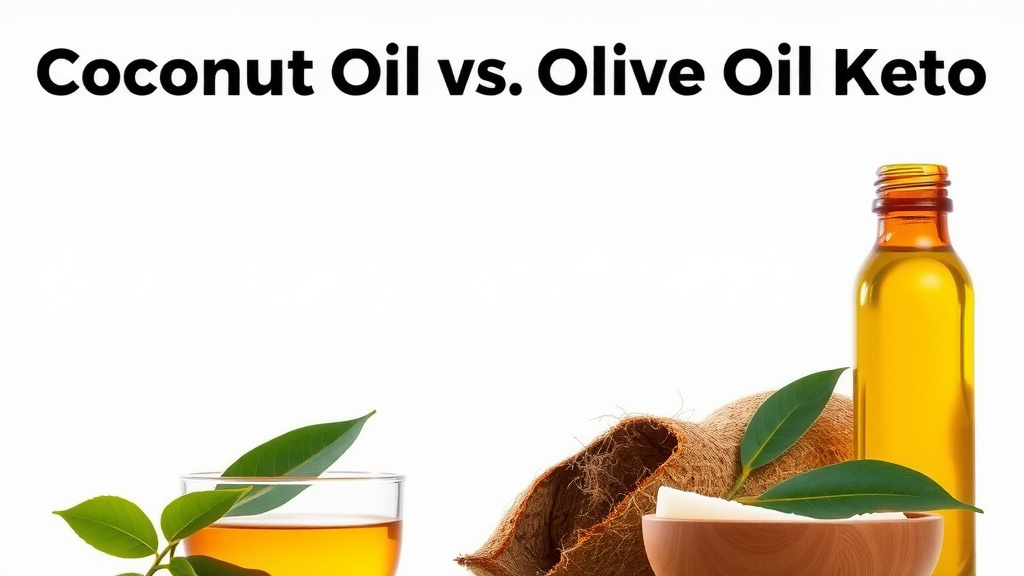
Coconut Oil vs Olive Oil Keto: Which is Best?
When choosing between coconut oil and olive oil for your keto diet, both are excellent, but olive oil is generally preferred for dressings and finishing, while coconut oil shines in cooking and baking. The best choice often depends on the specific meal and cooking method you’re using. Both offer healthy fats that fit perfectly into a ketogenic lifestyle, helping you reach ketosis and stay there.
On a keto diet, healthy fats are your best friend. They provide energy and help you feel full. Olive oil, especially extra virgin, is rich in monounsaturated fats and antioxidants. Coconut oil is known for its medium-chain triglycerides (MCTs), which are quickly converted into energy by your body. We found that understanding their smoke points and flavor profiles is key to using them effectively.
- Olive oil is great for cold uses like salad dressings.
- Coconut oil is better for high-heat cooking due to its stability.
- Both fit well into a keto diet for fat intake.
- MCTs in coconut oil offer quick energy.
- Antioxidants in olive oil provide health benefits.
Let’s dive into the details of coconut oil versus olive oil on keto so you can pick the perfect one for your next meal!
“`htmlKeto Cooking Oils: Coconut Oil vs. Olive Oil on Your Diet
When you’re focusing on a ketogenic lifestyle, picking the right fats is super important. You’ve probably heard a lot about both coconut oil and olive oil. They’re both keto-friendly, but they have different strengths. Think of them as kitchen superheroes with different powers. We found that understanding these differences helps you make the best choice for each meal.
Understanding the Keto Diet’s Fat Focus
On keto, your body burns fat for energy. Healthy fats are key to reaching ketosis and staying there. They help you feel full and satisfied. Your body needs a lot of fat when you drastically cut carbs. That’s why choosing the right oils matters. They contribute a large portion of your daily calories.
Coconut Oil: A Keto Powerhouse?
Coconut oil is a star in many keto discussions. It’s famous for its medium-chain triglycerides, or MCTs. These are a special type of fat that your body processes differently. Instead of being stored, MCTs are quickly sent to the liver for energy. Research shows this can boost ketone production (Nutrients Journal).
The MCT Advantage
Why are MCTs so great for keto? They can give you a quick energy boost. This can be helpful when you’re feeling that keto fog lift. Many people find it helps them power through workouts or busy days. Plus, MCTs are less likely to be stored as body fat compared to other fats. This is a win for your keto goals.
Flavor and Cooking Properties
Coconut oil has a distinct, tropical flavor. This can be wonderful in baked goods or certain savory dishes. It adds a lovely sweetness. Unrefined or virgin coconut oil has a stronger flavor. Refined coconut oil is more neutral. It’s also quite stable at higher temperatures. We found this makes it a good choice for sautéing and frying.
When to Reach for Coconut Oil
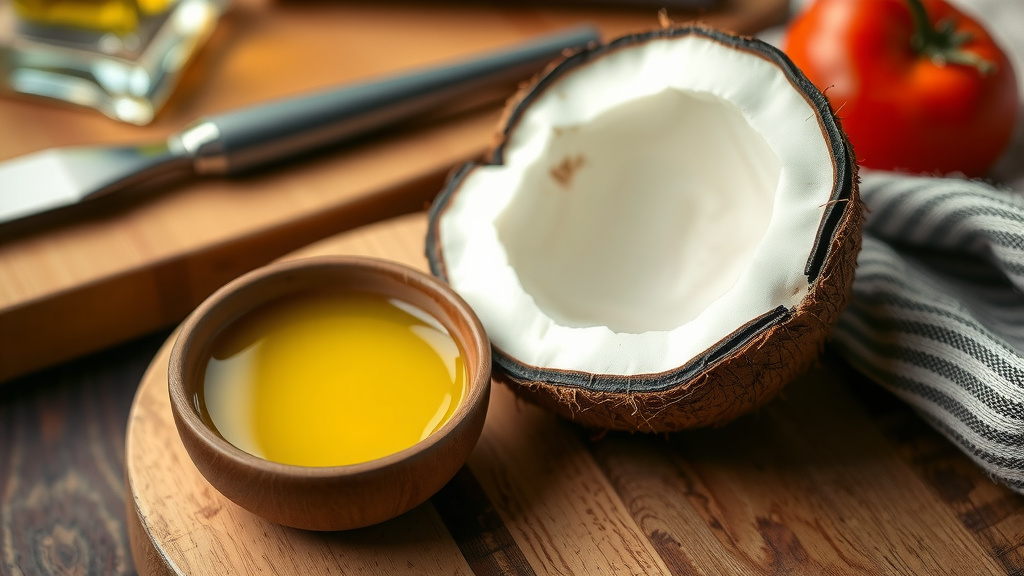
Coconut oil is fantastic for your keto baking projects. Think muffins, cookies, or fat bombs. Its solid form at room temperature is also useful. It’s perfect for making homemade energy bars. You can also use it for stir-fries or pan-searing meats. Just be mindful of the flavor it imparts.
Olive Oil: The Mediterranean Staple
Olive oil, especially extra virgin olive oil (EVOO), is a cornerstone of healthy eating. It’s packed with monounsaturated fats, which are known for their heart health benefits (American Heart Association). These fats are stable and great for your body.
Rich in Antioxidants
EVOO is a treasure trove of antioxidants, like polyphenols. These compounds fight inflammation and protect your cells from damage. This is a major health plus. While keto focuses on macros, the quality of your fats matters too. Many health experts point to EVOO as one of the healthiest fats you can consume.
Flavor Profile and Uses
Olive oil has a more savory, sometimes peppery, flavor. This makes it ideal for dishes where you want that Mediterranean taste. It’s less stable at high heat than coconut oil. Its smoke point is lower. This means it can break down and lose its benefits when heated too much.
Best Uses for Olive Oil on Keto
Olive oil truly shines in cold applications. Think salad dressings, marinades, or drizzling over cooked vegetables. It’s perfect for dipping crusty keto bread. You can also use it for light sautéing at medium heat. Just avoid high-temperature frying with EVOO.
Coconut Oil vs. Olive Oil: A Quick Comparison
Let’s break down their key differences in a simple table. This should help you decide at a glance.
| Feature | Coconut Oil | Olive Oil (Extra Virgin) |
|---|---|---|
| Primary Fat Type | MCTs (Medium-Chain Triglycerides) | Monounsaturated Fats |
| Smoke Point | Higher (around 350-400°F refined) | Lower (around 375°F unrefined) |
| Flavor | Tropical, sweet | Savory, peppery, fruity |
| Best For | Baking, high-heat cooking, energy boost | Dressings, marinades, finishing, low-heat sautéing |
| Keto Benefit | Quick energy from MCTs, helps satiety | Heart health, antioxidants, satiety |
Making the Right Choice for Your Keto Meals
So, which one should you choose? It really comes down to what you’re making. Think about the flavor you want and the cooking temperature. Don’t feel like you have to pick just one. Many keto kitchens happily stock both!
High-Heat Cooking and Baking
For recipes that require high heat, like searing steak or stir-frying, coconut oil is often the better choice. Its stability at higher temperatures prevents it from breaking down. For baking, coconut oil can add a lovely texture and flavor, especially in sweet treats. You might find it helps your keto baked goods have a good crumb.
Salads, Dressings, and Finishing Touches
When you’re making a fresh salad or a zesty vinaigrette, reach for the olive oil. Its vibrant flavor enhances raw dishes beautifully. Drizzling a good quality EVOO over grilled meats, roasted vegetables, or even a keto soup adds a final touch of deliciousness and healthy fat. It’s perfect for when you don’t need high heat.
A Note on Other Oils
While coconut and olive oils are popular, other fats can also fit into your keto diet. Avocado oil, for instance, has a high smoke point and a neutral flavor, making it versatile for cooking. Butter and ghee are also excellent sources of fat for keto. We found that variety keeps things interesting and ensures you get a range of nutrients.
Your Keto Oil Checklist
To help you remember, here’s a quick checklist for picking your keto oils:
- Is it for high-heat cooking? Choose coconut oil or avocado oil.
- Are you making a salad dressing? Olive oil is your go-to.
- Craving a tropical flavor? Coconut oil will work wonders.
- Want heart-healthy benefits? Extra virgin olive oil is a winner.
- Need quick energy? Coconut oil’s MCTs can help.
- Adding a finishing drizzle? Use your favorite flavorful oil like EVOO.
By understanding these differences, you can confidently use both coconut oil and olive oil to support your ketogenic goals. They both play important roles in a delicious and effective keto diet!
“`
Conclusion
You’ve learned how both coconut oil and olive oil can be staples on your ketogenic journey. Remember that coconut oil is your best bet for high-heat cooking and baking, thanks to its stability and MCTs. Olive oil, especially extra virgin, truly shines when you’re creating flavorful dressings, marinades, or adding a finishing touch without high heat. Don’t think you have to choose just one; a well-stocked keto kitchen likely has both! Start by considering your next meal: high heat or a fresh salad? Your choice will become clear. Happy keto cooking!
Frequently Asked Questions
Can I use only olive oil for keto cooking?
While olive oil is fantastic for many keto dishes, its lower smoke point makes it less ideal for high-heat cooking like searing or frying. For those methods, coconut oil or avocado oil would be a better choice to prevent the oil from breaking down and losing its benefits.
Is coconut oil good for weight loss on keto?
The MCTs in coconut oil can help boost your metabolism and provide quick energy, which may support weight loss efforts on keto. They can also help you feel fuller longer, potentially reducing overall calorie intake. However, it’s still a calorie-dense fat, so portion control is key.
What’s the difference in taste between coconut oil and olive oil?
Refined coconut oil has a neutral flavor, while unrefined or virgin coconut oil has a distinct tropical and slightly sweet taste. Extra virgin olive oil offers a more savory, fruity, and sometimes peppery flavor profile, which works wonderfully in Mediterranean-inspired dishes.
Can I combine coconut oil and olive oil in my keto diet?
Absolutely! Most keto diets benefit from a variety of healthy fats. You can use coconut oil for cooking and baking, and olive oil for dressings and finishing dishes. This approach ensures you get the unique benefits and flavors of both.
Which oil is healthier for keto: coconut or olive oil?
Both oils offer excellent health benefits for your keto diet. Olive oil is rich in heart-healthy monounsaturated fats and antioxidants, while coconut oil provides MCTs that are quickly converted to energy. The “healthiest” choice often depends on your specific needs and how you plan to use it.

![7 Best Olive Oils [2026]](https://bestpureessentialoils.com/wp-content/uploads/2026/07/7-best-olive-oils-2026-featured-768x432.jpg)

![7 Best Extra Virgin Olive Oil For Pizza [2026]](https://bestpureessentialoils.com/wp-content/uploads/2026/08/7-best-extra-virgin-olive-oil-for-pizza-2026-featured-768x432.jpg)