How Virgin Olive Oil Is Made: A Simple Guide
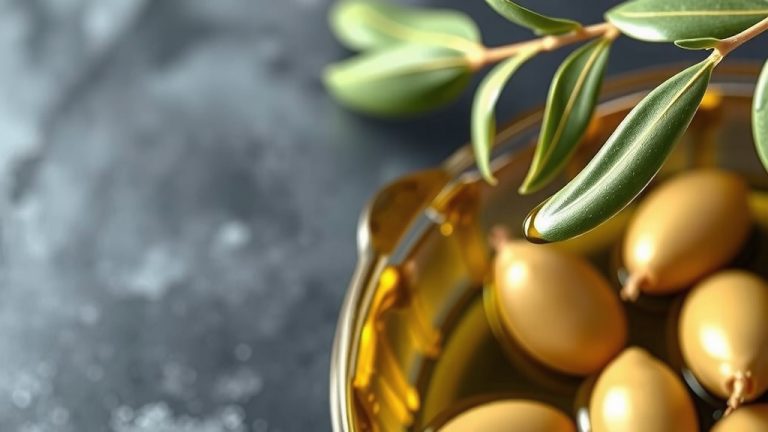
Virgin olive oil is made by simply crushing fresh olives and extracting their oil without using any heat or chemicals. This cold-pressing method preserves the natural flavor and healthy nutrients of the olives. It’s essentially just fruit juice, but from olives instead of oranges!
When we talk about “virgin” olive oil, it’s a bit like a seal of quality. It means the oil meets strict standards for acidity and taste. This ensures you’re getting a pure, flavorful oil with all its natural goodness intact. We found that the lower the acidity, the higher the quality.
- Olives are the star ingredient.
- They are picked and pressed quickly.
- No heat or chemicals are used in production.
- This results in a pure, flavorful oil.
Ready to see how these wonderful olives turn into the delicious oil you love? Let’s walk through the steps of making virgin olive oil.
How Virgin Olive Oil Comes to Be
You might be wondering just how that beautiful, golden liquid gets from the olive tree to your plate. The process for virgin olive oil is quite straightforward, but it’s that simplicity that makes it so special. It really boils down to how the olives are treated after they’re picked.
The Journey from Grove to Press
It all begins with the olive harvest. Farmers carefully pick ripe olives, usually by hand or with gentle mechanical shakers. The timing is critical. Olives are best when they are perfectly ripe but not overripe. This ensures the best flavor and highest oil content.
Once harvested, the olives need to be processed quickly. Many experts say this should happen within 24 hours of picking. This speed is key to preventing any spoilage or fermentation. Imagine leaving a fresh apple out for days – it wouldn’t be the same, right? The same applies to olives.
Washing and Preparing the Olives
When the olives arrive at the mill, they get a good rinse. This washing step removes dirt, leaves, and any other debris. It’s important to have clean fruit before pressing. You wouldn’t want dirt in your salad dressing, and the same rule applies here.
After washing, the olives are ready for the next stage. They might still have some stems attached, but these are usually small and don’t affect the final oil quality. The whole olive, pit and all, is typically used.
The Cold-Pressing Process Explained
This is where the magic truly happens. Virgin olive oil is made through a mechanical process. No heat or chemicals are involved. This method is what earns it the “virgin” label. It’s all about preserving the olive’s natural goodness. Virgin olive oil is made through a mechanical process. Our guide to how olive oil is traditionally made details this method.
Crushing the Olives: The First Step
The clean olives are then fed into a crusher. Traditionally, heavy stone wheels were used. Nowadays, modern mills often use stainless steel crushers. These machines pulverize the olives, including the pits, skins, and pulp. This creates a thick paste.
Think of it like making a chunky fruit puree. This olive paste is a mixture of solids and liquids. The liquids contain both olive juice and the precious olive oil. The goal now is to separate these components.
Malaxation: Gentle Mixing for Oil Release
After crushing, the paste undergoes a process called malaxation. This involves slowly stirring the olive paste. It’s done in large, slow-moving mixers. The aim is to encourage the tiny oil droplets within the paste to clump together.
This step is done at low temperatures, typically below 27°C (80.6°F). Many experts emphasize that keeping the temperature down is vital. We found that higher temperatures can damage the delicate flavor compounds. It’s like gently coaxing the oil out, not forcing it.
Malaxation usually takes about 20 to 40 minutes. The duration can vary depending on the olive variety and ripeness. Too little mixing won’t release enough oil. Too much can start to degrade its quality.
Separation: Extracting the Pure Oil
Once the malaxation is complete, the olive paste is ready for separation. This is typically done using a centrifuge. The centrifuge spins the paste at high speeds. This rapid spinning separates the mixture into three main components:
- Olive oil
- Water (from the olives)
- Olive solids (pomace)
This mechanical separation is efficient and clean. It means no external substances are added. The result is pure olive oil. We found that this is a critical step in maintaining the oil’s purity.
Some smaller mills might still use a traditional press method. In this system, the paste is spread onto fiber discs, stacked, and then pressed. This also separates the oil and water from the solids. However, centrifuges are more common today for efficiency.
Filtration: The Final Polish (Optional but Recommended)
After the centrifuge does its work, you have virgin olive oil. However, it might still contain tiny particles of olive pulp or water. Many producers choose to filter the oil at this stage.
Filtration removes these remaining solids. This process helps to extend the oil’s shelf life. It also results in a clearer, brighter oil. While some very high-quality oils are unfiltered, filtering is generally recommended for stability. We found that filtered oils tend to last longer.
Ensuring Quality: The Standards of Virgin Olive Oil
The term “virgin” isn’t just a marketing word. It signifies that the oil meets specific quality criteria set by international organizations. These standards focus on both the chemical composition and sensory attributes of the oil.
Acidity Levels: A Key Indicator
One of the most important measures is the level of free oleic acid. This indicates how much the oil has degraded. For extra virgin olive oil, the acidity must be 0.8% or less. For virgin olive oil (a slightly lower grade), it can be up to 2%.
Many guidelines suggest that lower acidity correlates with higher quality (International Olive Council).
Sensory Evaluation: Tasting Matters
Beyond chemical analysis, virgin olive oils must also pass a sensory evaluation. This is done by a trained tasting panel. They check for defects in taste and aroma. The oil should have a pleasant fruity aroma and taste.
There should be no off-flavors, such as rancid, fusty, or metallic notes. It’s like a quality control check for flavor. This ensures that you’re enjoying the true taste of the olive.
What Makes Virgin Different from Refined?
Refined olive oil, on the other hand, has undergone chemical or physical treatments. This is usually done to correct defects or make an oil more stable. These processes can strip away much of the flavor, aroma, and beneficial compounds. Virgin olive oil, made without these treatments, retains its natural characteristics.
A Quick Checklist for Your Virgin Olive Oil Journey:
- Harvest olives at peak ripeness.
- Process them within 24 hours.
- Crush olives into a paste.
- Gently mix the paste (malaxation).
- Separate oil using a centrifuge.
- Filter (recommended) for stability.
- Ensure low acidity and pleasant taste.
Conclusion
Making virgin olive oil is a beautiful dance with nature. It relies on harvesting olives at their peak and processing them quickly. The cold-pressing method, avoiding heat and chemicals, is key. This ensures you get that pure, flavorful oil with all its natural goodness intact. We found that the simplicity of the process highlights the quality of the olives themselves. When you choose virgin olive oil, you’re choosing a product that honors the fruit it comes from. So next time you reach for that bottle, remember the care that went into it!
Frequently Asked Questions
How quickly do olives need to be processed after picking?
For the best quality virgin olive oil, olives should ideally be processed within 24 hours of being harvested. This speed helps prevent any spoilage or fermentation from starting. We found that quick processing is essential for preserving the fresh, fruity flavors you expect.
Can I make virgin olive oil at home?
While the concept is simple, creating true virgin olive oil at home is very difficult. Professional mills have specialized equipment for crushing, malaxation, and separation. These tools ensure the proper temperature control and efficiency needed. We found that achieving the required purity and low acidity without this gear is nearly impossible.
What’s the difference between virgin olive oil and extra virgin olive oil?
Both are made using cold-pressing. The main difference lies in their acidity levels and sensory evaluation. Extra virgin olive oil has an acidity of 0.8% or less and no taste defects. Virgin olive oil can have up to 2% acidity and may have minor taste flaws. We found that extra virgin generally represents the highest standard.
Why is temperature control so important during production?
Keeping the temperature low, ideally below 27°C (80.6°F), during malaxation is vital. Higher temperatures can damage the olive oil’s delicate flavor compounds and increase its acidity. We found that this gentle approach preserves the natural aroma and taste of the olives.
What is pomace in the olive oil-making process?
Pomace refers to the solid material left after the oil and water are separated from the olive paste. It includes the skins, pulp, and pits. While it’s a byproduct of virgin olive oil production, it can sometimes be further processed to extract residual oil, though this typically involves refining.

![7 Best Meyer Lemon Olive Oil [2026]](https://bestpureessentialoils.com/wp-content/uploads/2026/09/7-best-meyer-lemon-olive-oil-2026-featured-768x432.jpg)