How Long After Expiration Can You Use Olive Oil
You can often use olive oil for a while past its expiration date, sometimes for up to 2 years if stored properly. While it won’t become harmful, its flavor and nutritional quality will decline over time.
An expiration date, or best-by date, is more about peak freshness than safety. We found that oils stored in a cool, dark place can stay good much longer than those left on a sunny countertop. Your olive oil might not taste as vibrant after the date, but it’s usually still safe to use.
- Olive oil is often good for 1-2 years past its date.
- Expiration dates are about quality, not safety.
- Proper storage extends its lifespan.
- Look for signs of spoilage before using.
Let’s dive into what those signs are and how to best keep your olive oil fresh for as long as possible.
“`htmlHow Long Can You Really Use Olive Oil Past Its Expiration Date?
So, you’ve found a bottle of olive oil tucked away in your pantry, and the date on the label is a little… fuzzy. We’ve all been there! The good news is, that expiration date isn’t usually a hard and fast rule. Think of it more as a “best by” quality marker rather than a strict safety deadline. Many experts agree that if stored correctly, your olive oil can remain perfectly usable for quite some time after that date.
Generally, you can expect your olive oil to stay good for about 1 to 2 years past the printed date. However, this is a broad guideline. The actual lifespan depends heavily on how you’ve treated that bottle. Factors like light, heat, and air exposure can degrade the oil much faster.
Understanding the “Best By” Date on Olive Oil
The date stamped on your olive oil bottle, often called a “best by” or “best if used by” date, is a recommendation from the manufacturer. It indicates when the product is expected to be at its peak flavor and quality. After this date, the oil might start to lose some of its vibrant taste and aroma. It doesn’t mean the oil has gone bad or become unsafe to consume.
We found that the primary concern with older olive oil is a decline in its sensory characteristics – that delightful peppery bite or fruity note might fade. Nutritional benefits, like the concentration of beneficial polyphenols, can also decrease over time.
Signs Your Olive Oil Might Be Past Its Prime
Even if it’s past the printed date, you can often tell if your olive oil is still good by using your senses. Trusting your nose and eyes is key.
Smell Test: The Most Telling Indicator
The aroma of fresh olive oil is usually fruity, grassy, or slightly peppery. If your oil has developed a rancid or “off” smell – think crayons, putty, or stale nuts – it’s a sure sign it has gone bad. This happens when the fats in the oil start to break down.
Visual Cues: What to Look For
While olive oil is typically clear or has a slight green or gold hue, pay attention to any unusual changes. A cloudy appearance or the presence of sediment at the bottom of the bottle can sometimes indicate spoilage, especially if it wasn’t there before. However, some unfiltered oils naturally have sediment, so combine this with other signs.
Taste Test: A Small Sip Goes a Long Way
If the smell test passes, a tiny sip can confirm. Fresh olive oil has a pleasant, sometimes slightly bitter or pungent taste. If your oil tastes flat, acrid, or just plain unpleasant, it’s time to let it go. Rancid oil will taste harsh and unpleasant on your tongue.
How Storage Affects Olive Oil Lifespan
Proper storage is the superhero cape for your olive oil, extending its life considerably. Think of it as protecting the oil from its enemies: light, heat, and air.
The Enemies of Olive Oil
Heat is a major culprit in accelerating the degradation process. Leaving your oil near a stove or in a sunny window can drastically shorten its shelf life. Light, especially direct sunlight, also causes the oil to break down. And air, once the bottle is opened, allows oxidation to occur.
The Ideal Storage Conditions
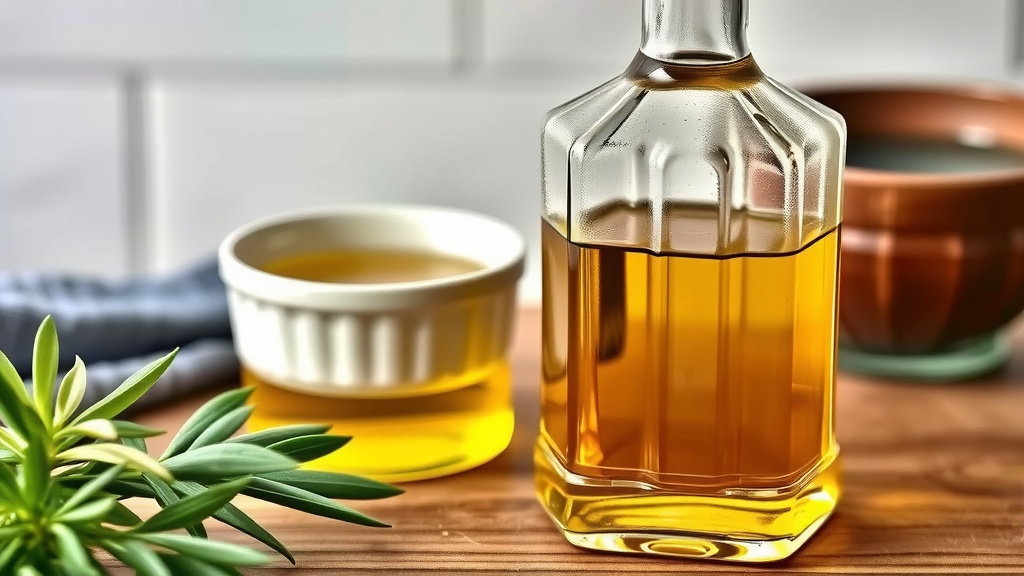
We found that the best place for olive oil is a cool, dark place. A pantry or cupboard away from heat sources is ideal. Keeping the bottle tightly sealed after each use is also critical to minimize air exposure. For long-term storage, especially if you live in a warmer climate, some experts suggest refrigerating it. Just remember to let it come to room temperature before using, as it will solidify when cold.
Storage Table: Best Practices at a Glance
| Factor | Impact on Olive Oil | Best Practice |
|---|---|---|
| Temperature | High heat speeds up rancidity. | Store in a cool environment (55-70°F or 13-21°C). |
| Light | UV rays degrade the oil. | Keep in dark bottles and store in a dark place. |
| Air | Oxygen causes oxidation and spoilage. | Keep the bottle tightly sealed when not in use. |
Using Expired Olive Oil: What’s Still Safe?
If your olive oil has passed its “best by” date but still passes your sensory tests, you can likely still use it for various purposes. The key is to adjust your expectations regarding flavor.
For Cooking and Baking
When the vibrant taste has diminished, your older olive oil is still perfectly capable for high-heat cooking like sautéing or frying. The nuances of flavor are less critical when the oil is heated intensely. It can also be used in baking, where its flavor profile might blend more subtly with other ingredients.
When to Absolutely Say Goodbye
However, if your oil exhibits any of the spoilage signs – a rancid smell, unpleasant taste, or visible mold – it’s definitely time to toss it. Consuming rancid oil won’t make you seriously ill, but it can cause an upset stomach. Plus, it just won’t taste good!
A Quick Checklist for Your Olive Oil
Before you reach for that bottle, run through this quick mental checklist:
- Is it within 1-2 years past the date?
- Does it smell fresh and fruity, not like crayons?
- Does it look clear, without excessive cloudiness?
- Does a tiny taste reveal a pleasant, not harsh, flavor?
- Has it been stored away from heat and light?
- Is the cap tightly sealed after use?
Conclusion
You’ve learned that your olive oil’s expiration date is really about peak quality, not safety. If stored correctly in a cool, dark place, it can stay good for 1 to 2 years past the printed date. Always trust your senses – a quick smell, look, and tiny taste can tell you if it’s still fresh. If it passes these tests, use it confidently for cooking or baking. When in doubt, or if you notice a rancid smell or taste, it’s best to replace it to avoid an upset stomach. So next time, give that bottle a quick check before you cook!
Frequently Asked Questions
Can I use olive oil if it’s cloudy?
A cloudy appearance can sometimes signal spoilage, but not always. Some unfiltered olive oils naturally have sediment. If the oil also smells or tastes off, then it’s likely gone bad. If it looks cloudy but still smells and tastes fresh, it might still be okay.
Is expired olive oil dangerous to eat?
Expired olive oil is generally not dangerous in the sense of causing serious illness. However, rancid oil can taste very unpleasant and may cause a mild upset stomach for some people. The main risk is a degraded flavor and reduced nutritional benefits.
How can I tell if my olive oil has gone bad?
The best way to tell is by using your senses. If the olive oil smells like crayons, putty, or stale nuts, it’s likely rancid. A tiny sip will taste harsh or acrid if it’s gone bad. A cloudy appearance or mold can also be signs of spoilage.
Does refrigeration extend the life of olive oil?
Yes, refrigeration can help extend the life of olive oil, especially in warmer climates. However, olive oil will solidify when cold. You’ll need to let it come back to room temperature before using it, as this can affect its texture and pouring consistency.
Can I use old olive oil for deep frying?
If your olive oil is past its “best by” date but still smells and tastes fresh, you can likely use it for high-heat cooking like deep frying. The oil’s subtle flavors become less important when exposed to intense heat. Just ensure it hasn’t shown signs of rancidity.

![7 Best Olive Oil Brand For Hair [2026]](https://bestpureessentialoils.com/wp-content/uploads/2026/09/7-best-olive-oil-brand-for-hair-2026-featured-768x432.jpg)
![7 Best Face Olive Oil [2026]](https://bestpureessentialoils.com/wp-content/uploads/2026/08/7-best-face-olive-oil-2026-featured-768x432.jpg)
![7 Best Olive Oil Available In Us [2026]](https://bestpureessentialoils.com/wp-content/uploads/2026/09/7-best-olive-oil-available-in-us-2026-featured-768x432.jpg)
![7 Best Extra Virgin Olive Oil For Dipping [2026]](https://bestpureessentialoils.com/wp-content/uploads/2026/08/7-best-extra-virgin-olive-oil-for-dipping-2026-featured-768x432.jpg)