How Long Does Infused Olive Oil Last? Your Shelf Life Guide
Generally, you can keep infused olive oil for about 18 months to 2 years if stored properly. Factors like the ingredients used and how you store it play a big role in its shelf life. Keeping it away from heat and light helps maintain its best quality and flavor.
Making your own infused olive oil can be a fun kitchen project. You can create unique flavors for your cooking. Knowing how long it lasts ensures you’re using it at its peak deliciousness and not past its prime. We found that proper storage is key to preserving its taste.
- Infused olive oil lasts about 18-24 months.
- Storage conditions greatly affect its lifespan.
- Keep it in a cool, dark place.
- Always check for signs of spoilage before using.
Below, we’ll walk you through how to best store your infused olive oil and what to look out for to ensure it stays fresh and tasty for as long as possible.
How Long Does Infused Olive Oil Actually Last?
You’ve probably made a delicious batch of infused olive oil, maybe with garlic, rosemary, or chili flakes. It smells amazing and tastes even better! But then you wonder, “How long can I keep this wonderful stuff before it goes bad?” It’s a great question that many home cooks ask.
Research and common kitchen wisdom suggest that properly stored infused olive oil can last for a good while. We found that the general consensus points to about 18 months to 2 years. Think of it like a good wine; it has a prime drinking window, and after that, it’s still okay, but not quite as vibrant.
The Shelf Life of Infused Olive Oil: Key Factors
Several things influence how long your infused oil will stay fresh and flavorful. It’s not just a one-size-fits-all answer. Understanding these factors will help you get the most out of your homemade creation.
Ingredient Choices Matter
The ingredients you use to infuse your oil play a surprisingly large role. Some items are more delicate than others. Fresh herbs, for instance, contain moisture. This moisture can sometimes encourage the growth of unwanted things if not handled carefully.
We found that using dried herbs or thoroughly dried fresh ingredients is a safer bet for longer shelf life. If you’re using fresh ingredients, some food safety guidelines recommend consuming the oil within a shorter timeframe, perhaps a few weeks to a couple of months, due to the increased risk of spoilage (FDA).
Fresh vs. Dried Herbs
Dried herbs have had most of their moisture removed. This makes them less prone to spoilage when submerged in oil. They release their flavor gradually and are generally safe for longer storage.
Fresh herbs, on the other hand, hold water. This water can become a breeding ground for bacteria, like Clostridium botulinum, which can cause botulism. This is a serious concern, especially if the oil is stored at room temperature. Many experts advise against infusing oils with fresh garlic or herbs if you plan to store them for extended periods without refrigeration.
Using Acidic Ingredients
What about ingredients like lemon zest or vinegar? Adding acidic components can sometimes help preserve the oil. Acidity can create an environment less friendly to spoilage. However, this is more common in recipes where the infusion is temporary and the oil is used quickly.
The Role of Olive Oil Type
The base olive oil you choose also has an impact. Extra virgin olive oil (EVOO) is generally preferred for its flavor. However, it has a shorter shelf life on its own compared to more refined olive oils because it’s less processed and contains more natural compounds.
We found that using a good quality, but perhaps not the absolute freshest, EVOO for infusions is a good balance. You want good flavor, but you also want it to hold up over time. A robust, peppery EVOO might mask some subtle infusion flavors but could offer better stability.
Optimal Storage Conditions for Your Infused Oil
Where you store your infused olive oil is perhaps the most critical factor in its longevity. Think of it like storing fine wine or delicate spices; you want to protect them from their enemies.
The Enemies: Heat and Light
Heat is a major culprit in degrading oil quality. It speeds up oxidation, which makes the oil go rancid. Rancid oil doesn’t just taste bad; it can also lose its beneficial compounds.
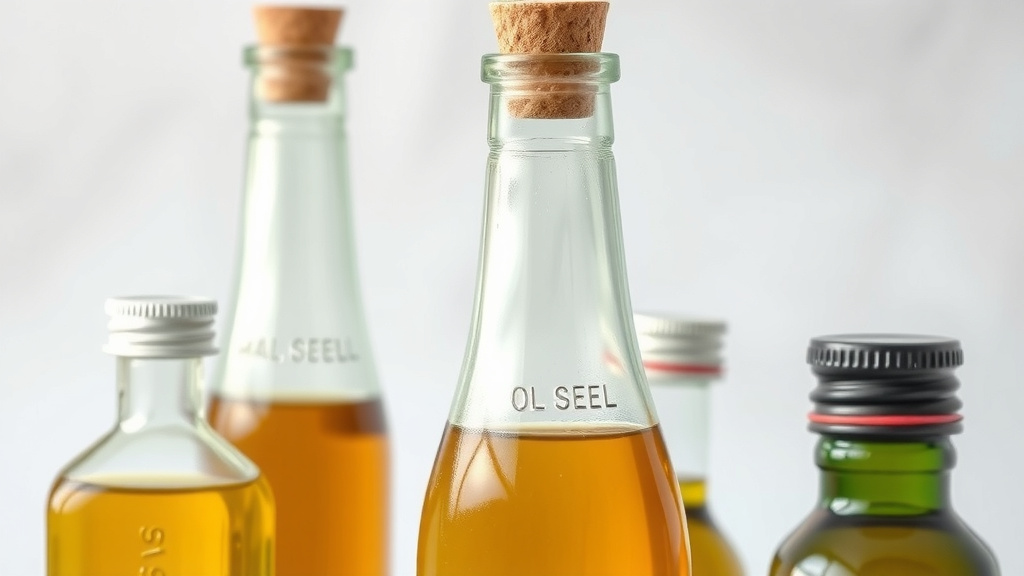
Light, especially direct sunlight, can also break down the oil. UV rays can trigger chemical reactions that lead to off-flavors and a shorter shelf life. This is why most good quality oils come in dark glass bottles.
Your Oil’s Best Friend: Cool, Dark Places
So, where should you keep your precious infused oil? A cool, dark pantry is usually your best bet. Many experts suggest temperatures between 55-70°F (13-21°C) are ideal.
Avoid storing it near the stove, oven, or in direct sunlight coming through a window. Even a kitchen countertop can get too warm throughout the day. A cupboard or pantry that stays consistently cool is perfect.
Refrigeration: A Double-Edged Sword?
For infusions made with fresh ingredients or when you’re particularly concerned about spoilage, refrigeration might seem like the obvious choice. And for certain types of infusions, it is. Storing it in the fridge can significantly extend its life.
However, refrigeration can cause olive oil to solidify or become cloudy. This is a natural process and doesn’t mean the oil is bad. It will return to its liquid state at room temperature. Some research suggests that repeated temperature fluctuations (like taking it in and out of the fridge often) can still affect quality over time.
We found that if you choose to refrigerate, use a dark glass bottle and try to minimize how often you open it. Also, be aware that some flavor compounds might become less vibrant after prolonged chilling.
Signs Your Infused Olive Oil Might Be Past Its Prime
Even with the best storage, all oils eventually degrade. Learning to spot the signs of spoilage will protect you from using oil that has lost its flavor or, worse, has become rancid.
The Sniff Test
Your nose is your first line of defense. Fresh olive oil, infused or not, should smell pleasant and fruity, herbaceous, or spicy, depending on what you infused it with.
If it smells off, musty, crayon-like, or like sour butter, it’s likely rancid. Trust your senses! This smell is a clear indicator that it’s time to say goodbye.
The Taste Test (Use Caution!)
If the smell test doesn’t reveal any obvious issues, a tiny taste can confirm. Dip a clean spoon into the oil and taste a very small amount. It should taste fresh and vibrant, with the flavors of your infusion coming through.
A rancid oil will taste bitter, acrid, or just plain unpleasant. It might also have a strange metallic or soapy aftertaste. If it tastes bad, don’t use it in your cooking. It won’t add any good flavor.
Visual Clues
While less common, sometimes you can see changes. If you notice a significant change in color that seems unnatural, or if there’s any sign of mold or cloudiness that doesn’t disappear when warmed, it’s a warning sign.
Remember, a bit of cloudiness or solidification when cold is normal for olive oil. But if it looks truly “off” in ways that can’t be explained by temperature, err on the side of caution.
Tips for Maximizing Your Infused Oil’s Freshness
Want to make sure your delicious infused oil lasts as long as possible? Here are a few extra tips we found helpful:
- Use clean equipment: Always ensure your bottles, jars, and any utensils are spotlessly clean and dry before you start.
- Seal tightly: Make sure the lid on your storage bottle is airtight. This prevents air exposure, which causes oxidation.
- Label everything: Note the date you made it and what ingredients you used. This helps you keep track of its age.
- Use quality oil as a base: Start with good olive oil; it makes a difference in the final product and its shelf life.
- Consider storage duration: If you used fresh ingredients, plan to use the oil within a month or two and store it in the refrigerator. For dried ingredients, you have more flexibility.
Conclusion
You’ve learned that your homemade infused olive oil can bring delicious flavor to your kitchen for about 18 months to 2 years when stored correctly. Remember, the type of ingredients you use and how you protect your oil from heat and light are the biggest players in its shelf life. Keeping it in a cool, dark pantry is your best defense against spoilage.
Trust your senses—the smell and taste test—to know when your oil is past its prime. Ready to enjoy your creation? Start by checking the date you made it and giving it a quick sniff to ensure it’s still fresh!
Frequently Asked Questions
Can I freeze infused olive oil to make it last longer?
Freezing infused olive oil is generally not recommended. While it might preserve the oil itself, it can damage the delicate flavor compounds from your infusions. You’ll also find that olive oil solidifies and becomes quite difficult to use after freezing.
What if I used fresh herbs or garlic in my infused oil? How long does that last?
Infusions made with fresh ingredients, especially those containing moisture like garlic or fresh herbs, carry a higher risk of bacterial growth. For safety, it’s best to consume these types of infused oils within 1 to 2 months and always store them in the refrigerator.
Does the type of olive oil I use affect how long the infusion lasts?
Yes, the base olive oil matters. Extra virgin olive oil has a wonderful flavor but can be more sensitive to degradation than lighter olive oils. Using a good quality EVOO is great for taste, but be mindful that its natural compounds might mean a slightly shorter optimal window compared to less flavorful, more processed oils.
My infused olive oil looks cloudy in the bottle. Is it bad?
Cloudiness can be normal, especially if you’ve refrigerated your oil. Olive oil naturally solidifies and can appear cloudy or even waxy when cold. This usually resolves when the oil returns to room temperature. However, if the cloudiness is accompanied by a bad smell or taste, it’s best to discard it.
How should I store infused olive oil if I want it to last the longest?
To maximize freshness, store your infused olive oil in a dark glass bottle with an airtight seal. Keep it in a consistently cool place, ideally between 55-70°F (13-21°C), like a pantry or cupboard away from heat sources and direct sunlight. Avoid frequent temperature changes.