
How Does Drinking Olive Oil Help Your Body?
Yes, drinking olive oil can offer several benefits for your body, primarily due to its rich content of healthy fats and antioxidants. It’s known to support heart health by helping to manage cholesterol levels and reduce inflammation. Many people also find it aids digestion. Think of it as a tasty way to give your body a little extra love from the inside out.
Beyond heart health, olive oil has been linked to promoting better skin health and potentially offering anti-inflammatory effects throughout the body. Research suggests that the oleocanthal compound in extra virgin olive oil acts similarly to ibuprofen. It’s a simple addition that can contribute to your overall well-being.
- Olive oil is packed with healthy fats and antioxidants.
- It can help support a healthy heart and manage cholesterol.
- Many find it beneficial for digestion and reducing inflammation.
- It may also contribute to healthier skin.
Ready to learn more about how this golden liquid can support your health? Let’s dive into the details and see exactly how drinking olive oil can benefit you.
How Drinking Olive Oil Can Benefit Your Body
You might be curious about how this kitchen staple can do more than just add flavor. Research and expert opinions suggest that incorporating olive oil into your diet can offer real health advantages. Let’s explore the ways this golden liquid can support your well-being, focusing on what studies and health organizations have found.
Heart Health: A Golden Friend
Your heart works hard every day, and what you eat plays a big role in keeping it healthy. Many sources, including the American Heart Association, highlight the importance of healthy fats in your diet.
Managing Cholesterol Levels
Olive oil is rich in monounsaturated fats. These are often called “good” fats. They can help improve your cholesterol profile. Specifically, they may help lower your LDL (bad) cholesterol while keeping your HDL (good) cholesterol levels up.
When you swap out saturated or trans fats for monounsaturated fats found in olive oil, you’re making a positive change. This shift is widely recommended for maintaining a healthy cardiovascular system (Harvard Health Publishing).
Reducing Inflammation
Chronic inflammation can be a silent threat to your heart. Extra virgin olive oil, in particular, contains compounds that have anti-inflammatory properties. One such compound is oleocanthal.
Studies have shown that oleocanthal can act in a way similar to ibuprofen, a common anti-inflammatory drug. This effect might help reduce the risk of heart disease by calming down inflammation in your blood vessels (National Institutes of Health).
Digestive System Support
Many people report feeling better digestion after adding olive oil to their routine. Experts suggest it can help things move along smoothly.
Aiding Bowel Regularity
Olive oil can act as a mild natural laxative for some individuals. Its fat content can stimulate your digestive tract. This may help prevent constipation and promote more regular bowel movements.
If you experience occasional digestive discomfort, a small amount of olive oil might offer some relief. It helps lubricate the intestines, making it easier for waste to pass through.
Protecting the Stomach Lining
Some research indicates that olive oil may help protect the lining of your stomach. It could potentially reduce the risk of ulcers by acting as a barrier against harmful bacteria like H. pylori, which is a common cause of stomach issues (World Journal of Gastroenterology).
Skin Health Benefits
You can often see the benefits of good health on your skin. Olive oil’s properties can contribute to a healthier complexion.
Antioxidant Power for Your Skin
Olive oil is packed with antioxidants, such as vitamin E. These compounds fight against free radicals, which are unstable molecules that can damage your skin cells and contribute to aging. By neutralizing these free radicals, olive oil can help keep your skin looking younger and more vibrant.
Moisturizing Properties
The healthy fats in olive oil can also act as a natural moisturizer. When consumed, these fats contribute to skin hydration from the inside out. This can lead to softer, smoother, and more supple skin.
Nutrient Absorption Boost
Did you know that some vitamins need fat to be absorbed by your body? Olive oil can help with this.
Enhancing Absorption of Fat-Soluble Vitamins
Vitamins A, D, E, and K are known as fat-soluble vitamins. This means your body needs fat to properly absorb them. Adding olive oil to meals that contain these vitamins can significantly improve your body’s ability to utilize them.
For example, if you’re eating a salad with vegetables rich in vitamin A, adding olive oil to the dressing can help you absorb more of that vitamin. This nutritional synergy is a fantastic benefit (Tufts University).
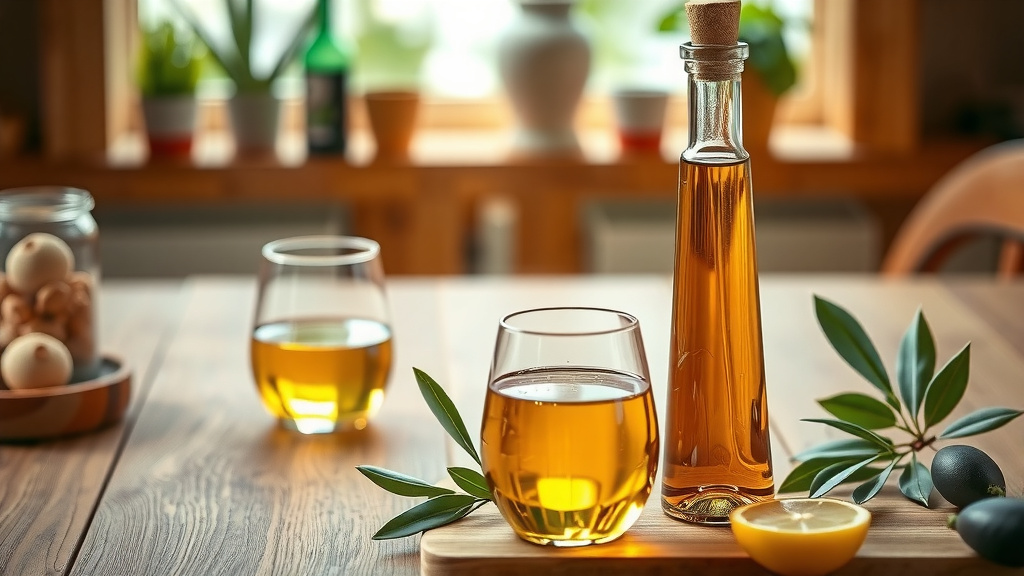
Understanding the Types of Olive Oil
Not all olive oils are created equal when it comes to health benefits. The processing method makes a difference.
Extra Virgin Olive Oil (EVOO)
This is generally considered the highest quality olive oil. It’s made from the first pressing of olives and is not treated with heat or chemicals. Because of this minimal processing, EVOO retains the most nutrients and antioxidants.
When you’re looking for the maximum health benefits, choosing extra virgin olive oil is key. It contains higher levels of beneficial compounds compared to refined olive oils.
Other Olive Oils
Regular olive oil, pure olive oil, or light olive oil have undergone more processing. This can strip away some of the beneficial compounds. While they still contain healthy fats, they may not offer the same level of antioxidant and anti-inflammatory benefits as EVOO.
Incorporating Olive Oil into Your Diet
Adding olive oil to your daily intake doesn’t have to be complicated. Here are a few simple ways:
- Drizzle it over salads or roasted vegetables.
- Use it as a dip for whole-grain bread.
- Stir a tablespoon into your morning smoothie.
- Add a splash to soups or stews after cooking.
- Mix it with lemon juice and herbs for a simple dressing.
A Quick Checklist for Olive Oil Benefits
Here’s a quick recap of how drinking olive oil can support your body:
- Supports a healthy heart by managing cholesterol.
- Helps reduce inflammation with its antioxidant content.
- Aids in smoother digestion and regularity.
- Protects your stomach lining from certain issues.
- Boosts the absorption of essential vitamins.
- Contributes to healthier, more hydrated skin.
Conclusion
You’ve learned how drinking olive oil can be a fantastic addition to your wellness routine. It’s more than just a cooking ingredient; it’s a natural way to support your heart health by managing cholesterol and fighting inflammation. Plus, it can help with smoother digestion and even give your skin a healthier glow. By choosing extra virgin olive oil, you’re maximizing these wonderful benefits.
Ready to feel the difference? Start by adding a small amount of extra virgin olive oil to your meals today and see how your body responds.
Frequently Asked Questions
How much olive oil should I drink daily?
Most experts suggest starting with one to two tablespoons of extra virgin olive oil per day. This amount is generally considered safe and effective for experiencing its health benefits without any digestive upset.
Can drinking olive oil help with weight loss?
Olive oil is a healthy fat that can help you feel full longer, potentially reducing overall calorie intake. While it’s not a magic bullet for weight loss, incorporating it into a balanced diet can support your goals.
What’s the best time of day to drink olive oil?
There’s no strict rule, but many people find it easiest to consume olive oil in the morning on an empty stomach. Others prefer to add it to their salads or meals throughout the day.
Are there any side effects to drinking olive oil?
For most people, drinking olive oil in moderation has no negative side effects. However, consuming too much might cause digestive discomfort like bloating or diarrhea for some individuals.
Can I use any type of olive oil?
Extra virgin olive oil (EVOO) is recommended because it retains the most beneficial antioxidants and compounds. Refined olive oils have undergone more processing, which can reduce their health-promoting properties.

![7 Best Extra Virgin Olive Oil High In Polyphenols [2026]](https://bestpureessentialoils.com/wp-content/uploads/2026/08/7-best-extra-virgin-olive-oil-high-in-polyphenols-2026-featured-768x432.jpg)