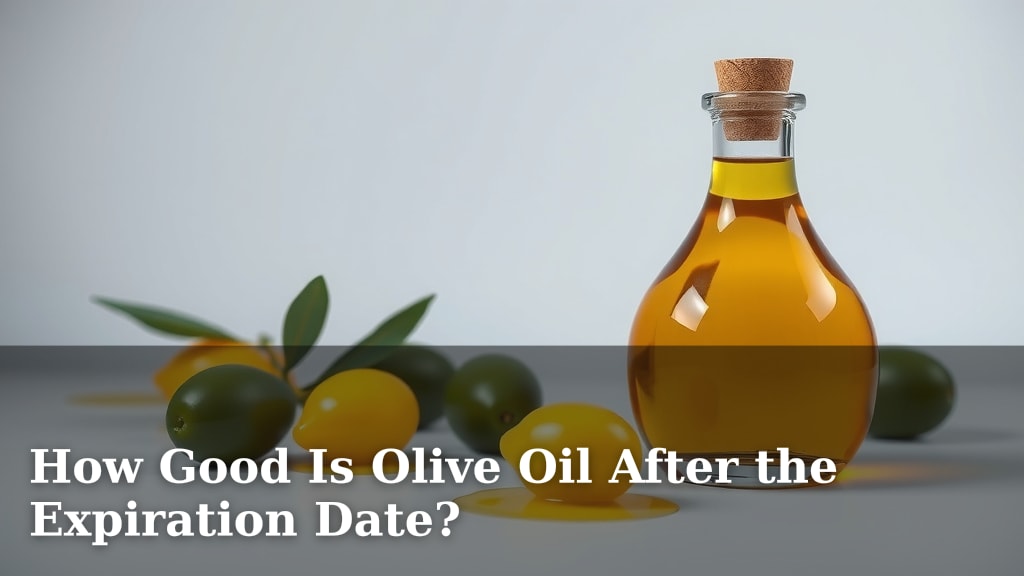
How Good Is Olive Oil After the Expiration Date?
Yes, you can generally still use olive oil after its expiration date, but its quality and flavor will be lower. While it won’t likely make you sick, it loses its beneficial antioxidants and can develop a rancid taste. Think of it like bread: still edible, but not as fresh or delicious.
Many people wonder if expired olive oil is still good for cooking or other uses. We found that the main concern isn’t safety, but rather the degradation of its health benefits and sensory qualities. Exposure to light, heat, and air all contribute to this process over time, impacting both its taste and its potential health perks.
- Olive oil doesn’t truly “spoil” in a dangerous way after its date.
- It loses flavor and can taste rancid over time.
- You might miss out on its antioxidants when it’s old.
- Best used for non-culinary purposes if past its prime.
Let’s dive deeper into what happens to olive oil as it ages and how you can tell if yours is past its best.
Using Olive Oil Past Its Best-By Date: What You Need to Know
You’ve probably got a bottle of olive oil hanging out in your pantry. Maybe it’s been there a while. You might be wondering, “Is it still okay to use?” That’s a fair question! We’ve all been there, peering at a date on a bottle and feeling a little unsure.
The good news is, olive oil doesn’t typically become unsafe to eat after its expiration date. Think of it more like milk or yogurt – it’s not going to cause food poisoning. However, its quality does change over time. It’s all about how well it holds up and what you plan to do with it.
What Happens to Olive Oil Over Time?
Olive oil is essentially a fruit juice. And just like any juice, it can degrade. Several factors contribute to this. The main culprits are exposure to light, heat, and air. These elements can cause the oil to oxidize. Oxidation is a chemical process that changes the oil’s composition.
When olive oil oxidizes, its flavor and aroma suffer. It can start to smell and taste a bit like crayons or stale nuts. This is often what people refer to as “rancid.” While not pleasant, it’s not harmful. It just means the oil isn’t as fresh or vibrant as it once was.
The Role of Antioxidants
Olive oil is praised for its health benefits, partly due to its natural antioxidants. These compounds help protect your body from damage. As olive oil ages and oxidizes, these antioxidants start to break down. So, an older bottle might offer fewer of those wonderful health perks.
We found that the health benefits decrease with age. While you’ll still get some good fats, the potent antioxidant punch fades. It’s like a battery that slowly loses its charge. You can still use it, but it won’t power things quite as strongly.
Understanding “Best By” vs. “Expiration” Dates
It’s important to note that most bottles of olive oil have a “best by” or “best if used by” date. This is a quality indicator, not a safety deadline. Manufacturers suggest this date for optimal flavor and quality. After this date, the oil is still generally considered safe but may not taste its best.
Unlike some other food products, olive oil doesn’t have a strict expiration date that signals it’s unsafe. It’s more about when the flavor profile starts to decline. So, don’t panic if your bottle is a little past that printed date.
How to Tell If Your Olive Oil Has Gone Bad
Your senses are your best tools here. Just like you’d sniff milk before drinking it, you can do the same with olive oil. Does it smell off? Does it look cloudy or have particles floating in it? These are signs it might be time to let it go.
Here’s a quick rundown of what to look for:
- Smell: Fresh olive oil has a fruity, sometimes peppery aroma. Rancid oil smells dull, like stale nuts, wax, or even putty.
- Taste: A tiny sip can tell you a lot. If it tastes sharp, bitter, or just plain unpleasant, it’s likely past its prime.
- Appearance: While some sediment is normal, a very cloudy appearance or visible mold could mean it’s gone bad.
The Rancidity Test
We found that a simple smell test is usually the most effective. Pour a little oil into a spoon and wave it under your nose. If the smell is unpleasant, it’s a strong indicator of rancidity. You can also taste a small amount. If it tastes harsh or bitter, it’s time for a new bottle.
Think of it like old perfume. It might still smell like perfume, but it’s lost its sparkle and some of its notes. Olive oil is similar; the nuances are what you lose first.
What Can You Still Use Expired Olive Oil For?
Even if your olive oil isn’t top-notch for drizzling on a salad, it can still be useful. If it’s only slightly past its prime, it might still be okay for cooking at higher temperatures where the flavor won’t be as noticeable. However, for best results, consider using it for other purposes.
Here are some ideas for olive oil that’s a bit older:
- Lubricating: Use it to quiet squeaky hinges on doors or gates. It’s a natural lubricant that works quite well.
- Polishing: It can add a nice shine to stainless steel appliances or wooden furniture. Just use a small amount on a cloth.
- Leather Care: A little bit can help condition and shine leather shoes or bags.
- Gardening Tools: Wipe down your gardening tools to prevent rust and keep them in good condition.
- Art Projects: If you’re into crafts, it can be used as a medium or a conditioner for certain materials.
When It’s Best to Say Goodbye
If the oil has a strong, unpleasant smell, a visibly strange appearance, or tastes truly awful, it’s best to discard it. There’s no need to keep something around that’s unpleasant to use. Your taste buds (and your kitchen) will thank you.
We found that most experts agree: when in doubt, throw it out. It’s not worth risking the flavor of your carefully prepared meals for a bottle of oil that’s gone off.
Storing Your Olive Oil Properly to Maximize Freshness
Want to keep your new bottle of olive oil tasting great for as long as possible? Proper storage is key! The enemies of olive oil are light, heat, and air. Keeping these at bay will help preserve its quality.
Here’s what we recommend:
- Cool, Dark Place: Store your olive oil in a pantry or cupboard away from direct sunlight and heat sources like the stove.
- Airtight Seal: Always ensure the cap is screwed on tightly after each use. This minimizes exposure to air.
- Original Container: Most olive oil comes in dark glass bottles or tins for a reason. These protect it from light.
- Avoid the Fridge (Usually): While refrigeration can slow oxidation, it can cause the oil to solidify and potentially affect its flavor and texture. Stick to a cool, dark cabinet.
Following these simple steps can help your olive oil stay fresher and tastier for longer, even if it takes you a while to get through the bottle.
Conclusion
So, can you use olive oil past its expiration date? The short answer is yes, but with caveats. We’ve learned that while it’s unlikely to become unsafe, its flavor and aroma will degrade over time. The beneficial antioxidants also diminish, meaning you might miss out on some health perks. For cooking where flavor is key, it’s best to use fresh oil. But don’t toss that older bottle just yet – it can still serve you well for household tasks. Your best bet is to always trust your senses to check for rancidity and store your oil properly to enjoy it for as long as possible.
Frequently Asked Questions
Is it safe to cook with olive oil after the expiration date?
Generally, yes, it is safe to cook with olive oil past its best-by date. The oil won’t typically turn harmful or cause illness. However, the flavor and aroma will be less pleasant. You might notice a dull or even bitter taste, which isn’t ideal for your dishes.
What does rancid olive oil smell like?
Rancid olive oil loses its fresh, fruity aroma. Instead, you’ll likely detect a smell that’s dull, waxy, or even like stale nuts or crayons. Some people describe it as smelling like putty. If you catch this scent, it’s a good sign the oil is past its prime for culinary use.
Can expired olive oil still be healthy?
While olive oil contains healthy fats, its beneficial antioxidants break down over time. An expired bottle will offer fewer of these protective compounds compared to fresh oil. You’ll still get some healthy fats, but the full antioxidant punch will be diminished.
How long does olive oil last after opening?
Once opened, olive oil is best used within 18 to 24 months. Storage conditions play a big role. Keeping it in a cool, dark place with the cap tightly sealed helps preserve its quality. Exposure to light, heat, and air accelerates degradation.
What’s the difference between “best by” and “expiration” dates on olive oil?
“Best by” dates are quality indicators, suggesting peak flavor and freshness. They are not safety deadlines. Olive oil doesn’t typically have a strict “expiration” date that signals spoilage. After the “best by” date, the oil is usually still fine, just not at its absolute best.

![7 Best Extra Virgin Olive Oil From California [2026]](https://bestpureessentialoils.com/wp-content/uploads/2026/08/7-best-extra-virgin-olive-oil-from-california-2026-featured-768x432.jpg)