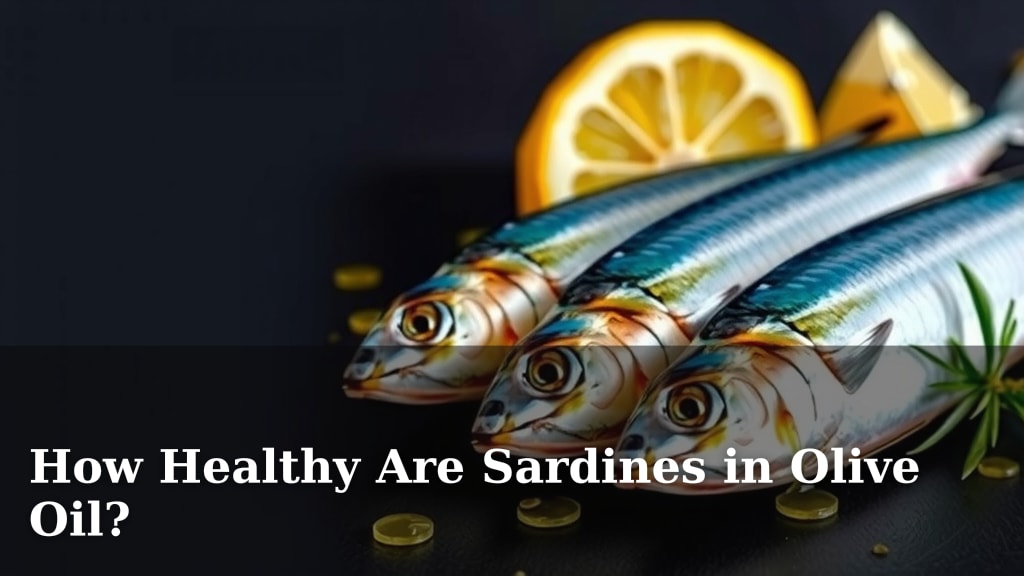
How Healthy Are Sardines in Olive Oil?
Yes, sardines packed in olive oil are generally very healthy and a fantastic source of nutrients. You get great amounts of omega-3 fatty acids, protein, and calcium, all from a small, affordable fish. They’re a super convenient way to boost your diet.
When you choose sardines in olive oil, you’re not just getting the benefits of the fish itself. The olive oil also adds healthy monounsaturated fats. This combination makes them a smart choice for heart health and overall well-being. We found that they are a nutrient-dense powerhouse.
- Sardines in olive oil are highly nutritious.
- They offer omega-3s, protein, and calcium.
- Olive oil adds healthy monounsaturated fats.
- They are a budget-friendly way to eat well.
Ready to dive deeper into why these little fish deserve a spot on your plate? Let’s take a closer look at all the good stuff packed inside those tins.
Unpacking the Nutritional Power of Sardines in Olive Oil
So, are sardines packed in olive oil good for you? The short answer is a resounding yes! These little fish are nutritional powerhouses. They offer a wide array of vitamins, minerals, and healthy fats. You’re getting a lot of goodness in a tiny package. We found that they are an excellent addition to almost any diet.
The Omega-3 Fatty Acid Advantage
One of the biggest benefits of sardines is their omega-3 fatty acid content. These are essential fats your body can’t make on its own. They’re known for their heart-healthy properties. Research links omega-3s to reduced inflammation and a lower risk of heart disease (CDC). Think of them as tiny bodyguards for your heart. You get a good dose of both EPA and DHA. These are the most beneficial types of omega-3s.
Protein Powerhouse for Muscle and Fullness
Sardines are also an excellent source of lean protein. Protein is vital for building and repairing tissues. It also helps you feel full and satisfied after eating. This can be super helpful if you’re managing your weight. A single tin can provide a substantial portion of your daily protein needs. You don’t need a huge serving to get this benefit. It makes them a great snack or light meal option.
Calcium for Strong Bones
Did you know you can get calcium from sardines? That’s right! When you eat sardines with their edible bones, you get a fantastic amount of calcium. This mineral is essential for keeping your bones and teeth strong. It’s especially important as you age. Many people struggle to get enough calcium in their diet. Sardines offer a delicious and easy way to boost your intake. You’re essentially getting two nutrients in one bite!
Vitamins and Minerals You Might Not Expect
Beyond the star players like omega-3s, protein, and calcium, sardines offer other key nutrients. You’ll find good amounts of vitamin D, which works with calcium for bone health. They also provide vitamin B12, essential for nerve function and red blood cell formation. Plus, they contain minerals like phosphorus, selenium, and iodine. Selenium, for instance, acts as an antioxidant. It helps protect your cells from damage (NIH). It’s like a multivitamin, but in a tasty fish form.
Why Olive Oil Matters: More Than Just a Bath
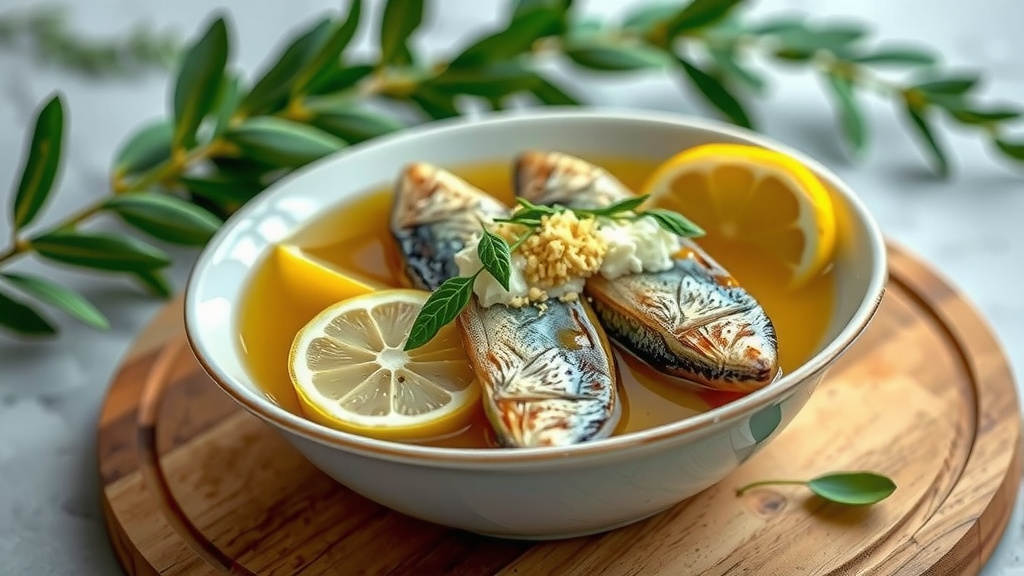
The fact that sardines are packed in olive oil adds another layer of health benefits. It’s not just about keeping the fish moist. Olive oil itself is celebrated for its health properties. We found that this combination is particularly beneficial.
Monounsaturated Fats: The Good Kind
Olive oil is rich in monounsaturated fats. These are considered healthy fats. They can help improve your cholesterol levels. Specifically, they can help lower LDL (“bad”) cholesterol. They can also raise HDL (“good”) cholesterol (Mayo Clinic). This contributes to a healthier cardiovascular system. Choosing sardines in olive oil means you’re getting these benefits too. It’s a win-win situation for your health.
Antioxidants from the Olive Oil
Extra virgin olive oil, often used for packing sardines, contains antioxidants. These compounds, like polyphenols, help fight oxidative stress in your body. Oxidative stress can contribute to chronic diseases. So, the oil itself provides a protective effect. It’s like a little bonus health boost from the packing liquid. Many people even use the oil in their cooking.
| Nutrient | Approximate Amount | % Daily Value (DV) |
|---|---|---|
| Calories | 190-220 | – |
| Protein | 20-25g | 40-50% |
| Total Fat | 10-15g | 13-19% |
| Omega-3 Fatty Acids | 1-2g | – |
| Calcium | 200-300mg | 15-25% |
| Vitamin D | 5-10 mcg | 25-50% |
| Vitamin B12 | 5-10 mcg | 200-400% |
| Sodium | 300-500mg | 13-22% |
Note: Nutritional values can vary slightly by brand and type of sardine. Always check the can’s nutrition label. The Daily Value percentages are based on a 2,000-calorie diet.
Types of Olive Oil and What It Means for You
You’ll often see sardines packed in different types of olive oil. “Extra virgin olive oil” is the highest quality. It’s cold-pressed and retains more nutrients and antioxidants. Other types might include “virgin olive oil” or just “olive oil,” which might be refined. For maximum health benefits, look for sardines packed in extra virgin olive oil. We found that the quality of the oil can make a difference.
Comparing Sardines to Other Canned Fish
How do sardines stack up against other popular canned fish? It’s an interesting comparison. Sardines often come out on top for certain nutrients.
Sardines vs. Tuna
Canned tuna is convenient, but it often contains higher levels of mercury. This is especially true for albacore (“white”) tuna. Sardines are small, short-lived fish. They feed lower on the food chain. This means they accumulate much less mercury. They are considered a low-mercury seafood option (FDA). Sardines also generally offer more calcium and omega-3s than tuna. Tuna is often higher in protein per serving, though.
Sardines vs. Salmon
Canned salmon is another excellent source of omega-3s and vitamin D. It’s often seen as a premium choice. However, sardines are typically more affordable. They also tend to have higher levels of calcium due to the edible bones. Both are great choices, but sardines offer a budget-friendly way to get similar benefits. We found that affordability is a big plus for sardines.
Making Sardines a Regular Part of Your Diet
Now that you know how healthy they are, how can you enjoy them?
- Easy Snack: Eat them straight from the can with crackers.
- Salad Topper: Add them to green salads for extra protein.
- Sandwich Filling: Mash them up for a quick sardine salad sandwich.
- Pasta Dish: Toss them into pasta with garlic and tomatoes.
- On Toast: Serve on whole-wheat toast with a squeeze of lemon.
Don’t be afraid to experiment! The mild, savory flavor of sardines can be quite versatile. You might be surprised at how much you enjoy them. They truly are a simple way to boost your nutritional intake without breaking the bank.
Conclusion
You’ve learned that sardines in olive oil are a nutritional powerhouse. They deliver essential omega-3 fatty acids, protein, and calcium with every bite. The olive oil adds its own healthy fats and antioxidants. This makes them an affordable and smart choice for your heart and overall health. Compared to other canned fish, they often win on mercury levels and cost. So, don’t hesitate to add these tiny fish to your meal rotation. Start by trying them on a salad or with some whole-wheat crackers today!
Frequently Asked Questions
Are sardines in olive oil good for weight loss?
Yes, sardines can be a great addition to a weight loss plan. They are packed with protein, which helps you feel full and satisfied. This can curb cravings and reduce overall calorie intake. The healthy fats also contribute to satiety. Remember to consider portion sizes and what you pair them with.
Can I eat the bones in sardines?
Absolutely! The small, soft bones in canned sardines are meant to be eaten. They are an excellent source of calcium and are completely edible. You won’t even notice them once they’re cooked and canned. Eating the bones significantly boosts the calcium content of your meal.
How much sodium is in sardines in olive oil?
The sodium content can vary by brand, but a typical 3.75 oz can usually contains between 300-500mg of sodium. This is around 13-22% of your daily recommended intake. If you’re watching your sodium intake, look for “low sodium” options or rinse the sardines before eating them.
What’s the difference between sardines in olive oil and water?
Sardines packed in olive oil offer the added benefits of healthy monounsaturated fats and antioxidants from the oil. Sardines packed in water have fewer calories and fat. Both are healthy choices, but olive oil enhances the nutritional profile and flavor.
How often should I eat sardines in olive oil?
Aiming to eat sardines in olive oil a couple of times a week can be beneficial. This frequency allows you to consistently get the omega-3s, protein, and calcium they offer. However, listen to your body and enjoy them as part of a varied and balanced diet.

![7 Best Italian Olive Oil Gift Set [2026]](https://bestpureessentialoils.com/wp-content/uploads/2026/08/7-best-italian-olive-oil-gift-set-2026-featured-768x432.jpg)

![7 Best Ceramic Olive Oil Dispenser [2026]](https://bestpureessentialoils.com/wp-content/uploads/2026/06/7-best-ceramic-olive-oil-dispenser-2026-featured-768x432.jpg)