How Healthy Is Olive Oil for You?
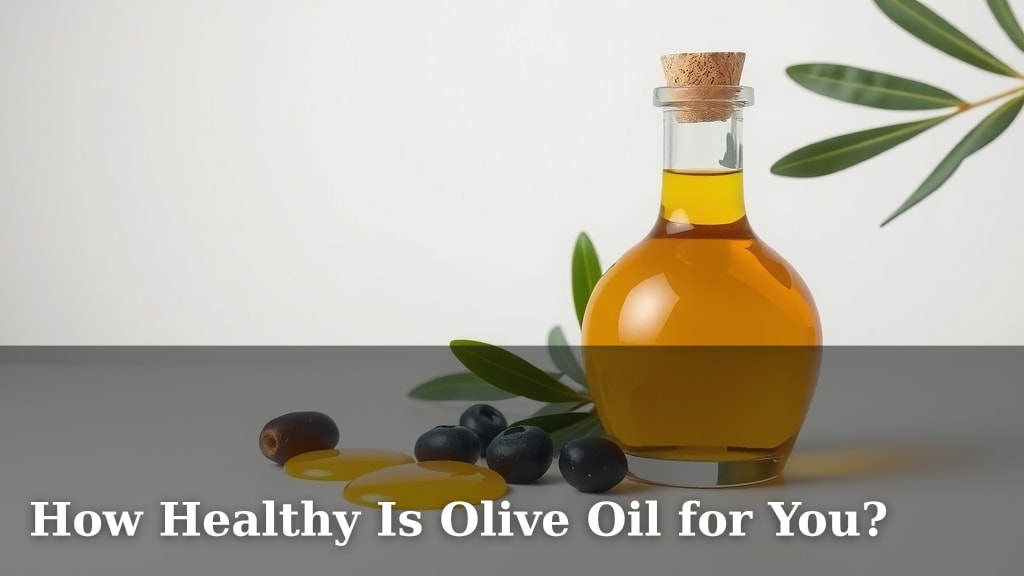
Yes, olive oil is very healthy for you, especially extra virgin varieties. It’s packed with healthy fats and antioxidants. Many studies show it can help protect your heart and reduce inflammation. You can feel good about using it in your cooking and as a dressing.
Olive oil has been a dietary staple for centuries. Its unique fatty acid profile is a big reason for its health benefits. Research points to it being a key component of the Mediterranean diet. This diet is often linked to longevity and lower rates of chronic diseases.
- Olive oil is healthy, especially extra virgin.
- It’s rich in good fats and antioxidants.
- It may help protect your heart.
- It can also reduce inflammation.
- It’s a key part of the Mediterranean diet.
Ready to learn more about why this kitchen staple is so good for your well-being? Let’s dive into the science and practical tips for enjoying olive oil.
Exploring the Health Benefits of Olive Oil
You might be wondering just how healthy olive oil really is. The good news is that it’s widely considered one of the healthiest cooking oils available. Especially when you choose extra virgin olive oil, you’re getting a potent package of nutrients.
It’s not just about taste; olive oil is packed with beneficial compounds. These include monounsaturated fats and powerful antioxidants. Research shows that making olive oil a regular part of your diet can lead to impressive health improvements. Let’s break down what makes it so good for you.
The Power of Healthy Fats: Monounsaturated Goodness
What makes olive oil stand out? Its fat profile is a big part of the story. About 73% of olive oil is monounsaturated fat, primarily oleic acid. This is a type of fat that’s very good for your heart.
Unlike saturated or trans fats, monounsaturated fats can help lower bad cholesterol (LDL). They can also help raise good cholesterol (HDL). This balance is key to maintaining a healthy cardiovascular system. Think of it like this: you want to keep your arteries clear and flowing smoothly, and oleic acid helps with that.
Antioxidants: Your Body’s Little Helpers
Beyond its fats, olive oil is loaded with antioxidants. These are compounds that fight off harmful free radicals in your body. Free radicals can cause cell damage and contribute to aging and disease. Olive oil contains several types of antioxidants, including Vitamin E and polyphenols.
Polyphenols: Tiny Warriors in Your Bottle
Polyphenols are particularly noteworthy. These plant compounds give olive oil its bitter and peppery taste. They are powerful anti-inflammatories. They also have antioxidant properties that protect your cells. Studies have found that the higher the quality of the olive oil, the more polyphenols it contains (Harvard T.H. Chan School of Public Health).
These polyphenols are believed to contribute to many of olive oil’s health benefits. They help reduce inflammation throughout the body. This is important because chronic inflammation is linked to many serious health issues.
Heart Health: A Closer Look
Olive oil is a champion for your heart. Its monounsaturated fats and antioxidants work together to keep your cardiovascular system in top shape. Regular consumption has been linked to a lower risk of heart disease.
How does it achieve this? By improving several key markers of heart health. It helps lower blood pressure, reduces the risk of blood clots, and improves the function of your blood vessels. It’s a key component of the Mediterranean diet, which is famous for its heart-healthy benefits.
Lowering Bad Cholesterol
One of the most significant benefits is its effect on cholesterol levels. Olive oil can help reduce LDL cholesterol, which is often called “bad” cholesterol. High LDL levels can lead to plaque buildup in your arteries.
At the same time, it can help maintain or even increase HDL cholesterol, the “good” cholesterol. HDL cholesterol helps remove LDL cholesterol from your arteries. This dual action makes olive oil a heart-smart choice.
Reducing Inflammation
Chronic inflammation is a silent enemy. It plays a role in conditions like heart disease, arthritis, and even some cancers. Olive oil, especially extra virgin, has strong anti-inflammatory properties.
The oleocanthal compound in olive oil acts similarly to ibuprofen, an anti-inflammatory drug. This means it can help calm down inflammation in your body. Regular intake can be a delicious way to support your body’s defense against inflammation (NCBI).
Other Potential Health Perks
The benefits of olive oil don’t stop at your heart. Research suggests it may help in other areas too.
- Brain Health: Some studies suggest that the healthy fats and antioxidants in olive oil may protect against cognitive decline and neurodegenerative diseases like Alzheimer’s.
- Blood Sugar Control: It might help improve insulin sensitivity, which is important for managing blood sugar levels and reducing the risk of type 2 diabetes.
- Gut Health: The polyphenols in olive oil can positively influence the gut microbiome, promoting the growth of beneficial bacteria.
- Cancer Prevention: While more research is needed, some studies indicate that compounds in olive oil might have protective effects against certain types of cancer.
Choosing and Using Olive Oil Wisely
Not all olive oils are created equal. For maximum health benefits, you’ll want to reach for extra virgin olive oil (EVOO). This type is produced using natural methods without heat or chemicals. This preserves its nutrients and antioxidants.
Look for dark glass bottles, as light can degrade the oil. Also, check for a harvest date; fresher is usually better. Store your olive oil in a cool, dark place.
| Type of Olive Oil | Processing | Fat Profile | Key Benefits |
|---|---|---|---|
| Extra Virgin Olive Oil (EVOO) | Cold-pressed, no chemicals or heat | High monounsaturated fats, antioxidants (polyphenols) | Best for heart health, anti-inflammatory, nutrient-rich |
| Virgin Olive Oil | Cold-pressed, but slightly lower quality than EVOO | High monounsaturated fats, fewer antioxidants than EVOO | Good health benefits, but less potent than EVOO |
| Pure/Regular Olive Oil | Refined, blended with virgin olive oil | Mostly monounsaturated fats, very few antioxidants | Less beneficial, suitable for high-heat cooking |
| Light Olive Oil | Highly refined, blended | Mostly monounsaturated fats, minimal antioxidants, neutral flavor | No significant health benefits associated with the oil itself |
When it comes to cooking, EVOO is wonderful for salad dressings, drizzling over finished dishes, and sautéing at medium heat. For higher heat cooking, a less delicate olive oil or another oil might be more appropriate, as high heat can degrade some of the beneficial compounds in EVOO.
Making Olive Oil Part of Your Healthy Lifestyle
So, how can you easily incorporate more olive oil into your diet? Here are a few ideas to get you started:
- Use it as a base for salad dressings.
- Drizzle it over steamed vegetables or roasted meats.
- Dip your whole-grain bread into a small bowl of quality EVOO.
- Sauté your favorite vegetables in it.
- Add a spoonful to soups or stews for extra flavor and richness.
Making small changes can add up. By choosing olive oil, especially extra virgin, you’re making a delicious choice that supports your overall health and well-being.
Conclusion
You’ve seen how olive oil, especially extra virgin, offers a delicious way to boost your health. Its healthy fats and antioxidants support your heart and fight inflammation. The Mediterranean diet highlights its importance for longevity and well-being. By choosing quality olive oil and using it wisely in your cooking, you’re making a smart move for your health. Start by adding a drizzle to your salads or steamed veggies today to enjoy these wonderful benefits.
Frequently Asked Questions
Is extra virgin olive oil the only healthy kind?
Extra virgin olive oil (EVOO) is generally considered the healthiest due to its minimal processing, which preserves the most nutrients and antioxidants. While other types of olive oil still contain healthy monounsaturated fats, they often have fewer beneficial compounds like polyphenols.
How much olive oil should I use daily for health benefits?
Most experts suggest aiming for about 1-2 tablespoons of olive oil per day. This amount is often found in the context of the Mediterranean diet and is enough to contribute to heart health and reduce inflammation without adding excessive calories.
Can I cook with extra virgin olive oil at high temperatures?
EVOO has a smoke point of around 375-400°F (190-205°C), making it suitable for most everyday cooking like sautéing and baking. However, for very high-heat searing, a different oil might be more stable as extreme heat can degrade some of its beneficial compounds.
Does the color of olive oil indicate its quality or health benefits?
The color of olive oil can vary from green to golden yellow, depending on the olives used and ripeness at harvest. Color alone is not a reliable indicator of quality or health benefits; taste, aroma, and a reputable source are more important factors.
Can olive oil help with weight loss?
Olive oil can be part of a weight loss plan because its healthy fats promote satiety, helping you feel full longer. However, it is calorie-dense, so portion control is still important. Replacing less healthy fats with olive oil can support overall health goals.


![7 Best Garlic Olive Oil Pasta Sauce [2026]](https://bestpureessentialoils.com/wp-content/uploads/2026/08/7-best-garlic-olive-oil-pasta-sauce-2026-featured-768x432.jpg)