
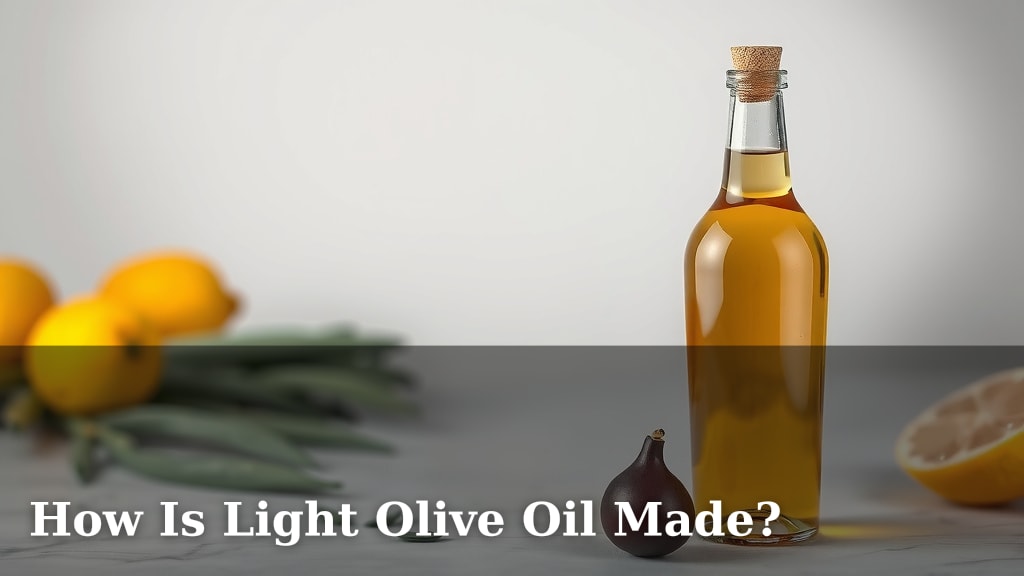
How Is Light Olive Oil Made?
Light olive oil is made by taking regular extra virgin olive oil and then using heat and chemical processes to remove impurities and improve its color and flavor. This results in an oil that is lighter in both taste and hue compared to its unrefined counterpart. You’ll notice it has a more neutral flavor profile, making it great for a variety of cooking needs.
The key difference lies in the processing. While extra virgin olive oil is extracted through simple mechanical means, light olive oil undergoes further refinement. This treatment strips away much of the natural character of the olive, leading to a milder taste and a paler appearance. It’s a popular choice for those who want the benefits of olive oil without a strong olive flavor.
- Light olive oil is refined extra virgin olive oil.
- Heat and chemicals are used in its production.
- It has a milder flavor and lighter color.
- This makes it suitable for many cooking styles.
So, how exactly does this refinement process work and what does it mean for your kitchen? Let’s break down how light olive oil gets its signature characteristics.
The Process Behind Light Olive Oil Production
You might be wondering how regular olive oil transforms into the lighter version you see on shelves. The journey involves a bit more than just squeezing olives. Light olive oil starts its life as regular, high-quality olive oil, often extra virgin. Then, it undergoes a series of treatments to purify it further.
Refining Extra Virgin Olive Oil
Think of the refining process like giving the oil a spa day. It’s designed to strip away certain compounds that give olive oil its characteristic strong flavor and color. This makes the oil more neutral and pale. Many experts agree that this refinement can make olive oil more versatile for cooking. Research has shown that these treatments can remove certain free fatty acids and other compounds that contribute to a more robust taste (NCBI).
Mechanical Extraction First
Before any refining happens, the olives are pressed. This is the initial step, much like how regular olive oil is made. Healthy olives are washed and ground into a paste. Then, this paste is pressed or centrifuged to separate the oil from the water and solid matter. This yields a pure olive oil, which then becomes the base for the light version.
The Refining Stages
After the initial extraction, the oil moves into the refining stages. These steps are carefully controlled. They aim to achieve a specific outcome: a milder, lighter oil.
Degumming
The first step in refining is often degumming. This process removes phospholipids and other gummy substances. These can affect the oil’s clarity and stability. Hot water or acid is typically used here. It helps to separate these impurities from the oil.
Neutralization
Next comes neutralization. Here, the oil is treated with an alkali solution. This step removes free fatty acids. Free fatty acids can give olive oil a sour or rancid taste. Removing them leads to a milder flavor profile. This is a common practice in refining many types of edible oils.
Bleaching
After neutralization, the oil is bleached. This is where the color is lightened. Activated carbon or bleaching earth is used. These agents absorb pigments like chlorophyll. This gives the oil its pale, straw-like color. You’ll notice a significant difference in hue after this stage.
Deodorization
The final major step is deodorization. This is done using steam under vacuum at high temperatures. It removes volatile compounds. These compounds are responsible for strong odors and flavors. This is what gives light olive oil its neutral scent and taste. It makes the oil suitable for baking and frying without imparting an olive flavor.
What These Processes Mean for You
So, what does all this processing mean for your kitchen? It means you get an oil that’s incredibly flexible. You can use it in ways you might not use a strong extra virgin olive oil. Think about delicate baked goods or when you want other flavors to shine. Light olive oil lets them do just that.
Flavor Profile Comparison
When you compare it to extra virgin olive oil, the difference is striking. Extra virgin olive oil can have fruity, peppery, or grassy notes. Light olive oil is much more subdued. It’s virtually flavorless. This neutrality is its biggest strength for certain culinary applications. It won’t compete with your ingredients.
Smoke Point and Cooking
An interesting point is that the refining process often increases the smoke point. This means light olive oil can withstand higher temperatures before it starts to smoke and burn. This makes it a reliable choice for high-heat cooking methods like sautéing, roasting, and even some deep-frying. Always check the specific smoke point for the brand you are using, as it can vary slightly.
Light Olive Oil in Your Kitchen: A Quick Checklist
Ready to incorporate light olive oil into your cooking routine? Here’s a quick guide:
- Use it for baking cakes and cookies where you don’t want an olive flavor.
- Great for frying eggs or sautéing vegetables.
- Perfect for making homemade mayonnaise or salad dressings.
- Ideal when you want the oil to be a neutral medium for other flavors.
- Consider it for popcorn or as a base for marinades.
| Characteristic | Extra Virgin Olive Oil | Light Olive Oil |
|---|---|---|
| Flavor | Robust, fruity, peppery | Neutral, mild |
| Color | Deep green to golden yellow | Pale yellow |
| Processing | Mechanical, cold-pressed | Refined, bleached, deodorized |
| Smoke Point | Moderate (325-375°F) | Higher (around 400-450°F) |
| Best Uses | Dressing, finishing, dipping | Baking, sautéing, frying |
Conclusion
You’ve learned that light olive oil is essentially a refined version of regular olive oil. The process involves mechanical extraction followed by treatments like degumming, neutralization, bleaching, and deodorization. These steps create an oil with a mild flavor, pale color, and a higher smoke point.
This makes it incredibly versatile for baking, sautéing, and frying without imparting a strong olive taste. Consider keeping a bottle of light olive oil on hand for all your high-heat cooking and baking needs where a neutral flavor is desired. Try it in your next batch of cookies or for perfectly crisp roasted vegetables!
Frequently Asked Questions
Is light olive oil healthy?
Research indicates that light olive oil retains many of the beneficial monounsaturated fats found in regular olive oil. While some antioxidants might be reduced during the refining process, it’s still considered a healthier fat option compared to many other refined oils for everyday cooking.
Can I use light olive oil for salad dressing?
While you certainly can, extra virgin olive oil is generally preferred for salad dressings due to its more robust flavor profile. Light olive oil’s neutral taste means it won’t add the characteristic olive notes, making it better suited when you want other dressing ingredients to shine.
How is light olive oil different from pure olive oil?
Pure olive oil, often labeled simply “olive oil” or “classic olive oil,” is typically a blend of refined olive oil and some virgin olive oil. Light olive oil is usually more heavily refined, resulting in an even milder flavor and lighter color than pure olive oil.
Does the refining process remove all beneficial compounds?
The refining process does reduce some of the beneficial compounds, particularly polyphenols, which contribute to the flavor and antioxidant properties of extra virgin olive oil. However, light olive oil still contains monounsaturated fats, which are heart-healthy.
Is light olive oil suitable for deep frying?
Yes, light olive oil is an excellent choice for deep frying. Its higher smoke point, a result of the refining process, means it can withstand higher temperatures without breaking down or burning, making it a stable option for frying foods.

![7 Best Moroccan Olive Oil [2026]](https://bestpureessentialoils.com/wp-content/uploads/2026/09/7-best-moroccan-olive-oil-2026-featured-768x432.jpg)

![7 Best Extra Virgin Olive Oil Uk [2026]](https://bestpureessentialoils.com/wp-content/uploads/2026/08/7-best-extra-virgin-olive-oil-uk-2026-featured-768x432.jpg)