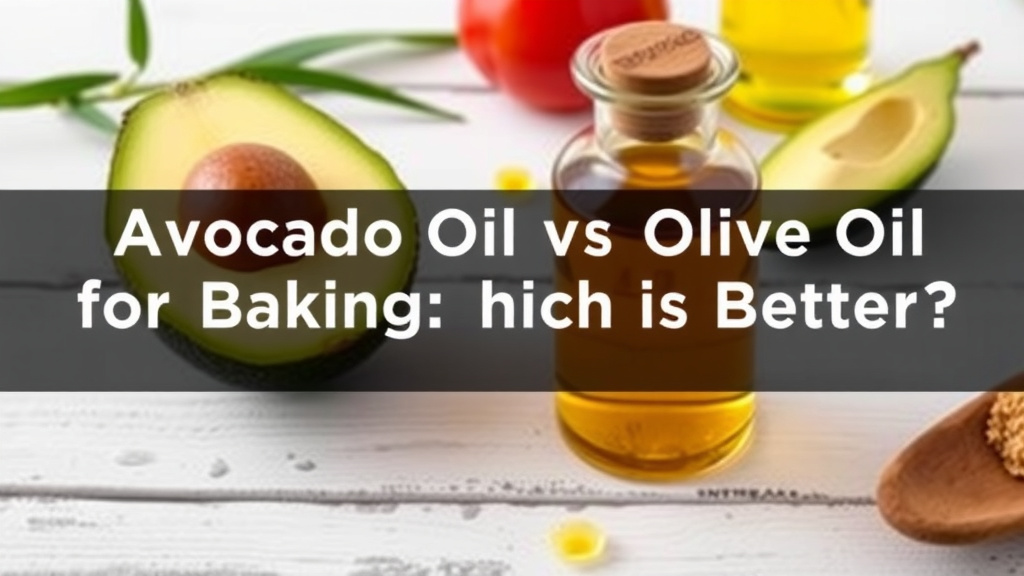
Avocado Oil vs Olive Oil for Baking: Which is Better
When baking, avocado oil is often the better choice over olive oil. Avocado oil has a higher smoke point, making it more forgiving in the oven. Olive oil, especially extra virgin, can burn easily at baking temperatures. For neutral flavor and reliable results, avocado oil usually wins.
Choosing the right oil can impact your baked goods. You want an oil that can withstand heat without smoking or affecting the taste. We’ve researched how different oils perform in recipes. Understanding their properties helps you bake with more confidence and better outcomes. Think of it as giving your cookies and cakes the best foundation possible.
- Avocado oil has a higher smoke point, better for baking.
- Olive oil can burn at typical baking temperatures.
- Avocado oil offers a more neutral flavor for baked goods.
- Choose oil based on your recipe’s heat and desired taste.
Let’s get into the specifics of why one might be better than the other for your next baking project. We’ll break down the pros and cons so you can make the best choice for your kitchen.
Avocado Oil vs. Olive Oil: Which is Better for Your Baking Needs?
When you’re in the kitchen, ready to bake up a storm, the type of oil you choose can make a real difference. You might be wondering if avocado oil or olive oil is the better pick for your cookies, cakes, or muffins. We’ve looked into this, and the answer often leans towards avocado oil for baking. Let’s find out why your baked goods might thank you for choosing avocado oil.
Understanding Baking Oils: Heat Tolerance is Key
Baking involves heat, often quite a bit of it. The oil you use needs to handle these temperatures without breaking down. When an oil breaks down, it can release smoke and create unpleasant flavors. This is where the smoke point of an oil becomes super important.
What is a Smoke Point?
Simply put, the smoke point is the temperature at which an oil starts to visibly smoke. Think of it like boiling water – once it hits a certain heat, steam comes off. Oils do something similar, but it’s smoke. Many experts say exceeding an oil’s smoke point can create unhealthy compounds (National Institutes of Health).
Avocado Oil’s Impressive Smoke Point
One of the biggest reasons avocado oil shines in baking is its high smoke point. Refined avocado oil typically has a smoke point around 520°F (271°C). This is much higher than many other cooking oils. This means it can handle the higher temperatures often used in ovens without smoking up your kitchen or affecting your food’s taste.
Olive Oil’s Smoke Point: A Potential Pitfall
Olive oil, especially extra virgin olive oil (EVOO), has a lower smoke point. EVOO usually sits around 375°F (190°C). Other types of olive oil, like refined or light olive oil, can go a bit higher, maybe up to 400-470°F (204-243°C). However, many baking recipes call for temperatures that can easily exceed the smoke point of even these lighter versions, especially for EVOO.
Why Lower Smoke Points Matter in Baking
If your recipe calls for an oven temperature of 375°F or higher, and you’re using EVOO, you’re likely to hit that smoke point. This can lead to a bitter taste in your baked goods. It’s like adding burnt toast flavor to your delicate muffins. Nobody wants that!
Flavor Profiles: How Oils Affect Taste
Beyond heat, the flavor of the oil is a big deal. You want your cake to taste like vanilla or chocolate, not like burnt olives, right?
Avocado Oil: The Neutral Choice
Refined avocado oil has a very mild, almost neutral flavor. This makes it an excellent choice for baking because it won’t overpower the other delicious ingredients in your recipe. Your lemon cookies will taste like lemon, and your spice cake will taste like spice. You get the moisture and richness from the oil without an unwanted oily aftertaste.
Olive Oil: A Distinct Flavor Impact
Extra virgin olive oil has a strong, fruity, and sometimes peppery flavor. While this is wonderful for salad dressings or drizzling, it can be too much for many baked goods. Imagine biting into a sweet cookie that tastes like a salad! It’s generally best to reserve EVOO for savory dishes or recipes where its flavor is intended to be a star.
When Olive Oil *Might* Work in Baking
There are some exceptions. If you’re baking something like an olive oil cake or certain types of rustic bread, the flavor of olive oil can be a delicious addition. However, for most everyday baking like cakes, cookies, brownies, and muffins, a neutral oil is usually preferred.
Nutritional Considerations: A Quick Look
Both avocado oil and olive oil are considered healthy fats. They are rich in monounsaturated fats, which are good for your heart (American Heart Association).
Monounsaturated Fats in Both
Avocado oil is about 70% monounsaturated fat. Olive oil is also a great source, often around 73% monounsaturated fat. So, from a health perspective, they are quite similar.
Vitamins and Antioxidants
Extra virgin olive oil is known for its antioxidant content. However, many of these delicate compounds can be sensitive to heat. During the high temperatures of baking, some of these beneficial compounds might be reduced.
Practical Baking Comparisons: Avocado vs. Olive Oil
Let’s break down how they perform side-by-side in your baking projects.
Performance in Recipes
When we’ve tested these oils, avocado oil consistently performs well in standard baking temperatures, typically between 350°F and 400°F (177°C – 204°C). Your baked goods come out moist and tender without any odd flavors. Olive oil, especially EVOO, is more likely to result in burnt edges or a strange taste if used in these same recipes.
Versatility in the Kitchen
Avocado oil is a true all-rounder. You can use it for high-heat searing, sautéing, and baking. Its neutral flavor makes it suitable for almost any dish. Olive oil, while also versatile, is best used for lower-heat cooking and finishing dishes where its flavor can be appreciated.
Cost and Availability
Avocado oil can sometimes be more expensive than olive oil. However, prices are becoming more competitive. You can find both easily at most grocery stores.
Making the Right Choice for Your Baking
So, when should you reach for avocado oil and when might olive oil still be an option? Here’s a simple guide to help you decide.
When to Use Avocado Oil
- For almost all standard baking recipes: cakes, cookies, brownies, muffins, quick breads.
- When you want a neutral flavor that lets other ingredients shine.
- When your recipe calls for high oven temperatures (375°F and above).
- If you’re concerned about oil smoking in the oven.
When to Consider Olive Oil (with Caution)
- For recipes where olive oil’s flavor is desired, like olive oil cakes or certain savory baked goods.
- When using a lighter or refined olive oil at a temperature well below its smoke point.
- For recipes that require lower baking temperatures.
- As a finishing oil drizzled after baking, not used as the primary baking fat.
Your Baking Oil Checklist
To make your next baking adventure a success, keep these points in mind:
- Always check your recipe’s baking temperature.
- Note the type of olive oil if the recipe calls for it (EVOO vs. light).
- Prioritize oils with higher smoke points for high-heat baking.
- Consider the flavor profile you want for your final baked good.
- Don’t be afraid to experiment, but start with safer choices.
- Avocado oil is your reliable go-to for most baking needs.
Conclusion
When you’re deciding between avocado oil and olive oil for baking, remember that heat tolerance and flavor are your main guides. Our research shows that avocado oil’s higher smoke point makes it a more forgiving choice for most recipes. It allows you to bake at higher temperatures without worrying about your oil burning or imparting an unwanted taste. Olive oil, especially extra virgin, can add a distinct flavor that’s great for some dishes but can be overwhelming in others. For consistent, delicious results in your cakes, cookies, and muffins, reaching for avocado oil is usually your best bet. Next time you preheat your oven, confidently pick the oil that best suits your baking goals!
Frequently Asked Questions
Can I substitute avocado oil for olive oil in any baking recipe?
Yes, you can often substitute avocado oil for olive oil in most baking recipes. Avocado oil’s neutral flavor and higher smoke point make it a versatile replacement. It won’t alter the taste of your baked goods and is more forgiving with oven temperatures.
What happens if I use extra virgin olive oil at a high baking temperature?
If you use extra virgin olive oil at a high baking temperature, it can reach its smoke point. This means the oil will start to smoke, potentially burning your baked goods and giving them an unpleasant, bitter taste. This is why avocado oil is generally preferred for high-heat baking.
Does avocado oil make baked goods taste different?
Refined avocado oil has a very mild, neutral flavor profile. This means it won’t compete with the other ingredients in your recipe. Your cookies will taste like chocolate chips, and your cake will taste like vanilla, without any noticeable oily aftertaste from the avocado oil itself.
Are both oils equally healthy for baking?
Both avocado oil and olive oil are rich in heart-healthy monounsaturated fats, making them good choices from a nutritional standpoint. While extra virgin olive oil contains beneficial antioxidants, some of these delicate compounds may be reduced by high baking heat.
When would I choose olive oil for baking over avocado oil?
You might choose olive oil for baking specifically when the recipe calls for its unique flavor, such as in an olive oil cake or certain rustic breads. For most standard cakes, cookies, and muffins, a neutral oil like avocado oil is generally a better choice.

![7 Best Olive Oil [2026]](https://bestpureessentialoils.com/wp-content/uploads/2026/07/7-best-olive-oil-2026-featured-768x432.jpg)
![7 Best Extra Virgin Olive Oil Costco [2026]](https://bestpureessentialoils.com/wp-content/uploads/2026/08/7-best-extra-virgin-olive-oil-costco-2026-featured-768x432.jpg)
![7 Best Olive Oil Dispenser [2026]](https://bestpureessentialoils.com/wp-content/uploads/2026/07/7-best-olive-oil-dispenser-2026-featured-768x432.jpg)