

Avocado Oil vs Virgin Olive Oil: Which is Healthier
When choosing between avocado oil and virgin olive oil, avocado oil is often the better choice for high-heat cooking, while virgin olive oil shines in dressings and low-heat applications due to its distinct flavor profile and smoke point. Both are fantastic for your health, but their best uses differ.
You might be wondering which healthy oil should grace your pantry. Both are packed with monounsaturated fats and have unique benefits. We found that understanding their individual properties helps you pick the right one for every dish, from searing to drizzling. It’s not just about health; it’s about flavor and function!
TL;DR:
- Avocado oil has a higher smoke point, great for frying and roasting.
- Virgin olive oil has a robust flavor, perfect for salads and finishing.
- Both offer heart-healthy monounsaturated fats.
- Choose based on your cooking method and desired taste.
Let’s dive into the delicious details of avocado oil versus virgin olive oil and find out which one is your kitchen’s new best friend.
Comparing Cooking Oils: Avocado vs. Virgin Olive
You’ve probably noticed both avocado oil and virgin olive oil are everywhere. They’re celebrated for their health benefits. But when it comes to your kitchen, which one should you reach for? We found that understanding their unique properties can help you make the best choice for any recipe. Let’s break it down.
Understanding Smoke Points: A Key Difference
The smoke point of an oil is super important. It’s the temperature at which the oil starts to burn and break down. When oil smokes, it can produce harmful compounds. It also affects the taste of your food. Higher smoke points are generally better for cooking methods involving high heat.
Avocado Oil’s High Smoke Point
Avocado oil is a champ when it comes to heat. It has a remarkably high smoke point, often around 520°F (271°C). This makes it incredibly versatile for all sorts of cooking. You can use it for frying, searing, roasting, and baking without worrying too much about it burning.
Because it can handle intense heat, your food will cook beautifully. You’ll get a nice crisp exterior. Think of searing a steak or roasting those veggies to perfection. Avocado oil lets you do this without creating a smoky kitchen or unpleasant flavors.
Virgin Olive Oil’s Moderate Smoke Point
Virgin olive oil has a more delicate nature. Its smoke point is typically lower, around 375°F (190°C). This means it’s not the best choice for very high-heat cooking like deep-frying or searing. If you heat it too much, you risk damaging its beneficial compounds and creating a bitter taste.
So, where does virgin olive oil shine? It’s perfect for low to medium-heat cooking. Sautéing vegetables or making a quick stir-fry works well. It’s also fantastic for baking where temperatures aren’t extreme.
Flavor Profiles: Distinct Tastes for Different Dishes
Beyond heat tolerance, the flavor each oil brings to your plate is a major consideration. Both are healthy, but their tastes are quite different. This is where your personal preference and the dish itself come into play.
Avocado Oil: Mild and Neutral
Avocado oil has a very mild, neutral flavor. It doesn’t overpower other ingredients in your dish. This makes it a fantastic “workhorse” oil. You can use it in almost any savory or even sweet recipe without altering the intended taste.
If you’re making a delicate sauce or a baked good where you want the other flavors to be the star, avocado oil is a great pick. It lets the ingredients speak for themselves. We found it’s especially good for baking cakes or cookies where a strong oil flavor would be unwelcome.
Virgin Olive Oil: Rich and Fruity
Virgin olive oil, on the other hand, has a much more pronounced flavor. It can range from peppery and grassy to fruity and buttery. This robust taste is one of its biggest charms! It adds a wonderful depth to dishes.
Many people love the taste of olive oil drizzled over fresh salads or steamed vegetables. It’s also a staple in Mediterranean cooking for a reason! That distinct flavor is what makes certain dishes sing. Think of a simple Caprese salad or a rustic bread dip.
Nutritional Benefits: What’s Inside?
Both avocado oil and virgin olive oil are nutritional powerhouses. They are rich in healthy fats that are good for your heart. Research consistently shows the benefits of these monounsaturated fats (Mayo Clinic).
Monounsaturated Fats: The Star Player
Both oils are loaded with monounsaturated fats. These fats can help reduce bad cholesterol levels. They may also help improve insulin sensitivity. This is why they are often recommended as part of a heart-healthy diet.
Vitamins and Antioxidants
Virgin olive oil is particularly well-known for its antioxidant content, especially polyphenols. These compounds have anti-inflammatory properties. Avocado oil also contains some antioxidants, including lutein and zeaxanthin, which are good for eye health.
The processing method plays a role here. Virgin olive oil is less processed than refined oils. This helps preserve more of its natural nutrients and beneficial compounds. Avocado oil, especially virgin avocado oil, retains many of its healthy fats and some antioxidants.
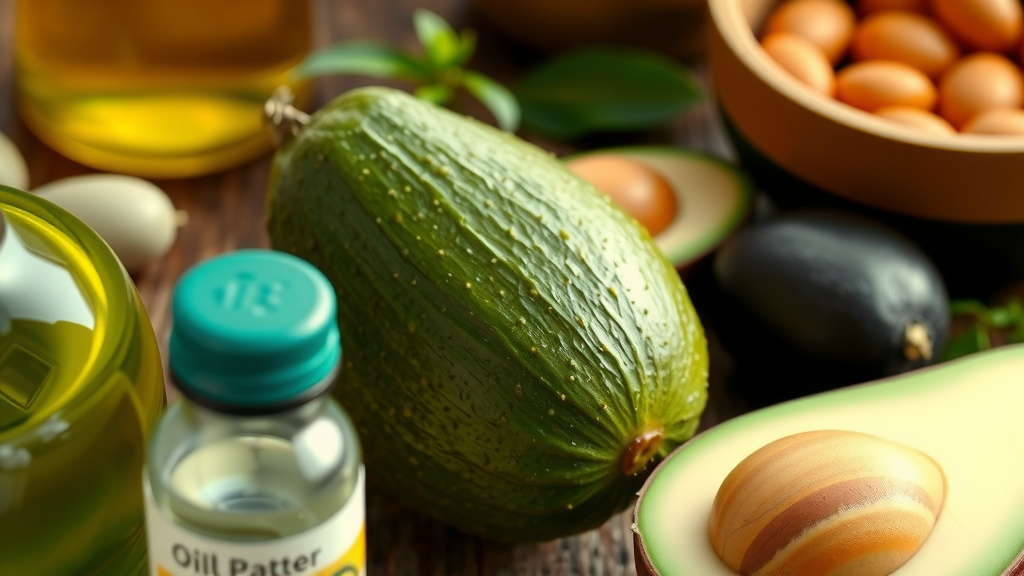
Comparing Their Cooking Versatility
When we look at which oil is best for different cooking tasks, a few patterns emerge. It really comes down to the heat level you’ll be using and the flavor you want.
Avocado Oil: The High-Heat Hero
For cooking methods that require high temperatures, avocado oil is usually the top choice. Its stability under heat means you get great results without compromise. You can confidently pan-fry chicken or roast potatoes until they’re golden brown.
It’s also great for stir-frying. The quick, high heat of a wok or skillet is no match for avocado oil. You’ll achieve that perfect sear on your ingredients.
Virgin Olive Oil: The Finishing Touch and Low-Heat Friend
Virgin olive oil truly shines when used as a finishing oil or in recipes with lower heat. Its wonderful flavor adds a delicious final touch to many dishes. A drizzle over grilled fish or pasta can transform the meal.
Think of it as a flavor enhancer. It’s also excellent for making salad dressings. Whisking it with vinegar, herbs, and spices creates a dressing that’s both healthy and incredibly tasty. You can also use it for gentle sautéing.
Making Your Choice: A Quick Checklist
Deciding between these two healthy oils doesn’t have to be complicated. Consider these points:
- For high-heat cooking (frying, searing, roasting): Choose avocado oil.
- For salad dressings and finishing: Choose virgin olive oil.
- For mild flavor in baking: Avocado oil is often best.
- For robust flavor in Mediterranean dishes: Virgin olive oil is ideal.
- For sautéing at medium heat: Either can work, depending on desired flavor.
Ultimately, having both avocado oil and virgin olive oil in your pantry is a win-win. They serve different purposes beautifully, and both contribute to a healthy, flavorful diet. We found that understanding their smoke points and flavor profiles is the key to culinary success.
Conclusion
So, you’ve learned that avocado oil and virgin olive oil are both fantastic for your health and kitchen. Your choice really depends on your cooking plans. For searing, roasting, and anything needing high heat, avocado oil is your reliable champion. When you want to add a delicious kick to salads, dressings, or finish off a dish with amazing flavor, virgin olive oil is your go-to. Having both on hand means you’re prepared for any recipe. Start by stocking your pantry with both, and you’ll be cooking like a pro in no time!
Frequently Asked Questions
Can I use avocado oil for baking?
Yes, you absolutely can! Avocado oil’s neutral flavor makes it a great choice for baking. It won’t impart a strong taste into your cakes, cookies, or muffins. Its high smoke point also means it holds up well to oven temperatures.
Is virgin olive oil good for dipping bread?
Virgin olive oil is perfect for dipping bread! Its robust, sometimes peppery or fruity flavor adds a wonderful depth. Many enjoy it simply drizzled with a little balsamic vinegar and herbs for a delicious appetizer.
Can I substitute avocado oil for olive oil in a recipe?
You can often substitute them, but consider the flavor and heat. If the recipe calls for olive oil in a salad dressing or a dish where olive oil flavor is desired, avocado oil will be more neutral. If the recipe uses olive oil for high-heat cooking, avocado oil is usually a direct and better substitute.
Which oil is better for heart health?
Both avocado oil and virgin olive oil are excellent for heart health. They are both rich in monounsaturated fats, which can help lower bad cholesterol. Virgin olive oil also contains beneficial antioxidants like polyphenols.
Does the “virgin” in virgin olive oil matter?
Yes, the “virgin” in virgin olive oil is important. It means the oil was produced solely by mechanical or physical means under conditions that do not alter the oil. This less-processed method helps preserve more of its natural flavor, aroma, nutrients, and beneficial compounds compared to refined olive oils.

![7 Best Olive Oils [2026]](https://bestpureessentialoils.com/wp-content/uploads/2026/07/7-best-olive-oils-2026-featured-768x432.jpg)