
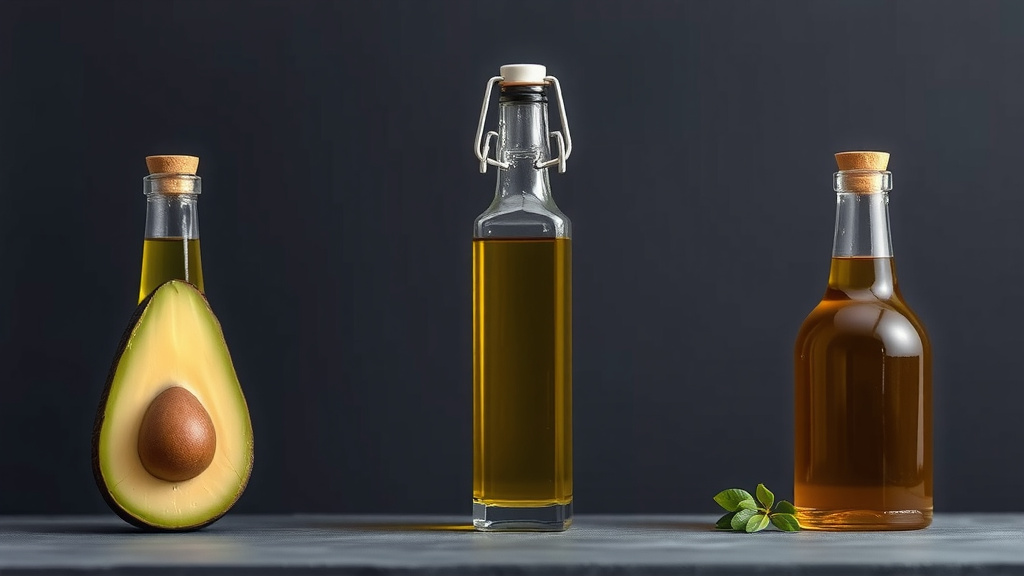
Avocado Oil vs Olive Oil vs Grapeseed Oil: Which is Best
When choosing between avocado oil, olive oil, and grapeseed oil for cooking, olive oil generally takes the crown for its health benefits and rich flavor, especially extra virgin varieties. Avocado oil is a close second with its high smoke point. Grapeseed oil is a neutral, lighter option. Each has its own strengths for different culinary uses.
Your kitchen pantry likely has at least one of these popular oils. Understanding their unique properties can significantly improve your cooking. We found that knowing their smoke points and flavor profiles helps you pick the right oil for frying, sautéing, or dressing salads. It’s about more than just taste; it’s about performance and your health.
- Olive oil is great for health and flavor, especially extra virgin.
- Avocado oil has a high smoke point, making it good for high heat.
- Grapeseed oil is neutral and light, perfect for dressings.
- Choosing the right oil depends on your cooking method.
- Consider smoke point, flavor, and health benefits.
Ready to figure out which oil is your kitchen’s new best friend? Let’s break down avocado oil, olive oil, and grapeseed oil side-by-side to help you make the perfect choice for every dish you create.
Choosing the Right Cooking Oil: Avocado vs. Olive vs. Grapeseed
When you’re standing in the aisle, staring at a wall of oils, it can get overwhelming. You want to cook something delicious and healthy, but which oil will get you there? We’ve all been there, wondering if that expensive olive oil is truly worth it, or if you can just grab any bottle. Today, let’s demystify three popular choices: avocado oil, olive oil, and grapeseed oil. We found that understanding a few key differences will make your kitchen decisions much easier.
Understanding Smoke Points: When Oils Start to Fray
Have you ever seen your cooking oil start to smoke? That’s your cue that the oil is breaking down. This is called the smoke point, and it’s super important. Different oils have different smoke points. Oils with higher smoke points can handle hotter cooking temperatures without getting damaged. Oils that go past their smoke point can create harmful compounds and taste burnt. That’s why picking the right oil for your cooking method matters a lot. We researched and found that knowing these points helps you avoid smoky kitchens and burnt food.
Avocado Oil’s High Heat Tolerance
Avocado oil is like the workhorse of the oil world. It has a **very high smoke point**, often around 520°F (271°C) for refined versions. This makes it fantastic for high-heat cooking methods. Think searing steaks, stir-frying vegetables, or even deep-frying. You can get your pan screaming hot without worrying about the oil breaking down too quickly. We found that this high smoke point is one of its biggest advantages for everyday cooking.
Olive Oil’s Versatile Smoke Point
Olive oil is a bit more nuanced. Extra virgin olive oil (EVOO), which is the least processed, has a lower smoke point, typically around 375°F (190°C). This is still good for most cooking, like sautéing or baking. However, regular or light olive oil has a higher smoke point, often around 400-470°F (204-243°C). So, while you might want to be cautious with EVOO for super high-heat searing, it’s perfectly fine for many common cooking tasks. Many health organizations suggest EVOO for its benefits (Mayo Clinic).
Grapeseed Oil’s Moderate Smoke Point
Grapeseed oil falls somewhere in the middle. Its smoke point is usually around 420°F (216°C). This makes it suitable for medium-high heat cooking. It’s great for pan-frying or roasting vegetables. It’s not quite as robust as avocado oil for extreme heat, but it’s a good all-rounder for many recipes. We found it to be a reliable choice for a variety of cooking styles.
Flavor Profiles: Adding Zest to Your Dishes
Beyond how well they handle heat, these oils also bring different flavors to your food. The taste of your oil can totally change your dish. Are you looking for a subtle hint of something, or a bold flavor? Your choice here can make a big difference.
Olive Oil’s Distinctive Taste
When people think of olive oil, they often think of flavor. Extra virgin olive oil has a distinct, fruity, sometimes peppery taste. This flavor can be a wonderful addition to salad dressings, drizzled over finished dishes, or used in marinades. Regular or light olive oil has a much milder, more neutral flavor. So, if you want that classic Mediterranean taste, EVOO is your go-to. If you want less flavor, a lighter olive oil might be better.
Avocado Oil: A Mild Companion
Avocado oil has a very mild, buttery flavor. You can barely taste it, which is often a good thing! Because its flavor is so neutral, it lets the other ingredients in your dish shine. This makes it incredibly versatile. You can use it in almost anything without worrying about overpowering other flavors. We found that its subtle taste makes it a popular choice for baking and when you don’t want an “oily” taste.
Grapeseed Oil: The Neutralist
Grapeseed oil is perhaps the most neutral of the three. It has a very light, clean taste. You’ll barely notice it’s there. This is why it’s a favorite for salad dressings and light vinaigrettes. It won’t compete with the herbs, spices, or other ingredients you’re using. We found that its lack of strong flavor makes it a fantastic base for sauces and dips where you want precise control over the final taste.
Health Benefits: What’s Good for You?
All three of these oils offer some health benefits, but they differ. It’s good to know what you’re getting. Research suggests that the type of fat and the processing of the oil play a big role in its health profile. We looked at what health experts often say about each one.
Olive Oil: The Heart-Healthy Star
Olive oil, especially extra virgin olive oil, is often praised for its health benefits. It’s rich in monounsaturated fats, which are considered heart-healthy fats. These fats can help lower bad cholesterol levels (Cleveland Clinic). EVOO also contains antioxidants and anti-inflammatory compounds. Many nutritionists recommend it as part of a balanced diet. Remember, less processing usually means more beneficial compounds.
Avocado Oil: Packed with Goodness
Avocado oil is also loaded with monounsaturated fats, similar to olive oil. This makes it another heart-healthy option. It also contains vitamin E, an antioxidant that can help protect your cells from damage. Some studies suggest avocado oil may help increase nutrient absorption from other foods. We found that it’s a great way to add healthy fats to your diet without a strong flavor impact.
Grapeseed Oil: A Lighter Choice
Grapeseed oil is higher in polyunsaturated fats, including omega-6 fatty acids. While these fats are essential, many people get too much omega-6 relative to omega-3 fatty acids in their diet. A high omega-6 to omega-3 ratio can be pro-inflammatory for some individuals. So, while it’s not unhealthy, it’s often recommended to consume it in moderation. Many sources suggest prioritizing oils with a better omega-3 balance when possible (NIH).
Putting It All Together: When to Use Which Oil
So, you’ve learned about smoke points, flavors, and health benefits. Now, how do you decide? Think about what you’re cooking.
For High-Heat Searing and Frying
When you need an oil that can handle the heat without complaint, avocado oil is your champion. Its high smoke point means less worry about burning and more focus on getting that perfect sear. Grapeseed oil can also work, but avocado oil is generally preferred for the absolute hottest cooking.
For Sautéing, Baking, and Everyday Cooking
This is where olive oil truly shines, especially if you enjoy its flavor. Extra virgin olive oil adds a wonderful depth to dishes. For baking or when you want a milder taste, regular or light olive oil is a great option. Grapeseed oil is also perfectly fine here if you prefer a neutral flavor.
For Salad Dressings and Finishing
When you want a clean, light flavor that won’t overpower your delicate ingredients, grapeseed oil is fantastic. Extra virgin olive oil is also a classic choice for dressings, adding a lovely Mediterranean flair. Avocado oil works too, providing a subtle richness.
Quick Guide: Your Oil Cheat Sheet
Here’s a quick rundown to help you remember:
- Avocado Oil: Best for high-heat cooking (frying, searing). Mild flavor. High smoke point.
- Extra Virgin Olive Oil: Great for dressings, finishing, and medium-heat cooking. Robust flavor. Good fats.
- Light/Regular Olive Oil: Good all-rounder for sautéing, baking. Milder flavor. Higher smoke point than EVOO.
- Grapeseed Oil: Excellent for dressings, sauces. Neutral flavor. Medium-high smoke point.
Making the right oil choice can really transform your cooking. It’s not just about taste; it’s about performance and supporting your health goals. We hope this guide helps you feel more confident in selecting the perfect oil for every meal you create!
Conclusion
You’ve learned how avocado oil, olive oil, and grapeseed oil each bring something unique to your kitchen. Remember, avocado oil is your go-to for high-heat searing and frying. Extra virgin olive oil offers fantastic flavor and health benefits, perfect for dressings and finishing dishes. If you prefer a milder taste or need a reliable everyday oil, grapeseed oil or lighter olive oils are excellent choices. By understanding their smoke points, flavors, and health perks, you can confidently pick the right oil for any recipe. Your next step? Try a new recipe this week using the oil best suited for it!
Frequently Asked Questions
Can I substitute avocado oil for olive oil in any recipe?
Yes, you generally can substitute avocado oil for olive oil, especially in recipes where a neutral flavor is preferred or for high-heat cooking. Its higher smoke point makes it a great option for frying and searing where olive oil might break down.
Is extra virgin olive oil always better than regular olive oil?
Extra virgin olive oil (EVOO) is less processed and retains more flavor and beneficial compounds like antioxidants, making it ideal for dressings and finishing. Regular or light olive oil has a milder taste and a higher smoke point, making it more versatile for general cooking and baking.
Which oil is best for weight loss or a healthier diet?
All three oils contain healthy fats. Extra virgin olive oil and avocado oil are rich in monounsaturated fats, often linked to heart health. Grapeseed oil is higher in polyunsaturated fats. Focusing on moderation and choosing less processed oils like EVOO for flavor and health benefits is generally recommended.
Can I use grapeseed oil for deep frying?
Grapeseed oil has a moderate smoke point, around 420°F (216°C), which is suitable for many frying applications. While it can handle medium-high heat, avocado oil typically has a higher smoke point and is often considered a safer bet for very high-temperature deep frying.
How do I store these cooking oils to keep them fresh?
You should store all three oils in a cool, dark place, away from direct sunlight and heat. Keep the lids tightly closed. For optimal freshness, especially with extra virgin olive oil which can degrade faster due to its less processed nature, consider using them within a year of purchase.

![7 Best Extra Virgin Olive Oil For Health [2026]](https://bestpureessentialoils.com/wp-content/uploads/2026/07/7-best-extra-virgin-olive-oil-for-health-2026-featured-768x432.jpg)

One Comment