Blended Oil vs Olive Oil: Which is Best for Cooking
When comparing blended oil vs. olive oil for your cooking needs, think of it this way: olive oil is your reliable workhorse for specific tasks, while blended oils offer a more versatile option for everyday use. Blended oils often combine neutral oils with a touch of olive oil for a balanced flavor and higher smoke point, making them great for general cooking, while pure olive oil shines in dressings and lower-heat applications where its distinct taste is appreciated.
You might be wondering which one is best for your next meal. We found that understanding their smoke points and flavor profiles is key to making the right choice. A good blended oil can be your go-to for sautéing and roasting, offering convenience and a pleasant taste. Olive oil, especially extra virgin, is fantastic for finishing dishes, marinades, and dips, adding a wonderful aroma and robust flavor that’s hard to match.
- Blended oils are versatile for everyday cooking.
- Olive oil offers a distinct flavor, best for dressings and lower heat.
- Consider the smoke point for your cooking method.
- Blends often mix neutral oils with a bit of olive oil.
Let’s break down the differences between blended oil and olive oil so you can pick the perfect one for your kitchen experiments!
Understanding Cooking Oils: Blends vs. Pure Olive
Choosing the right cooking oil can feel like a big decision. You’ve got your classic choices and your newer blends. Let’s figure out which one fits your kitchen best. We’ll look at flavor, cooking performance, and health. This will help you make informed choices for every dish.
What Exactly is Blended Oil?
Think of blended oil as a team effort. It’s usually a mix of different vegetable oils. You might find canola, sunflower, or soybean oil. Often, a little bit of olive oil is added in. This gives it a smoother taste and a bit of olive oil’s character. It’s designed for everyday cooking tasks.
The main goal of a blended oil is versatility. Manufacturers want to create an oil that works well for many recipes. They balance flavor and performance. Many experts say this makes them a great all-purpose choice for home cooks.
The Benefits of a Custom Blend
So why blend oils? It’s often about creating a specific flavor profile and cooking characteristic. A good blend can offer a neutral taste. This means it won’t overpower your food. It also usually has a higher smoke point than pure olive oil.
This makes blended oils perfect for common cooking methods. Think sautéing vegetables or roasting chicken. You get consistent results without worrying about the oil burning. We found that many home cooks appreciate this reliability.
Common Ingredients in Blended Oils
You’ll often see a few key oils making up a blend. Canola oil is common for its mild flavor and availability. Sunflower oil is another popular choice. Soybean oil also features frequently. These oils are generally neutral.
When olive oil is added, it’s usually a smaller amount. This might be to add a hint of flavor or improve the oil’s stability. Research shows that the combination aims for a balanced performance across various cooking styles.
The Unique Qualities of Olive Oil
Olive oil is a star in kitchens worldwide. It comes from pressing olives. Its flavor can range from mild to quite robust. This richness is what many people love about it.
There are different types of olive oil. Extra virgin olive oil (EVOO) is the least processed. It has a strong flavor and is great for finishing dishes. Regular olive oil is more refined. It has a milder taste and a slightly higher smoke point.
Flavor Profiles: A Key Difference
One of the biggest differences you’ll notice is flavor. Pure olive oil, especially EVOO, has a distinct taste. It can be fruity, peppery, or grassy. This makes it a fantastic ingredient for dressings, dips, and marinades.
Blended oils typically aim for a more neutral taste. This isn’t a bad thing! It means the oil lets the flavors of your food shine through. It’s ideal when you don’t want the oil’s flavor to compete. We found that for delicate dishes, a neutral blend is often preferred.
Smoke Points: How Hot Can They Go?
Smoke point is super important for cooking. It’s the temperature at which an oil starts to smoke and break down. When oil smokes, it can release harmful compounds. It also affects the taste of your food. Burnt oil tastes bitter.
Pure olive oil, especially EVOO, has a lower smoke point. It’s best suited for low to medium-heat cooking. Think gentle sautéing or using it uncooked in salads. Refined olive oil has a higher smoke point, but still generally lower than many blends. Many guidelines suggest using oils with higher smoke points for high-heat cooking (Cleveland Clinic).
Blended oils often have a higher smoke point. This is because they are usually made with oils that can handle more heat. This makes them a safer bet for frying, high-heat roasting, and searing. You can push the temperature a bit higher without as much worry.
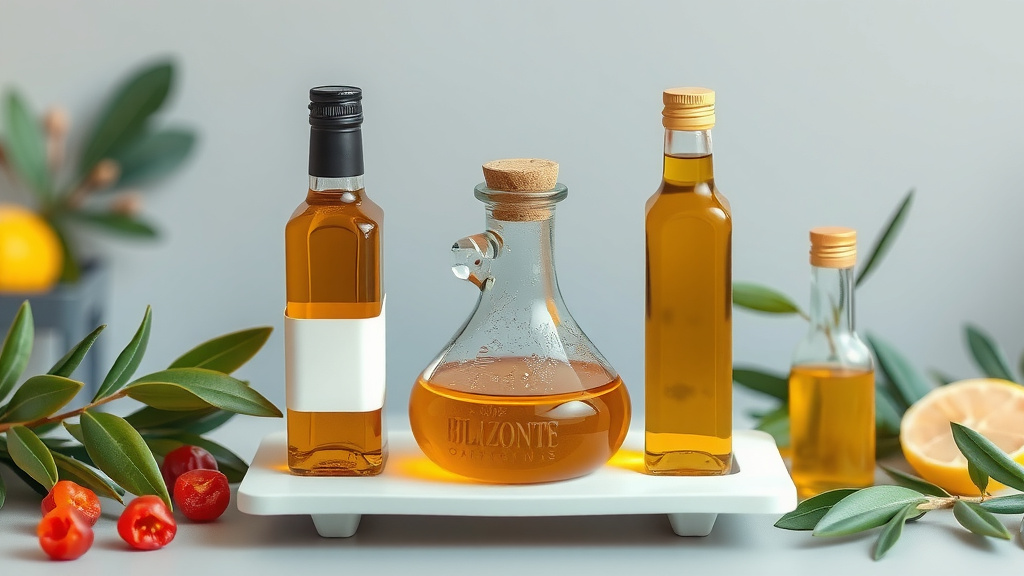
Comparing Performance and Health Aspects
When you’re standing in the aisle, you want to know what works. Let’s look at how these oils perform in the kitchen and what they offer nutritionally.
Cooking Applications: Where They Shine
For salad dressings, marinades, and drizzling over finished dishes, extra virgin olive oil is a top choice. Its flavor adds a wonderful dimension. You can also use it for low-heat pan-frying.
Blended oils are your workhorse for everyday cooking. Need to sauté onions? Use a blend. Roasting vegetables at a higher temperature? A blend is perfect. Pan-frying chicken or fish? A blended oil can handle it. We found that many busy home cooks reach for blends because they are so adaptable.
High-Heat Cooking
When you’re searing a steak or stir-frying, you need an oil that can take the heat. Blended oils usually have the advantage here. Their higher smoke points mean less chance of burning.
Low-Heat and Finishing
For delicate flavors and uncooked applications, olive oil often wins. Its rich taste can transform a simple salad. It also adds a beautiful aroma to grilled vegetables or pasta. You get more flavor impact with pure olive oil.
Nutritional Considerations
Both types of oil offer some health benefits. Olive oil is well-known for its monounsaturated fats. These are considered healthy fats. They can be good for your heart (NIH). Extra virgin olive oil also contains antioxidants.
Blended oils vary depending on their ingredients. If a blend includes oils rich in monounsaturated or polyunsaturated fats, it can also be a healthy choice. Some blends might be higher in omega-6 fatty acids, which are also essential but often consumed in excess by many people.
It’s important to look at the ingredients list. A blend that includes oils like olive oil or avocado oil will likely offer a better nutritional profile. Research often points to the type of fat in the oil as being more important than the oil being labeled “blended” or “pure” (Mayo Clinic).
Making Your Choice: A Simple Checklist
Still unsure? Let’s make it easy. Consider these points for your next grocery trip:
- What temperature will you be cooking at?
- Do you want the oil’s flavor to be noticeable?
- Are you using the oil for dressings or finishing dishes?
- Is a neutral flavor important for your recipe?
- Do you prefer a specific oil type for health reasons?
- What’s your budget? Olive oil can sometimes be more expensive.
Conclusion
So, you’ve learned that blended oils and olive oil each have their own strengths. Blended oils are your reliable all-purpose choice for everyday cooking. They handle higher heat and offer a neutral flavor. Pure olive oil, especially extra virgin, shines when its distinct flavor is desired. Think salad dressings, marinades, and finishing touches. We found that understanding your cooking method and flavor goals is key.
Your next step? Next time you’re grocery shopping, grab the oil that best suits the dish you’re planning. You’ll find cooking becomes more enjoyable and the results more delicious when you pick the right oil.
Frequently Asked Questions
Can I use blended oil instead of olive oil for everything?
Generally, yes, you can use blended oil for most cooking tasks where you might otherwise use olive oil. However, you’ll miss out on the unique flavor that pure olive oil, especially extra virgin, brings to dressings and uncooked dishes. Blended oils are best for their versatility in cooking.
Is blended oil healthy?
The healthiness of blended oil depends on the types of oils used in the blend. Many blends include healthy oils like canola or sunflower oil, and some even have a portion of olive oil. It’s a good idea to check the ingredient list and consider the type of fats present, aiming for those rich in monounsaturated or polyunsaturated fats.
Which oil is better for high-heat frying: blended or olive oil?
Blended oils are typically a better choice for high-heat frying. They usually have a higher smoke point due to the neutral oils they contain. This means they are less likely to break down and burn at high temperatures, which is important for both taste and safety.
Does the amount of olive oil in a blend matter for flavor?
Yes, the amount of olive oil in a blend can affect the flavor. If a blend contains only a small percentage of olive oil, its flavor will likely be very mild or undetectable. Blends with a higher olive oil content might offer a more noticeable, though still balanced, taste.
When should I absolutely choose extra virgin olive oil over blended oil?
You should definitely choose extra virgin olive oil (EVOO) when you want its distinct flavor to be a star. This includes making salad dressings, marinades, drizzling over cooked vegetables or pasta, and using in dips like hummus. EVOO also adds great flavor when used for low-heat sautéing.



![7 Best Extra Virgin Olive Oil To Take Daily [2026]](https://bestpureessentialoils.com/wp-content/uploads/2026/08/7-best-extra-virgin-olive-oil-to-take-daily-2026-featured-768x432.jpg)