
Extra Virgin vs Blended Olive Oil: What’s the Difference
When comparing blended olive oil vs. extra virgin olive oil, the main difference comes down to flavor and purity. Extra virgin olive oil (EVOO) is the highest grade, made from pure, cold-pressed olives with a robust flavor. Blended olive oil often mixes EVOO with refined olive oils, which can dilute the flavor and nutritional benefits.
So, while both are olive oil, they aren’t quite the same. Understanding these distinctions can help you choose the best oil for your cooking needs. Many people wonder which is truly healthier or tastier for everyday use.
- Extra virgin olive oil is pure and flavorful.
- Blended olive oil is a mix, often less flavorful.
- EVOO is best for dressings and finishing.
- Blended oil can work for general cooking.
- Consider your recipe and desired taste.
Let’s dive deeper into what makes them different and when you might want to reach for one over the other in your kitchen.
Understanding Different Olive Oil Grades for Your Kitchen
You’ve seen them side-by-side in the grocery aisle: Extra Virgin Olive Oil (EVOO) and bottles labeled simply “Olive Oil” or “Light Olive Oil.” It can be confusing, right? We often reach for what looks familiar or what’s on sale. But what’s really inside those bottles, and does it matter for your cooking?
The key difference lies in how the oil is produced and its resulting purity and flavor profile. Think of it like the difference between fresh-squeezed orange juice and concentrate. Both are orange juice, but one is clearly more vibrant and less processed.
What Exactly is Extra Virgin Olive Oil (EVOO)?
Extra virgin olive oil is considered the gold standard in the olive oil world. It’s the least processed and highest quality you can buy. We found that its production is quite specific.
The Purity of EVOO
EVOO is made from 100% pure olives. It’s extracted mechanically, meaning no heat or chemicals are used in the process. This is often referred to as ‘cold-pressing.’
This careful extraction method helps preserve the olive’s natural antioxidants and flavor compounds. Many health organizations, like the Harvard T.H. Chan School of Public Health, highlight that this minimal processing is what gives EVOO its beneficial properties.
Flavor and Aroma Characteristics
Because it’s so pure, EVOO boasts a rich, distinct flavor. You might detect notes of fruitiness, grass, or even a peppery finish. The aroma is typically fresh and inviting, like sniffing a bouquet of fresh herbs.
We’ve found that the taste can vary widely depending on the type of olives used and where they were grown. Some EVOOs are mild and buttery, while others are bold and intense. This makes it perfect for adding a final flourish to dishes.
When to Use Extra Virgin Olive Oil
Due to its delicate flavor and health benefits, EVOO shines in certain culinary applications. We recommend using it for things where its taste can truly be appreciated.
- Drizzling over salads and grilled vegetables
- Using in salad dressings and vinaigrettes
- Finishing pasta dishes or soups
- Dipping crusty bread
- Incorporating into pesto or marinades
Its lower smoke point means it’s generally not the best choice for high-heat cooking, as it can break down and lose its flavor and beneficial compounds.
Understanding Blended Olive Oils
Blended olive oils are where things can get a bit more varied. These oils are designed to offer a more neutral flavor and a higher smoke point, making them versatile for everyday cooking. We found that the term ‘blended olive oil’ can cover a few different types.
What’s Inside a Blend?
A blended olive oil typically contains a mix. It often includes some extra virgin olive oil for a hint of flavor and quality. However, it’s usually combined with refined olive oil.
Refined olive oil is made from olives that might have been damaged or processed using heat and chemicals to remove imperfections and off-flavors. This process strips away much of the natural flavor and antioxidants, essentially creating a very neutral oil.
Types of Blended Olive Oils
You’ll often see terms like “Pure Olive Oil,” “Light Olive Oil,” or just “Olive Oil” on these bottles. These are all generally blended oils.
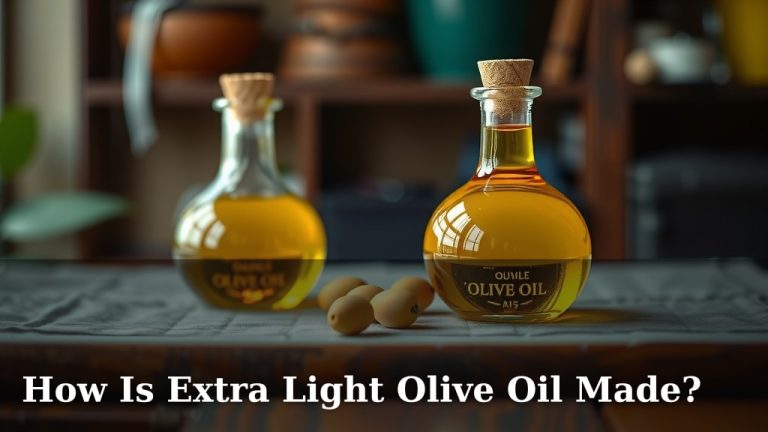
Pure Olive Oil: This usually contains a blend of virgin olive oil (a step below EVOO) and refined olive oil. It’s milder than EVOO. Light Olive Oil: This term refers to the oil’s color and flavor, not its calorie content. It’s typically a blend that has been highly refined, resulting in a very pale color and a neutral taste. You might also find “Extra Light Olive Oil” which is even more neutral.
Flavor and Use of Blended Oils
The flavor of blended olive oil is much more subdued compared to EVOO. It’s often described as mild, neutral, or buttery. This lack of distinct flavor makes it a workhorse in the kitchen.
We found that blended oils are a good choice for cooking methods that require higher heat, such as sautéing, roasting, or baking. The refining process makes them more stable at higher temperatures.
- Sautéing vegetables and proteins
- Roasting meats and potatoes
- Baking cakes, muffins, and breads
- Frying (though other oils might be better suited)
While they offer less in terms of distinct flavor and potent antioxidants, their versatility and higher smoke point are undeniable benefits for many home cooks.
A Quick Comparison Table
To help you decide, here’s a simple breakdown. We think this makes the differences super clear.
| Feature | Extra Virgin Olive Oil (EVOO) | Blended Olive Oil (Pure/Light/Olive Oil) |
|---|---|---|
| Purity | 100% pure, mechanically extracted, no heat/chemicals | Blend of virgin/refined olive oils; refined oils processed with heat/chemicals |
| Flavor | Rich, fruity, grassy, peppery; distinct | Mild, neutral, buttery; subtle |
| Antioxidants | High | Lower (due to refining) |
| Smoke Point | Lower (around 375°F / 190°C) | Higher (around 400-465°F / 204-240°C) |
| Best For | Dressings, finishing, dipping, low-heat cooking | Sautéing, roasting, baking, high-heat cooking |
Making the Right Choice for Your Cooking Needs
So, which oil should you keep in your pantry? It really depends on what you’re making and the flavor you want to achieve. We always advise having both on hand!
For those moments when you want to add a burst of fresh flavor to your finished dish – think drizzling over a Caprese salad or finishing a bowl of pasta – reach for your extra virgin olive oil. Its robust taste is unmatched.
When you’re doing more general cooking, like sautéing onions for a soup base or roasting vegetables for a weeknight dinner, a blended olive oil is perfectly suitable. It offers a neutral flavor that won’t overpower your ingredients and can handle the heat.
A Simple Checklist for Choosing:
Wondering which to grab? Ask yourself these quick questions:
- Will this oil be the star of the show in flavor? (If yes, use EVOO.)
- Am I cooking at high heat? (If yes, a blend is often better.)
- Do I want a strong olive flavor in my final dish? (If yes, EVOO.)
- Is a mild, neutral oil best for this recipe? (If yes, a blend.)
- Am I making a salad dressing? (EVOO is usually preferred.)
- Am I baking something where a subtle oil taste is good? (A blend works well.)
By understanding these differences, you can confidently select the right olive oil to enhance your culinary creations. Your taste buds (and your recipes!) will thank you.
Conclusion
You now know that choosing between blended and extra virgin olive oil is all about your recipe’s needs. Extra virgin olive oil is your go-to for fresh, vibrant flavors and healthy finishing touches. For everyday cooking where heat is involved or a neutral taste is preferred, a blended oil is your reliable kitchen companion. We’ve found that keeping both types on hand offers the most culinary flexibility. Next time you’re in the kitchen, consider the flavor profile and cooking method. Then, you can confidently select the perfect olive oil to make your dishes shine.
Frequently Asked Questions
Is blended olive oil actually healthy?
Blended olive oils are still a source of healthy fats. However, they contain fewer antioxidants and beneficial compounds than extra virgin olive oil. This is because the refining process used to create some of the oil in the blend can reduce these elements.
Can I use extra virgin olive oil for high-heat cooking?
While you can use EVOO for some moderate-heat cooking, its lower smoke point means it’s generally not ideal for very high temperatures. We found that consistent high heat can degrade its flavor and beneficial compounds, making blended oils a better choice for searing or frying.
What does “light olive oil” really mean?
Despite the name, “light olive oil” does not refer to its calorie content. It means the oil has a lighter color and a much more neutral flavor. These are typically highly refined blended olive oils designed for versatility.
Why does extra virgin olive oil taste peppery or bitter?
That peppery or bitter sensation in EVOO is a good sign! We’ve learned that these qualities come from polyphenols, which are natural antioxidants found in olives. Their presence indicates a high-quality, minimally processed oil.
How can I tell if my olive oil is good quality?
For EVOO, look for a harvest date on the bottle and consider buying from reputable sources. Taste is key – a good EVOO will have a fresh, fruity aroma and flavor, possibly with a peppery finish. For blended oils, focus on their intended use and smoke point rather than expecting a strong olive flavor.




7 Comments