Olive Oil Rancidity: How Long Does It Last
Your olive oil likely goes rancid after about 18-24 months from its bottling date. It doesn’t truly “go bad” in a way that will make you sick, but it loses its fresh flavor and beneficial compounds. Think of it like milk – it spoils but doesn’t usually cause food poisoning. So, how long before your favorite EVOO loses its charm?
The shelf life of olive oil depends heavily on how it’s stored and its quality. Exposure to light, heat, and air are its biggest enemies. Even a brand-new bottle can start to degrade if it’s not handled correctly. We’ve all smelled that stale, crayon-like odor, right?
- Olive oil typically lasts 18-24 months from bottling.
- Rancidity means loss of flavor and health benefits, not usually sickness.
- Key enemies are light, heat, and air.
- Proper storage is essential for longevity.
Let’s get into the nitty-gritty of what makes olive oil go rancid and how you can keep yours tasting delicious for as long as possible.
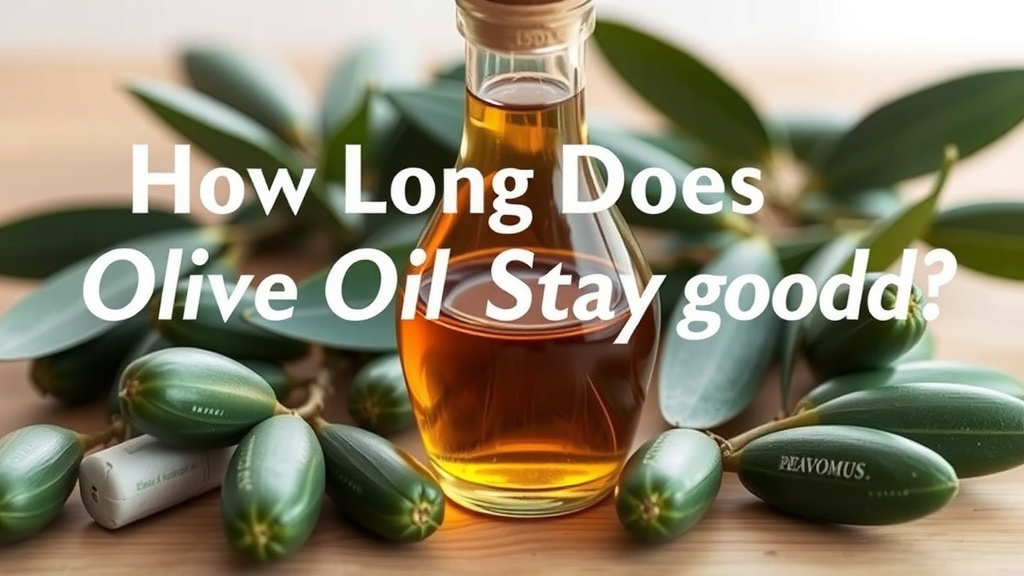
How Long Does Olive Oil Stay Good?
So, you’ve got a beautiful bottle of olive oil. You might be wondering, “When will this lovely liquid start to lose its spark?” Research suggests that most olive oils are best used within 18 to 24 months from the date they were bottled. This timeframe isn’t a hard-and-fast rule for safety, but rather for quality. Think of it like wine; it can age, but at some point, it just isn’t as vibrant as it once was. You want that fresh, fruity aroma and taste, not something that smells a bit off.
The Enemies of Olive Oil: What Causes It to Go Bad?
Olive oil is a bit like us – it doesn’t do well when exposed to the wrong elements. There are three main culprits that speed up the process of olive oil turning rancid. Keeping these in mind will help you protect your precious oil.
1. Exposure to Light
Sunlight and even harsh artificial light are not your olive oil’s friends. Light causes a chemical reaction called photo-oxidation. This breaks down the oil’s beneficial compounds and creates unpleasant flavors and aromas. This is why many good quality olive oils come in dark glass bottles. They offer some protection, but it’s not foolproof.
2. Heat Accelerates Degradation
High temperatures are a major enemy. Think about storing olive oil near your stove or in a sunny windowsill. These spots are bad news. Heat speeds up the oxidation process significantly. Many experts recommend storing olive oil at a cool, consistent room temperature, ideally between 55°F and 70°F (13°C to 21°C) (NCBI). Avoid putting it in the refrigerator, as this can cause it to solidify and may impact its texture and flavor over time.
3. Air Invites Oxidation
Once you open a bottle, air gets in. Every time you remove the cap, you’re introducing oxygen. This oxygen reacts with the oil, causing it to oxidize. The more air that comes into contact with the oil, the faster it degrades. This is why tightly sealing the cap after each use is so important. A half-empty bottle will generally go rancid faster than a full one.
How to Tell If Your Olive Oil Has Gone Rancid
You might be thinking, “How will I know if my oil has gone bad?” Thankfully, your senses are usually pretty good at detecting rancid olive oil. It’s not usually a dangerous situation, but it certainly makes for unpleasant cooking.
The Smell Test
This is often the quickest way to tell. Fresh olive oil has a fruity, sometimes peppery or grassy aroma. Rancid olive oil, on the other hand, can smell like crayons, putty, old nuts, or even slightly like petroleum. If it smells “off” or unpleasant, it’s likely past its prime.
The Taste Test
If the smell is questionable, a tiny taste can confirm it. Fresh olive oil has a bright, sometimes pungent or peppery flavor that might even make you cough slightly. Rancid oil will taste bitter, stale, or greasy. It won’t have that fresh, vibrant quality you expect.
The Look and Feel
While less common for detection, sometimes rancid oil can appear cloudy or have a thicker, more sludgy consistency. However, smell and taste are your most reliable indicators.
Maximizing Your Olive Oil’s Shelf Life
The good news is that you have a lot of control over how long your olive oil stays fresh and flavorful. Proper storage is key!
Choose the Right Bottle at Purchase
When buying, look for bottles that are dark or opaque. This offers better protection from light. Check for a “bottling date” or “harvest date” if available. A more recent date means a longer potential shelf life for you.
Store it Wisely at Home
Find a cool, dark place for your olive oil. A pantry or a cupboard away from the stove and out of direct sunlight is ideal. Keep the bottle tightly capped when not in use. Think of it as tucking your oil in for a nice, long nap.
Decanting for Convenience (With Caution)
Some people like to pour a smaller amount of olive oil into a cruet for everyday use. This is fine, as long as you only refill the cruet when it’s nearly empty. This minimizes the amount of air exposure for the bulk of your oil stored in its original, protected bottle.
Understanding Different Types of Olive Oil and Their Shelf Life
Not all olive oils are created equal, and this can affect their longevity. Extra Virgin Olive Oil (EVOO) is generally the highest quality and has the shortest shelf life once opened because it’s less processed and contains more natural compounds that can degrade.
| Type of Olive Oil | Unopened Shelf Life (From Bottling) | Opened Shelf Life (Best Flavor) |
|---|---|---|
| Extra Virgin Olive Oil (EVOO) | 18-24 months | 2-3 months |
| Virgin Olive Oil | 18-24 months | 3-4 months |
| Pure Olive Oil / Olive Oil (Refined) | 12-18 months | 6-12 months |
| Light Olive Oil (Flavor/Color) | 12-18 months | 6-12 months |
As you can see, the more refined oils tend to last a bit longer due to processing, but they also lose some of the health benefits and nuanced flavors of EVOO. The table reflects general guidelines, and proper storage will always help extend these times.
Your Olive Oil Longevity Checklist
Want to make sure your olive oil stays fresh and delicious? Keep these tips handy!
- Buy smart: Look for dark bottles and recent bottling dates.
- Store cool: Keep it in a pantry or cupboard, away from heat and light.
- Seal tight: Always recap your bottle securely after use.
- Use your senses: Smell and taste to check for freshness.
- Don’t overbuy: Purchase amounts you can use within a few months of opening.
- Keep it simple: Avoid storing near the stove or in sunny spots.
Conclusion
You now know that your olive oil’s lifespan largely depends on how you treat it. While most bottles are good for 18-24 months from bottling, remember that light, heat, and air are its primary enemies. By storing your oil in a cool, dark place and keeping the cap tightly sealed, you can preserve its fresh flavor and beneficial qualities. Don’t let your delicious EVOO go to waste – trust your senses to check for freshness, and enjoy it at its best.
Your next step? Go check your pantry! Find that bottle of olive oil and make sure it’s stored in the perfect spot. Your taste buds will thank you.
Frequently Asked Questions
Does olive oil expire and become unsafe to eat?
Olive oil doesn’t typically “expire” in a way that makes it dangerous to consume. Instead, it becomes rancid, meaning it loses its fresh flavor and aroma. While it won’t usually make you sick, rancid oil tastes unpleasant and loses its health benefits.
Can you freeze olive oil to make it last longer?
Freezing olive oil isn’t recommended as it can alter its texture and flavor. While it might extend its shelf life slightly, the changes to its quality after thawing aren’t usually desirable. Stick to cool, dark storage instead.
How does the bottling date affect olive oil shelf life?
The bottling date is your best indicator of freshness. Olive oil starts to degrade from the moment it’s bottled. A more recent bottling date means your oil has a longer potential period of peak quality and flavor.
What’s the difference in shelf life between Extra Virgin Olive Oil and regular olive oil?
Extra Virgin Olive Oil (EVOO) is less processed and retains more natural compounds, making its opened shelf life shorter (around 2-3 months for best flavor). Refined or “pure” olive oils, being more processed, generally have a longer shelf life once opened (up to 6-12 months).
Is it okay to use olive oil that smells like crayons?
If your olive oil has a scent that reminds you of crayons, putty, or old nuts, it has likely gone rancid. While still safe to cook with in a pinch, its flavor will be unpleasant and detract from your dishes. It’s best to discard rancid olive oil.

![7 Best Olive Oil Brand For Dipping Bread [2026]](https://bestpureessentialoils.com/wp-content/uploads/2026/09/7-best-olive-oil-brand-for-dipping-bread-2026-featured-768x432.jpg)
![7 Best Extra Virgin Olive Oil For Bread Dipping [2026]](https://bestpureessentialoils.com/wp-content/uploads/2026/08/7-best-extra-virgin-olive-oil-for-bread-dipping-2026-featured-768x432.jpg)