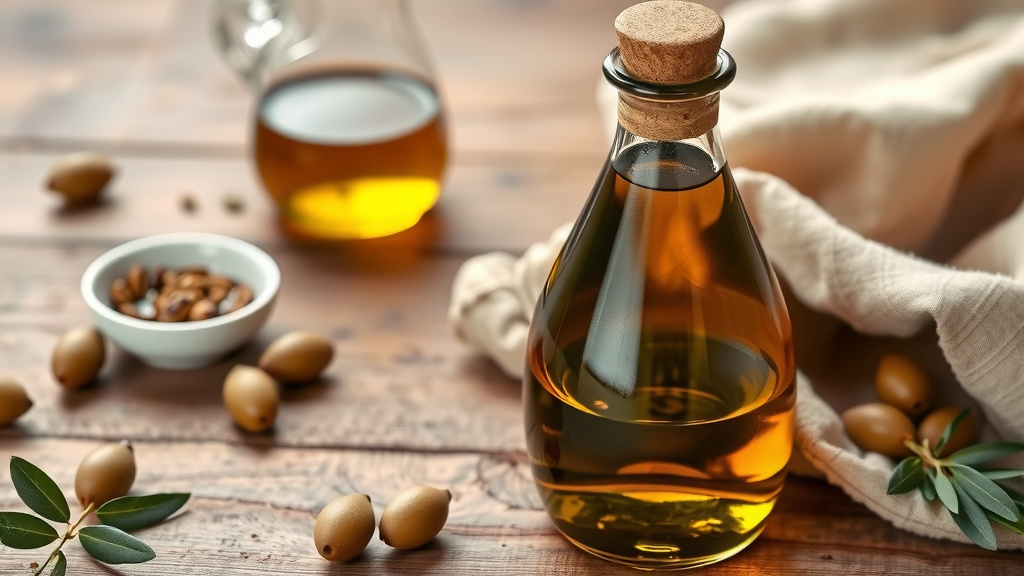
How Long Does Opened Olive Oil Last? Your Guide
Opened olive oil typically lasts for 12 to 24 months, depending on the type and storage conditions. While it might not “go bad” in a way that makes you sick, it can lose its flavor and health benefits over time. You’ll want to pay attention to its smell and taste.
Factors like light, heat, and air exposure can speed up the oil’s degradation. For best results, keep your olive oil in a cool, dark place. This helps preserve its delicate qualities and ensures you get the most out of your purchase. Think of it like fine wine; it needs a little care.
- Generally lasts 12-24 months after opening.
- Quality degrades faster with poor storage.
- Look for signs like rancid smell or taste.
- Store in a cool, dark place.
- Dark glass bottles are best.
Let’s walk through exactly how to tell if your olive oil is still good and how to keep it fresh for as long as possible.
How Long Does Olive Oil Really Stay Fresh After Opening?
Once you break the seal on that bottle of olive oil, you might wonder how long it will keep its fantastic flavor and health benefits. We found that opened olive oil typically remains at its best for about 12 to 24 months. This isn’t a hard and fast rule, though. Several factors play a big role in its shelf life. Think of it as a gentle suggestion, not a strict deadline.
Understanding Olive Oil’s Shelf Life
The clock starts ticking for your olive oil as soon as it’s exposed to air and light. This is why the type of oil and how you store it are so important. Even the finest extra virgin olive oil can lose its zing if not cared for properly.
The Role of Quality and Type
You might be surprised to learn that not all olive oils are created equal when it comes to longevity. High-quality extra virgin olive oil (EVOO) tends to have a shorter ideal window than refined or lighter olive oils. This is because EVOO retains more of its natural compounds, which are also more susceptible to degradation. Our guide to blended olive oil vs. extra virgin olive oil explains the differences.
We found that the harvest date is often more important than the expiration date printed on the bottle. Olive oil is a natural product, and its freshness is tied to when the olives were pressed. Look for bottles with a harvest date if possible.
Why Does it Degrade?
Several enemies can turn your liquid gold into something less desirable. Heat, light, and air are the main culprits. They cause oxidation, which is the process that makes oils go rancid. This process breaks down the healthy fats and destroys the flavor compounds.
Think about it like a freshly cut apple. Left out on the counter, it quickly turns brown and unappealing. Olive oil undergoes a similar, though slower, process when exposed to the elements.
Signs Your Olive Oil Has Gone Bad
So, how can you tell if your olive oil has seen better days? You don’t need a fancy lab. Your senses of smell and taste are your best guides. You’ll likely notice changes before anything truly “dangerous” happens.
The Smell Test
When olive oil starts to go bad, it develops a distinct aroma. Instead of smelling fresh, fruity, or grassy, it might smell like crayons, putty, or even stale nuts. Some describe it as a “rancid” smell, which is a bit like old grease.
Give the bottle a good sniff. If the smell is unpleasant or just “off,” it’s probably time to say goodbye. Trust your nose; it’s usually quite accurate.
The Taste Test (Use with Caution!)
If the smell test doesn’t give you a clear answer, a tiny taste might help. Pour a very small amount onto a spoon. It should taste fresh and perhaps a little peppery or bitter if it’s a good quality EVOO. If it tastes sour, metallic, or stale, it’s likely past its prime.
We found that even if the taste isn’t overtly unpleasant, a lack of flavor is a good sign it’s degraded. You won’t get the health benefits or the delicious taste you’re looking for.
Visual Cues
While less common, sometimes you might notice visual changes. If your oil looks cloudy or has visible sediment that wasn’t there before, it might be a sign of spoilage. However, some sediment can be normal for unfiltered oils, so don’t rely on this alone.
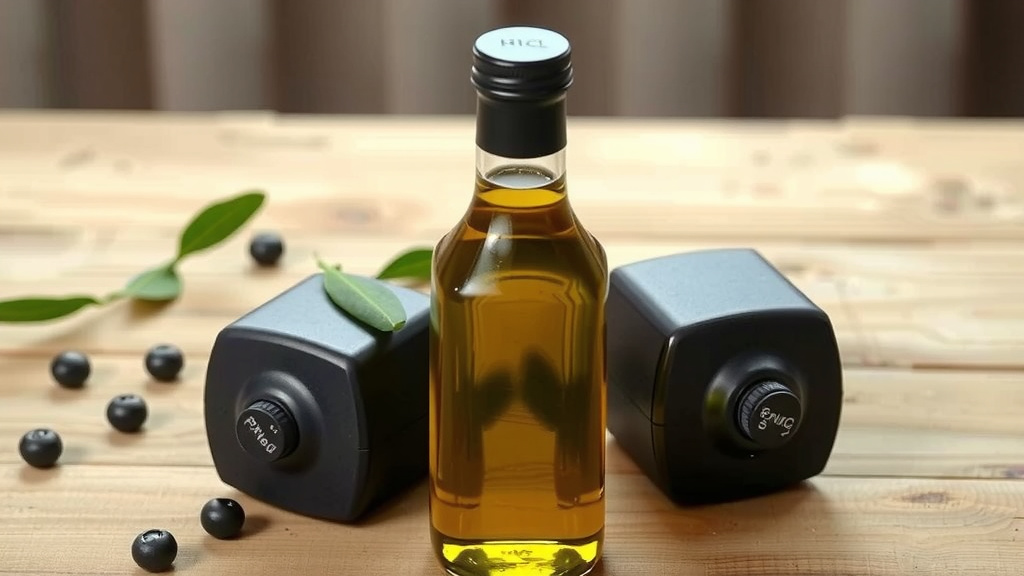
Maximizing Your Olive Oil’s Freshness: Storage Secrets
The good news is you can significantly extend the life of your olive oil with proper storage. It’s all about protecting it from its enemies: heat, light, and air.
The Cool, Dark Place Rule
This is perhaps the most critical piece of advice we can give you. Store your olive oil in a cool, dark pantry or cupboard. Avoid storing it near the stove, oven, or any heat-generating appliance. The temperature should be relatively stable.
Many experts suggest a temperature between 60-70°F (15-21°C) as ideal. Avoid the refrigerator, as this can cause the oil to solidify and may affect its quality over time. Plus, taking it in and out of the fridge can lead to condensation.
The Importance of the Bottle
The container your olive oil comes in matters a lot. Dark glass bottles are excellent because they help shield the oil from light. Clear or green glass offers less protection. If your oil came in a clear bottle, consider transferring it to a dark glass container once opened.
Keeping Air Out
Every time you open the bottle, air gets in. This speeds up oxidation. We found that keeping the cap tightly sealed between uses is vital. If you buy a larger quantity, consider pouring some into a smaller, dark glass bottle for daily use, keeping the larger one tucked away in its cool, dark spot.
Consider Your Usage Habits
Are you a daily olive oil user, or do you only reach for it occasionally? Your usage can influence how long a bottle lasts. If you go through olive oil quickly, you might not need to worry as much about the 12-24 month guideline. If it sits around for months, careful storage becomes even more important.
When to Let Go of Old Olive Oil
It can be tough to toss a bottle of olive oil, especially if it was expensive. But using rancid oil means you miss out on flavor and potential health benefits. Plus, it can impart an unpleasant taste to your food. We found that it’s better to replace it than to risk ruining a delicious meal.
Here’s a quick checklist to help you decide:
- Does it smell like crayons or stale nuts?
- Does it taste bitter, sour, or metallic?
- Has it been open for longer than 24 months?
- Was it stored improperly (e.g., near heat or light)?
- Is there unusual cloudiness or sediment?
Conclusion
You’ve learned that opened olive oil generally lasts between 12 to 24 months, but its true lifespan depends on how you treat it. Keeping it away from heat, light, and air is your best defense. Your senses of smell and taste are your most reliable tools for checking freshness. Don’t hesitate to let go of oil that has lost its appeal, as it won’t add flavor to your dishes. Our research found that proper storage is key to enjoying your olive oil’s full potential. Make a habit of checking your oil’s scent and taste regularly to ensure you’re always cooking with the best.
Frequently Asked Questions
Can I still use olive oil if it smells a bit off?
While olive oil doesn’t typically become dangerous to consume, an off smell indicates it has oxidized and lost its desirable flavor. We found that it’s best to avoid using oil that smells like crayons, putty, or stale nuts. You’ll get a much better taste and aroma from fresh oil.
Does refrigerating olive oil extend its life?
It’s generally not recommended to refrigerate olive oil. While it might slow down oxidation, the cold can cause the oil to solidify and potentially affect its texture and flavor when used. Our research suggests a cool, dark pantry is a better option.
What’s the difference between an expiration date and a harvest date on olive oil?
The expiration date is a general guideline, but the harvest date is more important for olive oil. Since olive oil is a natural product made from fruit, its freshness is tied to when the olives were pressed. Look for bottles with a harvest date for the freshest oil.
How can I tell if my olive oil is just old or actually rancid?
Rancidity is when the oil has gone bad due to oxidation. You’ll notice a distinct unpleasant smell, often described as crayon-like or like stale nuts. The taste will also be off, potentially sour, metallic, or bitter. Freshness means a vibrant, sometimes peppery, flavor.
If my olive oil is cloudy, does that mean it’s bad?
Cloudiness alone isn’t always a sign of spoilage. Some unfiltered olive oils naturally have sediment or can appear cloudy, especially if stored in cooler temperatures. However, if you notice cloudiness along with a bad smell or taste, it’s likely time to replace it.

![7 Best Olive Oils [2026]](https://bestpureessentialoils.com/wp-content/uploads/2026/07/7-best-olive-oils-2026-featured-768x432.jpg)