
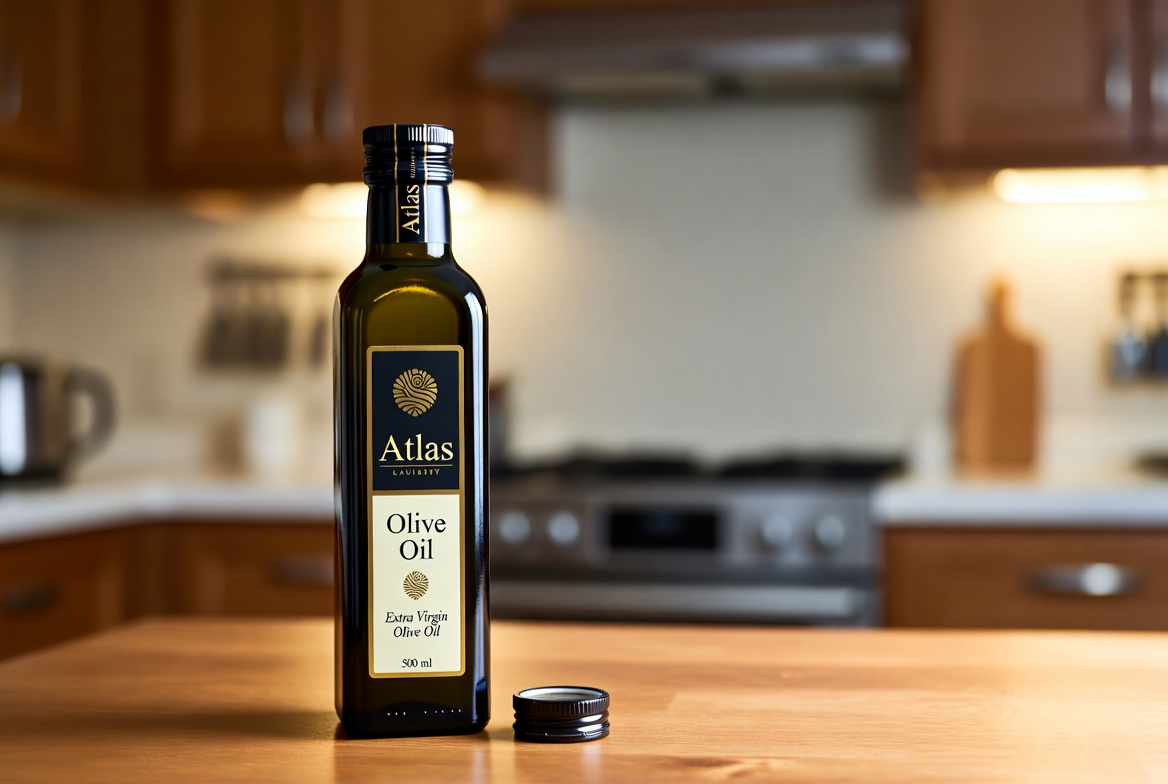
Atlas vs Gundry Olive Oil: Is the Price Gap Actually Justified?
When you’re standing in the grocery store aisle, staring at two bottles of olive oil with drastically different price tags, you might wonder if you’re looking at the same product or if one brand has somehow discovered liquid gold. Atlas and Gundry are two names that pop up frequently in conversations about premium olive oils, and they couldn’t be more different in their positioning—or their cost. But here’s the real question: does paying three times more for one brand actually get you three times better quality? Let’s dig into this comparison and find out what makes these two olive oils tick.
Understanding the Olive Oil Market Landscape
Before we jump into the specifics of Atlas and Gundry, it’s important to understand that the olive oil industry is more complex than most people realize. You’ve got everything from mass-produced bottles that sit in supermarket bins to small-batch, artisanal oils that cost more than some people spend on weekly groceries. The market is fragmented, and not all premium pricing translates to premium quality.
The olive oil world is split into several categories: extra virgin, virgin, refined, and blended oils. Then there’s the matter of origin, harvest time, processing methods, and storage conditions. Each of these factors plays a role in determining both the quality and the price point of what ends up in your kitchen.
What Is Atlas Olive Oil?
Brand Overview and Market Position
Atlas olive oil positions itself as an accessible premium option. It’s the kind of brand you might find in mainstream grocery stores, yet it still carries a premium label. The brand emphasizes quality without the ultra-luxury pricing that makes your wallet weep. Atlas has built its reputation on being straightforward about its sourcing and processing methods, which appeals to consumers who want to know exactly where their food comes from.
Sourcing and Production Methods
Atlas sources its olives from Mediterranean regions, primarily focusing on countries with established olive oil traditions. The brand uses cold-press methods to extract the oil, which is crucial because heat can degrade the beneficial compounds in olive oil. They’re transparent about their harvest timing, typically picking olives earlier in the season when they’re still green, which produces oil with more robust flavors and higher polyphenol content.
Price Range and Availability
You can typically find Atlas olive oil in the $12 to $18 per liter range, making it accessible to regular home cooks who still want quality. It’s widely available in most supermarkets, which means you don’t have to hunt for it online or visit specialty shops. This accessibility is part of Atlas’s appeal—premium quality without the gatekeeping.
What Is Gundry Olive Oil?
The Premium Brand Strategy
Gundry olive oil operates in a completely different market tier. This is the brand you see endorsed by wellness influencers, recommended in health podcasts, and featured in premium health food stores. Gundry has built a brand around the idea that olive oil isn’t just a cooking ingredient—it’s a health supplement. The company has positioned itself within the broader Gundry brand ecosystem, which includes supplements and wellness products.
Source and Certification Claims
Gundry olive oil emphasizes specific sourcing from particular regions, often highlighting single-origin oils from prestigious olive-producing areas. The brand makes claims about polyphenol content and includes various certifications that signal quality. They market their products as having been tested for purity and authenticity, which resonates with consumers worried about olive oil fraud in the industry.
Pricing Structure
Gundry olive oil typically costs between $40 and $70 per liter, and sometimes even more for special editions. Yes, you read that correctly—we’re talking about three to four times the price of Atlas. This premium pricing is justified, according to the brand, by superior sourcing, testing, and health benefits.
The Polyphenol Question: Where the Real Difference Lies
What Are Polyphenols and Why Do They Matter?
One of the biggest talking points in the premium olive oil world is polyphenol content. Polyphenols are antioxidant compounds found in olive oil that have been linked to various health benefits, from reducing inflammation to supporting heart health. Higher polyphenol content doesn’t just mean better health benefits—it also indicates fresher oil with more robust flavors and longer shelf life.
How Harvest Timing Affects Polyphenols
Here’s something most people don’t realize: when olives are harvested dramatically affects polyphenol levels. Early harvest olives, picked when they’re still green, contain significantly more polyphenols than late-harvest, ripe olives. Think of it like picking fruit at peak ripeness versus waiting until it’s starting to brown. Both are technically ripe, but they’re at different stages of development.
Both Atlas and Gundry emphasize early harvests, which is good news. However, Gundry makes a bigger deal about specific polyphenol counts, often listing exact numbers on their packaging. Atlas tends to be more general in their claims. Whether these higher claimed polyphenol numbers in Gundry actually translate to noticeable health differences is the real question.
Taste Profile Comparison
Atlas Olive Oil Flavor Notes
Atlas olive oil has a balanced flavor profile. You’ll notice grassy notes, a hint of bitterness (which is actually a good sign of quality), and a slight peppery finish. It’s pleasant without being overwhelming, making it versatile for both cooking and finishing dishes. The flavor is clean and straightforward, which some people love because it doesn’t overpower delicate dishes.
Gundry Olive Oil Flavor Characteristics
Gundry oils tend to have more pronounced, complex flavor profiles. Depending on the specific variety, you might get more herbaceous notes, stronger peppery sensations, or nutty undertones. These oils are marketed as finishing oils meant to be used for dipping, drizzling, and flavor enhancement rather than everyday cooking.
The Taste Test Reality
Here’s where things get interesting. In blind taste tests, can most people really distinguish a $15 bottle from a $50 bottle? The honest answer is: probably not. Some enthusiasts absolutely can, but average consumers often can’t. This doesn’t mean Gundry isn’t good—it just means that after a certain quality threshold, you’re paying for diminishing returns in terms of perceptible taste differences.
Testing and Certification: What Does It Actually Mean?
Third-Party Testing Claims
Gundry makes a big deal about third-party testing for purity and authenticity. These tests check for things like adulteration with cheaper seed oils and contamination with harmful substances. While this sounds impressive, it’s worth noting that many olive oils undergo similar testing—Gundry just makes it part of their marketing narrative more prominently.
Certification Standards
Both brands may carry certifications like PDO (Protected Designation of Origin), which indicates the oil comes from a specific region and follows traditional methods. However, not all premium prices reflect the presence of these certifications. Some brands charge premium prices largely for their brand name and marketing rather than certification-based quality indicators.
The Marketing Factor: What You’re Actually Paying For
Brand Positioning and Lifestyle Marketing
Let’s be real: a significant portion of Gundry’s price premium comes from brand positioning and marketing. The Gundry name has become synonymous with wellness and health optimization. When you buy Gundry olive oil, you’re buying into a lifestyle narrative, not just a product. Atlas, by contrast, has chosen to market itself as a quality product without the wellness mystique.
Influencer Endorsements and Social Proof
Gundry has invested heavily in influencer partnerships and wellness community building. You see Gundry olive oil recommended by health coaches, nutritionists, and wellness podcasters. This creates a perception of superior quality that, while not necessarily unfounded, does contribute significantly to the price premium.
Packaging and Presentation
Gundry bottles are elegant and premium-looking, while Atlas bottles, though nice, are more straightforward. First impressions matter, and premium packaging reinforces the premium price perception. It’s the same psychological principle that makes designer labels work—the packaging itself becomes part of the product.
Health Benefits: Are They Really Different?
The Science Behind Olive Oil and Health
Research shows that extra virgin olive oil, in general, offers significant health benefits. Both Atlas and Gundry are extra virgin oils, which means both should provide antioxidants, anti-inflammatory compounds, and support for heart health. The question is whether the health benefits scale proportionally with the price difference.
Polyphenol Content and Health Claims
While Gundry may have higher polyphenol counts, the difference in real-world health impact is probably smaller than the price difference suggests. You get some polyphenols from Atlas, and you get more from Gundry, but both exceed the minimum thresholds for meaningful health benefits. It’s like comparing a multivitamin with 100% of the daily value to one with 200%—the second one might be marginally better, but the first one covers your basic needs.
Freshness and Storage Considerations
How Freshness Affects Quality
One factor that actually matters more than brand is freshness. Both Atlas and Gundry should be relatively fresh when you purchase them, but the freshness depends on storage conditions and how long the bottle has been sitting on shelves. A fresher Atlas oil might actually be superior to a Gundry oil that’s been sitting in a warm warehouse for months.
Storage Best Practices
Proper storage extends the life of both oils. Keep them in cool, dark places away from direct light and heat. Glass bottles are better than plastic. Olive oil degrades over time, so neither brand’s oil will maintain peak quality indefinitely once opened. In this regard, both Atlas and Gundry require the same care and attention.
Practical Usage: Where You’d Actually Use Each Oil
Atlas Olive Oil: The Everyday Workhorse
Atlas is perfect for everyday cooking. You can use it in salad dressings, drizzle it on soups, cook with it (though extra virgin isn’t ideal for high-heat cooking), and use it for general kitchen needs. Because it doesn’t cost a fortune, you won’t feel guilty using it generously. It’s the olive oil equivalent of a reliable sedan—not flashy, but it gets you where you need to go.
Gundry Olive Oil: The Special Occasion Ingredient
Gundry is positioned as a finishing oil meant for special dishes where its complex flavors can shine. You’d drizzle it on finished pasta, use it for dipping with bread, or add it to high-end dishes where the flavor profile matters. At those prices, you’re using it more intentionally and sparingly.
The Value Proposition Breakdown
Cost-Benefit Analysis
Let’s be mathematical about this. If a bottle of Atlas costs $15 and lasts you about three weeks of daily use, you’re spending roughly $5 per week on quality olive oil. A bottle of Gundry at $50 might last longer since you use it more sparingly, perhaps lasting five weeks at $10 per week. In terms of cost per serving, the gap isn’t quite as dramatic as the per-bottle comparison suggests, but Atlas is still significantly more economical.
Return on Investment
The question becomes: do you get enough additional value from Gundry to justify three times the cost? For some people—those who are truly passionate about olive oil quality or have specific health goals—the answer is yes. For most people using olive oil as a general kitchen ingredient, Atlas offers excellent value.
Common Misconceptions About Premium Olive Oil
Myth: More Expensive Always Means Better
This isn’t always true. Some premium-priced oils are premium because of their brand reputation and marketing rather than objectively superior quality. Some less expensive oils from quality producers offer remarkable value. Price is one indicator of quality, but it’s not the only one.
Myth: All Extra Virgin Olive Oil Is Created Equal
False. There are significant differences between extra virgin oils. Harvest timing, variety of olives, soil conditions, processing methods, and storage all matter. However, once you reach a certain quality threshold—which both Atlas and Gundry do—the differences become more subtle.
Myth: You Need Premium Oil for Health Benefits
Not necessarily. Any good quality extra virgin olive oil offers health benefits. Atlas, being a quality extra virgin oil, provides the antioxidants and anti-inflammatory compounds you’re seeking. You don’t need the most expensive option to be healthy.
Making Your Decision: Which Should You Choose?
Choose Atlas If…
- You use olive oil regularly in everyday cooking
- You want quality without breaking the bank
- You prefer straightforward, balanced flavors
- You’re budget-conscious but still value quality
- You don’t consider yourself an olive oil enthusiast
Choose Gundry If…
- You’re passionate about olive oil and appreciate complex flavors
- You have specific health goals and want maximum polyphenol content
- You use olive oil primarily as a finishing ingredient for special meals
- You’re drawn to the wellness brand ecosystem
- Budget isn’t a primary concern and you value premium branding
Alternative Perspective: Other Quality Olive Oils Worth Considering
Before you make your final decision, it’s worth noting that the olive oil market is vast. There are other brands offering excellent quality at various price points. Some regional producers offer superior quality at lower prices, and some boutique brands compete with Gundry’s quality at lower costs. Don’t get tunnel vision on just these two options.
Conclusion
So, is the price gap between Atlas and Gundry olive oil actually justified? The answer is nuanced. Gundry likely offers a superior product in terms of specific metrics like polyphenol content, and it certainly has a more compelling brand narrative. However, Atlas is a quality extra virgin olive oil that delivers excellent results for everyday use at a fraction of the price.
The “justified” label depends entirely on your priorities and budget. If you use olive oil daily, Atlas makes more sense economically while still providing good quality. If you use it sparingly for special preparations and you’re interested in maximizing health benefits or appreciate nuanced flavors, Gundry’s premium positioning might align with your values. Neither choice is objectively wrong—they’re simply different products for different situations.
What’s not justified is spending premium prices without understanding what you’re paying for. Whether it’s Atlas or Gundry, make your choice based on how you’ll actually use the oil, not just on marketing narratives or price alone. Quality olive oil matters, but smart shopping matters more.
Frequently Asked Questions
Is Gundry olive oil worth the premium price?
Gundry olive oil is worth the premium price if you use olive oil primarily as a finishing ingredient, appreciate complex flavors, or have specific

![7 Best Olive Oil Brands In Italy [2026]](https://bestpureessentialoils.com/wp-content/uploads/2026/09/7-best-olive-oil-brands-in-italy-2026-featured-768x432.jpg)

![7 Best Face Olive Oil [2026]](https://bestpureessentialoils.com/wp-content/uploads/2026/08/7-best-face-olive-oil-2026-featured-768x432.jpg)