
Butter vs Olive Oil Smoke Point: What’s the Difference
When comparing butter and olive oil, olive oil has a higher smoke point than butter. This means olive oil can get hotter before it starts to burn and break down. Butter typically smokes around 300-350°F (149-177°C), while extra virgin olive oil generally smokes at 375-405°F (190-207°C). So, for high-heat cooking, olive oil is usually the better choice to avoid burnt flavors.
Understanding your oil’s smoke point is key to successful cooking. Burning oil can not only ruin the taste of your food but also release unhealthy compounds. Knowing when your fat is about to turn can help you achieve a perfect sear on your steak or a beautiful golden-brown crust on your vegetables. Different types of butter and olive oil have slightly varying smoke points, too.
- Olive oil generally has a higher smoke point than butter.
- Butter burns at lower temperatures, affecting taste and health.
- Olive oil is often better for high-heat cooking methods.
- Consider the type of butter and olive oil for exact temperatures.
We found that knowing these differences makes a big impact in the kitchen. Let’s dive into the specifics of why this matters for your everyday cooking and what to keep in mind.
Here is the main body content for your blog post:Understanding Fat Smoke Points: Butter vs. Olive Oil
Knowing when your cooking fats start to smoke is incredibly important. It affects how your food tastes and even its health profile. We’re going to break down why butter and olive oil behave so differently when they get hot.
What Exactly Is a Smoke Point?
Think of a smoke point as a temperature limit. It’s the point at which a cooking fat, like butter or oil, begins to break down. When fats break down, they produce smoke. This can also create unpleasant flavors and potentially harmful compounds.
Why You Should Care About Smoke Points
Burning your oil can turn a delicious meal into a smoky disaster. It imparts a bitter, acrid taste that’s hard to get rid of. Beyond flavor, research indicates that heated oils can release free radicals. These are unstable molecules linked to cellular damage (Cleveland Clinic). So, picking the right fat for your cooking method is a smart move.
Butter’s Smoke Point: A Quick Burn
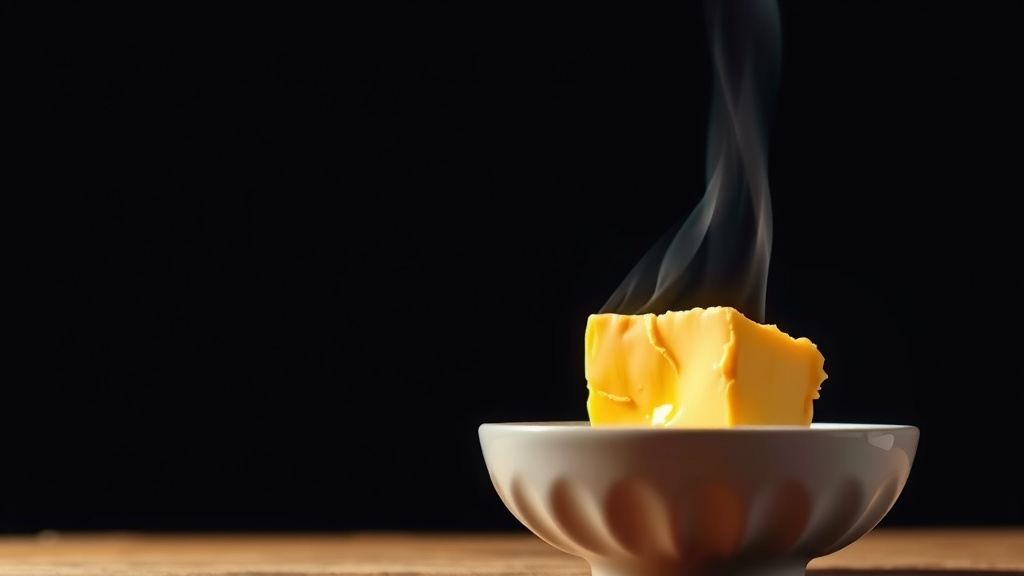
Butter is delicious, but it has a relatively low smoke point. This is primarily due to its composition. Butter is made of fat, but it also contains milk solids and water. These milk solids are what typically burn first, around 300-350°F (149-177°C).
The Dairy Dilemma
That creamy flavor in butter comes from the milk solids. Unfortunately, these solids are the weak link when it comes to heat. As soon as they reach their burning point, they turn brown and start smoking. This is why you often see butter burn easily when sautéing at medium-high heat.
Clarified Butter: A Higher Tolerance
There’s a way to raise butter’s smoke point, though! It’s called clarified butter, or ghee. When you clarify butter, you remove the milk solids and water. This leaves behind pure butterfat. Because there are no milk solids to burn, clarified butter has a much higher smoke point, often around 450-485°F (232-252°C). This makes it a better choice for searing or high-heat frying.
Olive Oil’s Smoke Point: A More Robust Choice
Olive oil, especially extra virgin olive oil (EVOO), generally has a higher smoke point than regular butter. This is because it’s a pure fat. It doesn’t contain the water and milk solids that cause butter to break down quickly.
Extra Virgin Olive Oil vs. Other Grades
The smoke point of olive oil can vary depending on its type. You’ll often see figures for extra virgin olive oil (EVOO) around 375-405°F (190-207°C). Other grades of olive oil, like virgin or refined olive oil, might have slightly higher smoke points because they have fewer impurities. However, EVOO is still a versatile choice for many cooking methods.
Why Olive Oil Handles Heat Better
The structure of olive oil, being almost entirely fat, allows it to withstand higher temperatures before it starts to smoke. This makes it a reliable option for everything from a quick pan-fry to roasting vegetables in a hot oven.
Comparing the Burn: When to Use What
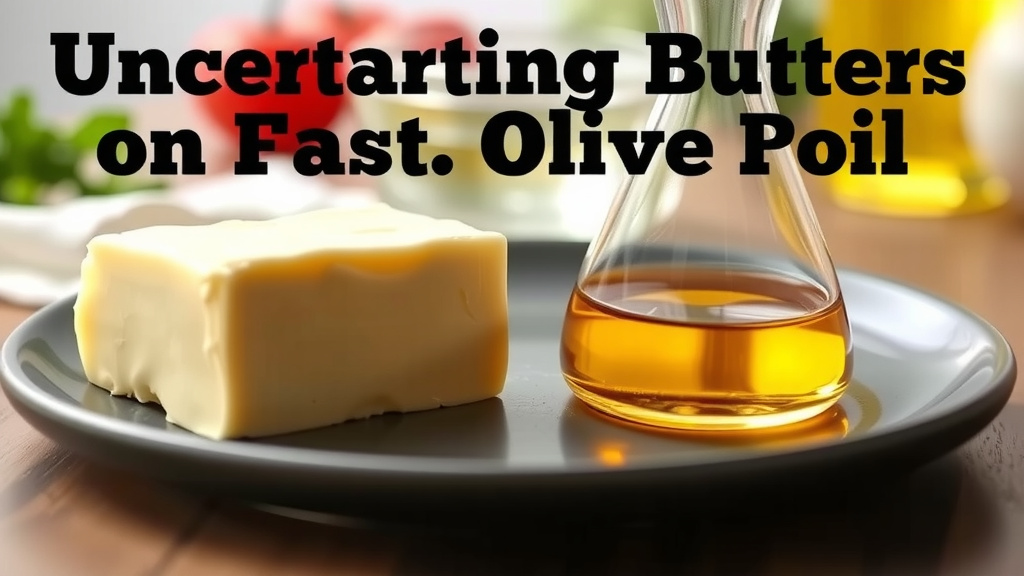
So, when should you reach for the butter, and when is olive oil the clear winner? It really depends on the heat you’re using.
Low to Medium Heat Cooking
For gentle cooking methods, like making a simple sauce, scrambling eggs, or sautéing vegetables on low heat, butter can be perfectly fine. Its flavor is often desirable in these scenarios. Just keep the heat moderate to avoid burning.
Medium-High to High Heat Cooking
This is where olive oil shines. Think searing steaks, stir-frying, or roasting. When you need a pan to get nice and hot without smoking excessively, olive oil is your friend. Using butter here would likely lead to burnt bits and an off-flavor.
| Fat Type | Typical Smoke Point (°F) | Typical Smoke Point (°C) | Best For |
|---|---|---|---|
| Butter | 300-350°F | 149-177°C | Low heat sautéing, baking, flavor enhancer |
| Clarified Butter (Ghee) | 450-485°F | 232-252°C | Searing, frying, high-heat cooking |
| Extra Virgin Olive Oil | 375-405°F | 190-207°C | Medium-high heat sautéing, roasting, dressings |
| Refined Olive Oil | 465°F | 240°C | High-heat frying, deep frying |
Flavor Considerations
Beyond heat, the taste each fat imparts is important. Butter adds a rich, creamy flavor that many people love. Olive oil, especially EVOO, brings a fruity, peppery, or grassy note. Consider which flavor profile best suits your dish.
Tips for Using Fats Wisely in Your Kitchen
To help you get the most out of your cooking fats, keep these simple tips in mind:
- Always watch your pan. If you see smoke, turn down the heat.
- When in doubt for high-heat cooking, reach for olive oil or clarified butter.
- Don’t overheat your fats; it’s better to be too cool than too hot.
- Store your oils and butter properly to maintain their quality.
- Consider the specific type of olive oil or butter you’re using.
- Taste matters! Choose fats that enhance your food’s flavor.
Conclusion
You now understand why your butter and olive oil behave so differently under heat. Remember, butter’s milk solids burn easily, leading to a lower smoke point. Olive oil, being pure fat, generally handles higher temperatures better. Knowing this difference helps you choose the right fat for your cooking method.
So, for that perfect sear or a quick sauté, reach for olive oil or clarified butter. For gentle baking or adding flavor to low-heat dishes, butter works wonderfully. Next time you cook, consider your pan’s temperature and pick the fat that will give you the best results.
Frequently Asked Questions
Can I substitute butter for olive oil in high-heat recipes?
Generally, no. Butter has a lower smoke point due to its milk solids, which will burn and create an unpleasant flavor. Olive oil, especially refined grades, is much better suited for high-heat cooking like searing or frying.
Does clarified butter have a higher smoke point than regular butter?
Yes, clarified butter (ghee) has a significantly higher smoke point. This is because the milk solids and water have been removed, leaving only pure butterfat, which is more heat-stable.
What happens if I heat olive oil past its smoke point?
When olive oil smokes, it begins to break down. This can impart a bitter, burnt taste to your food. It also means the oil is starting to degrade, potentially releasing unhealthy compounds.
Is extra virgin olive oil good for salad dressings?
Absolutely! Extra virgin olive oil is excellent for salad dressings. Its smoke point is high enough for light sautéing, but its fresh, fruity flavor is best enjoyed uncooked or with minimal heat.
Should I worry about the smoke point of butter when baking?
For most baking, butter’s smoke point isn’t a major concern because oven temperatures are often moderate and consistent. You’re not typically heating the butter to its smoking point in a pan. However, if a recipe involves melting butter and then cooking it at a higher heat, be mindful.

![7 Best Olive Oil Brand In Greece [2026]](https://bestpureessentialoils.com/wp-content/uploads/2026/09/7-best-olive-oil-brand-in-greece-2026-featured-768x432.jpg)
![7 Best Cold Pressed Olive Oil For Drinking [2026]](https://bestpureessentialoils.com/wp-content/uploads/2026/06/7-best-cold-pressed-olive-oil-for-drinking-2026-featured-768x432.jpg)
![7 Best Extra Virgin Olive Oil Amazon [2026]](https://bestpureessentialoils.com/wp-content/uploads/2026/08/7-best-extra-virgin-olive-oil-amazon-2026-featured-768x432.jpg)
![7 Best Crete Olive Oil [2026]](https://bestpureessentialoils.com/wp-content/uploads/2026/06/7-best-crete-olive-oil-2026-featured-768x432.jpg)
One Comment