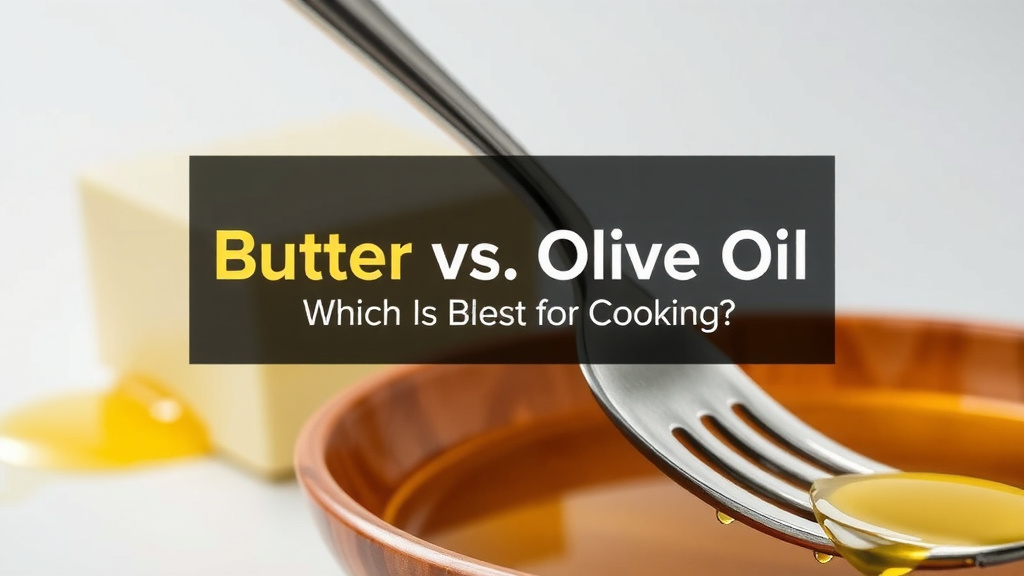
Clarified Butter vs Olive Oil: Which Is Best for Cooking
When deciding between clarified butter and olive oil, the best choice depends on your cooking method and flavor goals. Clarified butter, also known as ghee, is excellent for high-heat cooking because it has a higher smoke point and won’t burn easily. Olive oil is fantastic for flavor and lower-heat applications like dressings or sautéing.
Understanding their differences helps you make smarter kitchen choices. Both are popular cooking fats, but they behave very differently under heat and impart distinct tastes. Choosing the right one can truly transform your dishes, from a simple salad dressing to a perfectly seared steak. We’ve researched how they stack up.
- Clarified butter (ghee) is great for frying and searing due to its high smoke point.
- Olive oil offers rich flavor, ideal for dressings and lower-heat cooking.
- They have different nutritional profiles and tastes.
- Your recipe’s heat level and desired flavor will guide your pick.
Let’s break down exactly when and why you’d reach for one over the other.
“`htmlComparing Cooking Fats: Clarified Butter vs. Olive Oil
Choosing between clarified butter and olive oil is a common kitchen dilemma. You want the best results for your meals. We’ve dug into the details to help you decide. Both fats have their place, but they excel in different areas. Think of them as tools in your culinary toolbox; you wouldn’t use a hammer to screw in a nail, right?
Understanding Clarified Butter (Ghee)
Clarified butter, often called ghee, is butter with its milk solids and water removed. This process makes it very stable. It has a wonderful, rich, buttery flavor. You might be surprised by how versatile it is once you understand its properties.
What Happens When You Clarify Butter?
When you heat butter, the water evaporates. The milk solids separate and sink to the bottom. These solids can burn at lower temperatures. By carefully removing them, you’re left with pure butterfat. This pure fat is what gives ghee its special qualities.
The High Smoke Point Advantage
This is where clarified butter truly shines. Its smoke point is much higher than regular butter. We found that regular butter starts to smoke around 300-350°F (150-175°C). Clarified butter, however, can handle much higher temperatures, often reaching 450°F (232°C) or more. This makes it ideal for cooking methods that require intense heat.
Perfect for Searing and Frying
Because it doesn’t burn easily, clarified butter is your go-to for searing steaks or pan-frying chicken. You get a beautiful brown crust without the smoky mess. Many home cooks find that using ghee prevents their food from picking up that bitter, burnt taste. It keeps the flavor clean and delicious.
Nutritional Snapshot of Clarified Butter
Clarified butter is primarily pure fat. It contains saturated fat, as is common with butter. You won’t find much in the way of vitamins or minerals here, as they are mostly in the milk solids that are removed. However, its pure fat composition means it’s quite calorie-dense. For those watching their intake, this is something to keep in mind.
Exploring Olive Oil’s Charms
Olive oil comes from pressed olives. It’s a staple in many cuisines, especially Mediterranean. Its flavor profile is distinct and can really enhance dishes. There are different types of olive oil, and they behave differently in cooking. Our guide to the best extra virgin olive oils can help you choose one for the Mediterranean diet.
The Many Shades of Olive Oil
The most common types you’ll encounter are extra virgin olive oil (EVOO) and regular or pure olive oil. EVOO is the least processed. It’s made by crushing olives and extracting the oil. This method preserves its natural flavor, color, and beneficial compounds. Pure olive oil is typically a blend of refined olive oils and some virgin olive oil for flavor.
Flavor is King with Olive Oil
Extra virgin olive oil is prized for its vibrant, fruity, and sometimes peppery taste. We found that its flavor can range from mild to robust, depending on the olives and region. This flavor is what makes it so popular for finishing dishes, making dressings, or as a dip for bread. Regular olive oil has a milder flavor.
Smoke Point Considerations for Olive Oil
Here’s where olive oil needs a bit more care. Extra virgin olive oil has a lower smoke point, typically around 375-400°F (190-205°C). While this is sufficient for many cooking tasks like sautéing, it’s not ideal for very high-heat searing or deep-frying. Pure olive oil has a higher smoke point than EVOO, often around 400-410°F (205-210°C), making it a bit more forgiving for moderate-heat cooking.
Nutritional Benefits of Olive Oil
Olive oil is famous for its health benefits. It’s rich in monounsaturated fats, which are considered heart-healthy fats (NIH). It also contains antioxidants and vitamin E. These compounds are thought to contribute to its positive health effects. Many health organizations recommend incorporating olive oil into your diet.
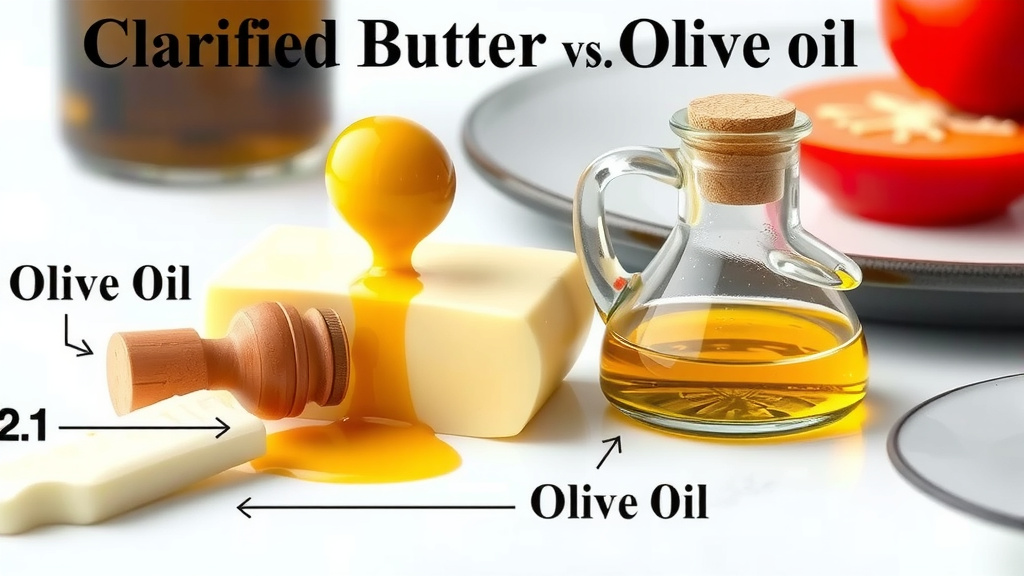
When to Use What: Making Your Choice
So, when do you grab the ghee and when do you reach for the olive oil? It really boils down to your cooking method and what you want your food to taste like.
High Heat vs. Flavor Focus
If you’re frying chicken, searing scallops, or cooking something at a very high temperature, clarified butter is likely your best bet. Its high smoke point prevents burning and keeps your food tasting pure. If you’re making a salad dressing, drizzling over roasted vegetables, or gently sautéing aromatics, olive oil is often the winner. Its flavor adds a wonderful dimension.
A Quick Comparison Table
| Feature | Clarified Butter (Ghee) | Olive Oil (Extra Virgin) |
|---|---|---|
| Primary Use | High-heat cooking, frying, searing | Dressings, sautéing, finishing dishes |
| Smoke Point | ~450°F (232°C) | ~375-400°F (190-205°C) |
| Flavor | Rich, buttery | Fruity, peppery, herbaceous |
| Key Fat Type | Saturated Fat | Monounsaturated Fat |
| Health Perception | Pure fat; use in moderation | Heart-healthy, antioxidant-rich |
Your Kitchen Checklist for Choosing
Here’s a quick way to decide:
- High Heat? Grab clarified butter.
- Flavor is Key? Reach for olive oil.
- Baking? Often clarified butter works well.
- Dressing? Olive oil is usually best.
- Sautéing? Either can work, depending on heat and flavor needs.
- Health Focus? Olive oil offers more recognized benefits.
Conclusion
You’ve seen how clarified butter and olive oil are distinct kitchen allies. Clarified butter, or ghee, is your best friend for high-heat searing and frying thanks to its stable, pure butterfat. Olive oil, particularly extra virgin, offers a flavor punch perfect for dressings and gentler cooking methods. We found that understanding their smoke points and flavor profiles makes choosing easy.
Your next step? Stock both in your pantry! Experiment with them in your cooking this week. See how each one transforms your favorite dishes and discover your new go-to for different culinary adventures.
Frequently Asked Questions
Can I substitute olive oil for clarified butter in any recipe?
You can, but be mindful of the smoke point. If the recipe calls for high heat, using olive oil might lead to burning and an off-flavor. For lower-heat sautéing or finishing, olive oil can be a good substitute, adding its unique taste.
Is clarified butter healthier than olive oil?
Olive oil is generally considered healthier due to its high content of monounsaturated fats and antioxidants, which are linked to heart health benefits. Clarified butter is pure fat, primarily saturated fat, and lacks the same recognized health perks.
Which one is better for baking?
Clarified butter often works well in baking. Its pure fat content can contribute to a tender texture in baked goods and provides a rich, buttery flavor without the risk of milk solids burning.
What does “smoke point” actually mean for cooking?
The smoke point is the temperature at which a fat or oil begins to break down and produce smoke. Cooking past this point can ruin the flavor of your food and release harmful compounds.
Can I make my own clarified butter at home?
Yes, you absolutely can! It’s a simple process of gently heating butter and skimming off the foam and separating the milk solids from the pure butterfat. Many home cooks find it easy and rewarding.

![7 Best Olive Oil For Dipping Bread [2026]](https://bestpureessentialoils.com/wp-content/uploads/2026/07/7-best-olive-oil-for-dipping-bread-2026-featured-768x432.jpg)
![7 Best Extra Virgin Olive Oil Uk [2026]](https://bestpureessentialoils.com/wp-content/uploads/2026/08/7-best-extra-virgin-olive-oil-uk-2026-featured-768x432.jpg)