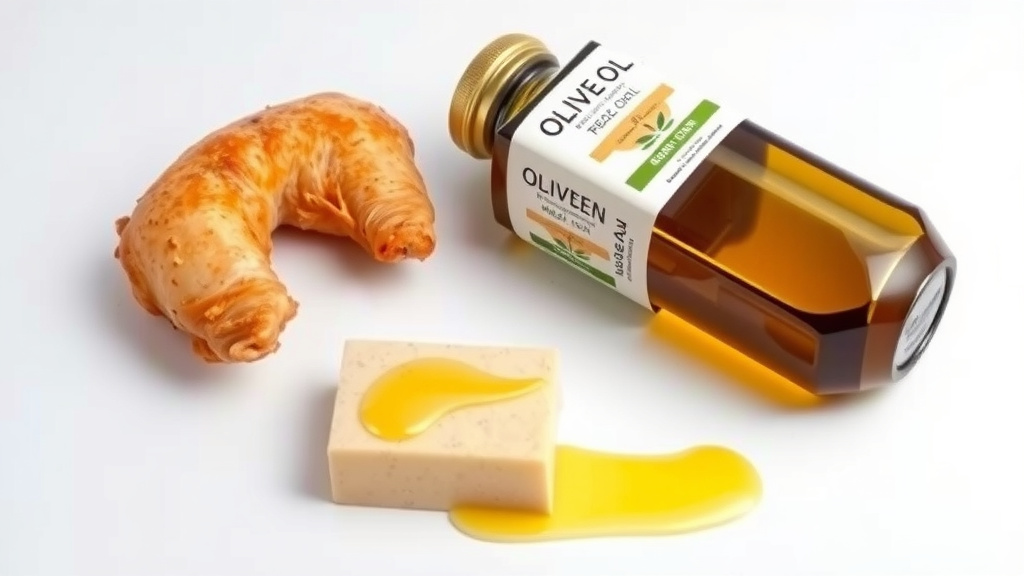
Chicken Fat vs Olive Oil: Which Is Healthier
When choosing between chicken fat and olive oil for cooking, olive oil is generally the healthier choice for everyday use due to its monounsaturated fats. Chicken fat, while flavorful, is primarily saturated fat, which we’re advised to limit. Both can be part of a balanced diet, but knowing their differences helps you cook smarter.
You might be wondering which fat to reach for when sautéing vegetables or roasting chicken. While both add deliciousness to your meals, they offer different nutritional profiles. Research shows that olive oil is rich in healthy fats and antioxidants, while chicken fat offers a unique savory taste but comes with more cholesterol and saturated fats.
- Olive oil is typically healthier for everyday cooking.
- Chicken fat offers great flavor but has more saturated fat.
- Consider your health goals when choosing cooking fats.
- Both can be enjoyed in moderation as part of a balanced diet.
Let’s break down the key differences between chicken fat and olive oil, and when you might want to use each one.
Chicken Fat vs. Olive Oil: What’s the Difference for Your Kitchen?
You’re standing in the kitchen, ready to cook. Which fat do you grab? Chicken fat or olive oil? It’s a common question. Both add flavor, but they behave differently. We’re here to help you understand these cooking companions. Let’s look at what makes them unique.
Understanding the Basics of Cooking Fats
Cooking fats are essential. They help transfer heat. They also add moisture and flavor. Choosing the right fat impacts your dish. It also affects the nutrition of your meal. Think of them as flavor enhancers and heat distributors.
What is Chicken Fat?
Chicken fat, also known as schmaltz, is rendered from chicken. It has a wonderfully savory flavor. Many cooks cherish it for its taste. It’s often used in traditional Jewish cuisine. It can also add depth to roasted vegetables. Some people save the fat from cooking chicken. They then use it in other dishes.
Nutritional Profile of Chicken Fat
Chicken fat is mostly made up of fats. Research shows it contains about 40% saturated fat. It also has a good amount of monounsaturated fat. There are smaller amounts of polyunsaturated fats. The U.S. Department of Agriculture (USDA) provides detailed nutritional data. It’s important to be aware of the saturated fat content. Health guidelines often recommend limiting saturated fat intake (CDC).
What is Olive Oil?
Olive oil comes from olives. It’s a staple in Mediterranean cooking. There are many types of olive oil. Extra virgin olive oil is the least processed. It retains more of its natural flavor and nutrients. Other types include virgin, refined, and light olive oil. For health benefits, extra virgin is often preferred.
Nutritional Profile of Olive Oil
Olive oil is primarily made of monounsaturated fats. This is a type of fat many health experts praise. It’s also rich in antioxidants. These compounds can help protect your body. Studies have linked olive oil consumption to various health benefits (NIH). The high monounsaturated fat content is a key distinction. Olive oil is primarily made of monounsaturated fats.
Comparing Fat Content and Smoke Points
When you cook, how these fats behave matters. Their fat composition and how they react to heat are key. This helps determine what they are best used for.
Fat Composition: Saturated vs. Monounsaturated
This is where they differ most. Chicken fat leans towards saturated fats. Think of butter or lard; they are also high in saturated fat. Olive oil, especially extra virgin, is rich in monounsaturated fats. Monounsaturated fats are considered heart-healthy fats. They can help improve cholesterol levels. This is a major difference for everyday cooking. Many health organizations suggest focusing on monounsaturated and polyunsaturated fats over saturated fats (Mayo Clinic).
Smoke Points: What’s Happening Under Heat?
The smoke point is the temperature at which a fat starts to smoke. Once it smokes, it can break down. This can create harmful compounds. It also affects the flavor of your food. Generally, refined oils have higher smoke points. Less refined oils have lower smoke points but more flavor and nutrients.
Chicken Fat’s Smoke Point
Rendered chicken fat typically has a smoke point around 250-375°F (121-190°C). This range can vary depending on how well it’s rendered. It’s suitable for many cooking methods. Sautéing, pan-frying, and roasting are common uses. It’s not usually ideal for very high-heat searing.
Olive Oil’s Smoke Point
Extra virgin olive oil has a lower smoke point, around 375-405°F (190-207°C). Refined olive oils can have much higher smoke points, similar to vegetable oils. For healthy cooking, using extra virgin olive oil below its smoke point is best. It’s great for salad dressings, sautéing at medium heat, and light pan-frying.
Flavor Profiles and Culinary Uses
Beyond nutrition, how do they taste? And what dishes do they shine in? This is where personal preference really comes into play.
The Savory Appeal of Chicken Fat
Chicken fat has a distinct, rich, savory flavor. It’s often described as umami. This makes it fantastic for enhancing roasted potatoes. It can also make chicken skin extra crispy. Many chefs use it to add depth to stocks and gravies. If you want that classic, comforting flavor, chicken fat is a great choice.
The Versatile Taste of Olive Oil
Olive oil offers a spectrum of flavors. Extra virgin olive oil can be peppery, fruity, or grassy. Lighter olive oils have a more neutral taste. This makes them very adaptable. They work well in both sweet and savory dishes. They are the go-to for vinaigrettes and marinades. They also won’t overpower delicate ingredients.
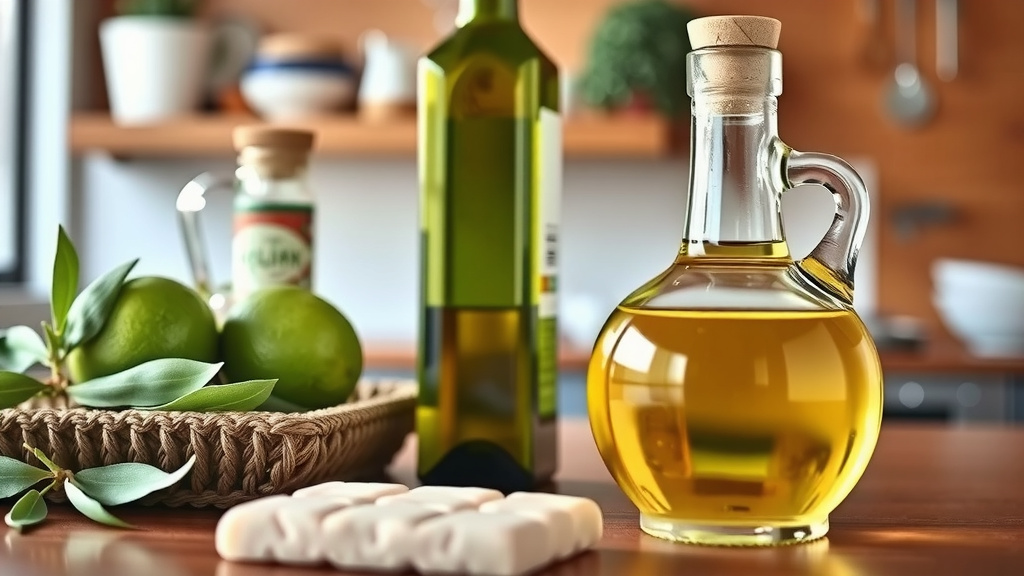
When to Choose Which Fat
So, when does it make sense to reach for one over the other? Let’s break it down.
Reaching for Olive Oil
- Everyday Sautéing: For vegetables and lighter proteins, olive oil is a healthy, flavorful choice.
- Salad Dressings: Extra virgin olive oil is perfect for vinaigrettes.
- Baking: In some baked goods, olive oil can replace butter or other fats.
- Drizzling: A final drizzle of good quality olive oil adds flavor and richness.
- General Health Focus: If you’re aiming to increase healthy fats, olive oil is a top pick.
When Chicken Fat Shines
- Roasting Vegetables: Especially root vegetables like potatoes or Brussels sprouts.
- Crispy Chicken Skin: Brush it on chicken before roasting for extra crispiness.
- Traditional Recipes: For dishes where a rich, savory flavor is desired.
- Adding Depth to Stocks: It can enrich the flavor base of soups and stews.
A Quick Guide for Your Kitchen Counter
Here’s a simple checklist to help you decide:
- Are you making a salad dressing? -> Olive Oil
- Do you want super crispy roasted potatoes? -> Chicken Fat
- Are you focused on healthy monounsaturated fats? -> Olive Oil
- Does your recipe call for a rich, savory taste? -> Chicken Fat
- Are you cooking at very high heat? -> Consider a refined oil or shortening, but olive oil can work medium heat.
- Do you want to use up chicken drippings? -> Chicken Fat
Conclusion
You now have a clearer picture of chicken fat versus olive oil. Remember, olive oil is your go-to for everyday healthy cooking. Its monounsaturated fats and antioxidants support your well-being. Chicken fat, while delicious, offers a richer flavor profile but comes with more saturated fat. Think of it as a special ingredient for specific dishes. You can enjoy both in moderation. Make informed choices based on your health goals and recipe needs. Happy cooking!
Frequently Asked Questions
Is chicken fat bad for you?
Chicken fat isn’t inherently “bad,” but it is higher in saturated fat than olive oil. Health guidelines suggest limiting saturated fat intake. Enjoying it in moderation, especially for its flavor, can be part of a balanced diet.
Can I use olive oil for high-heat cooking like searing?
Extra virgin olive oil has a moderate smoke point and is best for lower to medium heat. For high-heat searing, a refined olive oil or another oil with a higher smoke point might be a better choice to prevent burning.
What’s the main health benefit of olive oil?
The primary health benefit of olive oil comes from its high content of monounsaturated fats. These healthy fats are linked to improved heart health and can help manage cholesterol levels.
How can I make chicken fat healthier?
You can’t change its fundamental fat composition, but you can use it judiciously. Focus on using smaller amounts for maximum flavor impact, rather than as your primary cooking fat for every meal.
Which fat is better for weight loss?
Neither fat is a magic bullet for weight loss on its own. However, olive oil’s healthy fats can contribute to satiety, potentially helping you feel fuller for longer. Overall diet and calorie balance are most important.

![7 Best Moroccan Olive Oil [2026]](https://bestpureessentialoils.com/wp-content/uploads/2026/09/7-best-moroccan-olive-oil-2026-featured-768x432.jpg)
![7 Best High End Olive Oil [2026]](https://bestpureessentialoils.com/wp-content/uploads/2026/08/7-best-high-end-olive-oil-2026-featured-768x432.jpg)