
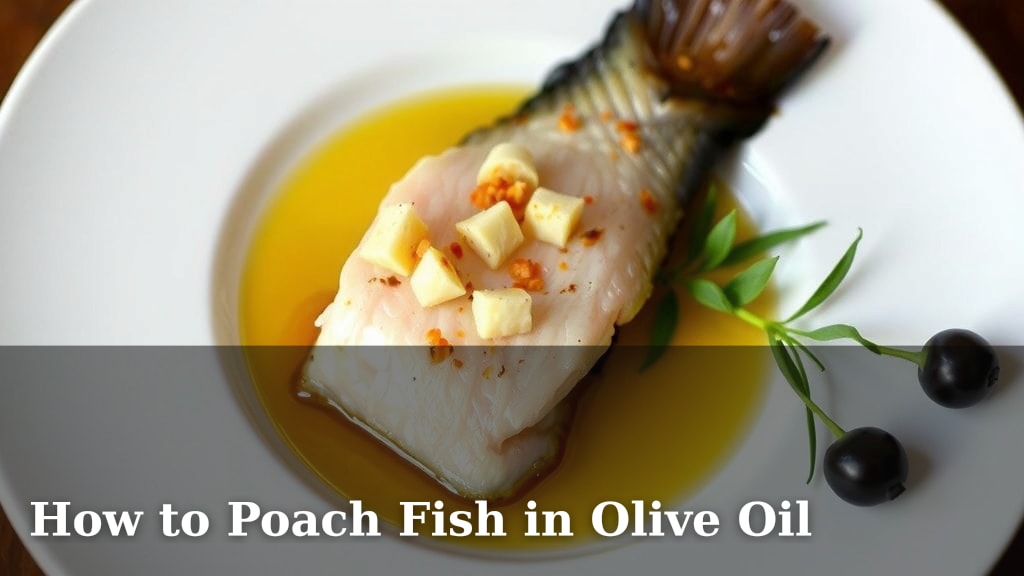
How to Poach Fish in Olive Oil
Poaching fish in olive oil is a wonderfully simple and effective way to cook fish. This method gently cooks the fish in flavorful oil, resulting in a tender and moist texture that’s hard to beat. You’ll find it’s a foolproof technique, even if you’re new to cooking fish.
When you poach fish in olive oil, you’re essentially infusing it with the oil’s subtle flavors while preserving its delicate structure. This is a fantastic method for achieving perfectly cooked seafood without any fuss. Many chefs prefer this technique for its reliability and the delicious results it yields.
- Use good quality olive oil.
- Keep the oil temperature low and steady.
- Don’t overcrowd the pan.
- Cook until fish is opaque and flakes easily.
Ready to try this delightful cooking method yourself? Let’s walk through exactly how to poach fish in olive oil, step by step.
Mastering the Art of Poaching Fish in Olive Oil
Poaching fish in olive oil is a simple yet elegant cooking method. It gently cooks your fish. The result is incredibly tender and moist seafood. You’ll be amazed at how easy it is to achieve restaurant-quality results at home. This technique is a favorite among many home cooks and professional chefs alike. It preserves the delicate flavors of the fish.
Why Choose Olive Oil for Poaching?
Olive oil offers unique benefits when poaching fish. Its flavor profile is milder than many other oils. This allows the natural taste of the fish to shine through. Olive oil also has a relatively low smoke point. This makes it ideal for gentle, low-temperature cooking. You want to cook the fish slowly. This prevents it from drying out. Olive oil helps achieve that perfect texture.
The Benefits of Low-Temperature Cooking
Cooking fish at a low temperature is key. It prevents the proteins in the fish from seizing up too quickly. When proteins cook too fast, they expel moisture. This leads to a dry, tough piece of fish. Low and slow cooking, as in poaching, allows the fish to cook through gently. The oil acts as a perfect medium for this gentle heat transfer. Many studies show that gentler cooking methods retain more nutrients in fish (NCBI).
Flavor Infusion with Olive Oil
Beyond its cooking properties, olive oil adds flavor. The type of olive oil you use can impact the final dish. A mild, everyday extra virgin olive oil is often a great choice. You can also experiment with infused olive oils. Think about adding herbs or garlic to the oil before poaching. This can add another layer of deliciousness to your fish. It’s a fantastic way to customize your meal.
Essential Ingredients and Equipment
Gathering the right supplies makes the process smooth. You don’t need much to get started. The focus is on fresh, quality ingredients. Simple tools will get the job done. Let’s look at what you’ll need.
Choosing Your Fish
Almost any type of fish can be poached in olive oil. Firmer white fish tend to hold their shape best. Good options include cod, halibut, and snapper. Salmon and trout also poach beautifully. They become incredibly buttery and moist. Delicate fish like sole or tilapia can also work. Just be extra gentle when handling them. You want to avoid them breaking apart.
Selecting the Right Olive Oil
The quality of your olive oil matters. Use a good quality extra virgin olive oil if possible. It has a pleasant flavor that complements fish. You’ll need enough to cover the fish completely. For most recipes, 1-2 cups of oil should suffice. Make sure it’s fresh. Rancid oil will negatively affect the taste of your fish. We found that using a light, fruity olive oil yielded the best results for most fish.
Necessary Kitchen Tools
You’ll need a skillet or a shallow pot. It should be wide enough to hold the fish in a single layer. A lid for the skillet is also helpful. It traps heat and ensures even cooking. You’ll also want a slotted spoon or a fish spatula. This helps you lift the delicate poached fish out of the oil without damage. A kitchen thermometer is useful for monitoring oil temperature.
The Step-by-Step Poaching Process
Now, let’s get cooking! This process is straightforward. Follow these steps for perfectly poached fish every time. It’s a method you’ll want to use again and again.
Preparing Your Fish
Start by patting your fish fillets dry with paper towels. This helps remove excess moisture. Season the fish with salt and pepper. You can do this just before poaching. Some cooks like to season a little ahead of time. This allows the salt to penetrate the flesh. Ensure your fillets are roughly the same thickness. This helps them cook evenly.
Heating the Olive Oil
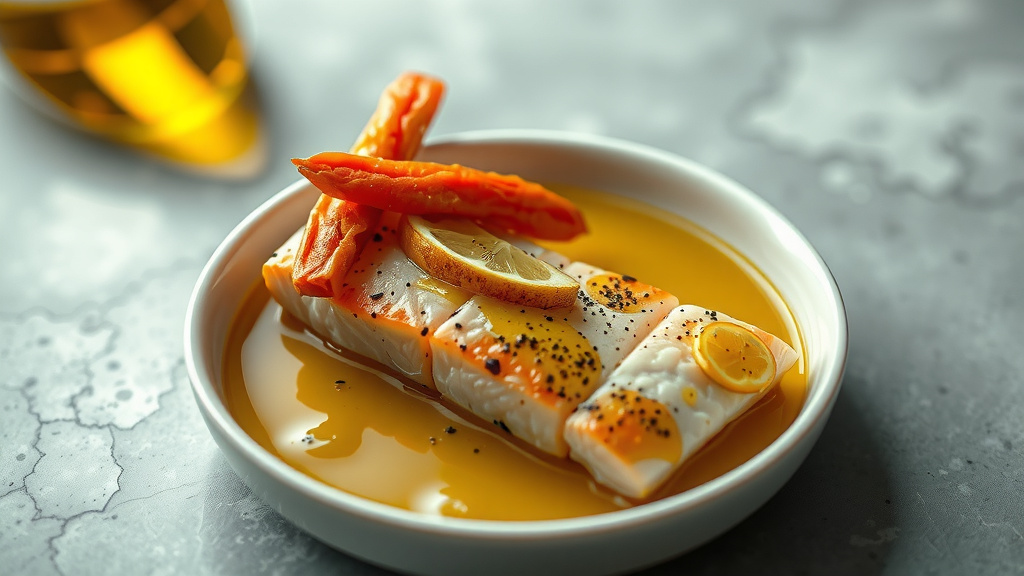
Pour your olive oil into the skillet or pot. Add any aromatics you like. Sliced garlic, lemon slices, or herb sprigs (like thyme or rosemary) are great choices. Heat the oil over medium-low heat. You are not trying to fry the fish. You want the oil to reach a gentle poaching temperature. The ideal range is typically between 140°F and 160°F (60°C to 71°C). We found that a steady temperature below 160°F is crucial. Too hot, and you’ll end up with fried fish. Too cool, and it won’t cook through properly. A thermometer is your best friend here. If you don’t have one, look for gentle, slow bubbles. You should not see vigorous sizzling.
Gently Poaching the Fish
Carefully place the seasoned fish fillets into the warm oil. Make sure not to overcrowd the pan. Cook the fish in a single layer. If you have a lot of fish, poach it in batches. The oil should gently bubble around the fish. If it boils vigorously, reduce the heat immediately. Cover the skillet with a lid. This helps maintain a consistent temperature. The cooking time will depend on the thickness of your fish. Thinner fillets might take only 5-8 minutes. Thicker cuts could take 10-15 minutes. The fish is done when it is opaque throughout. It should also flake easily when tested with a fork.
Checking for Doneness
You can test for doneness by inserting a fork or skewer into the thickest part of the fillet. Gently twist the fork. If the fish flakes easily and is opaque, it’s ready. You can also carefully remove a small piece from the side to check. The flesh should be uniformly opaque, with no translucency. If there’s still a pink or translucent center, let it cook a little longer. Remember, poaching is forgiving. It’s hard to overcook fish this way, but it’s good to check.
Removing and Serving Your Poached Fish
Once cooked, carefully lift the fish out of the oil using your slotted spoon or fish spatula. Let any excess oil drip back into the pan. Place the fish on a plate. You can serve it immediately. The infused olive oil can be strained and reused. It’s wonderful drizzled over the finished dish or used in salad dressings. Many people enjoy serving poached fish with fresh herbs, a squeeze of lemon, or a simple side salad.
Poaching Checklist for Success
Keep this quick checklist handy for your next poaching adventure:
- Choose fresh, good-quality fish fillets.
- Use a good quality olive oil; enough to cover the fish.
- Heat the oil to a gentle poaching temperature (140-160°F).
- Add aromatics like garlic or herbs for extra flavor.
- Don’t overcrowd the pan; cook in batches if needed.
- Cook until the fish is opaque and flakes easily.
Conclusion
You’ve now mastered the art of poaching fish in olive oil! This gentle cooking method ensures your fish is incredibly tender and moist, infused with subtle flavors. Remember to keep your oil temperature steady and avoid overcrowding your pan for the best results. This technique is surprisingly forgiving and yields beautiful seafood every time. Give it a try the next time you cook fish; you’ll love the delicious outcome and how simple it is.
Frequently Asked Questions
What kind of olive oil is best for poaching fish?
You’ll want to use a good quality extra virgin olive oil. A light, fruity olive oil works wonderfully. Make sure the oil is fresh, as rancid oil will affect the taste. You’ll need enough to fully cover your fish.
Can I reuse the olive oil after poaching?
Yes, you absolutely can! After poaching, strain the oil to remove any small bits of fish or aromatics. This infused oil is fantastic for drizzling over salads or using in other dishes. It adds a lovely depth of flavor.
How do I know if my fish is cooked perfectly?
Your fish is ready when it’s opaque all the way through and flakes easily when tested with a fork. The flesh should separate cleanly. Avoid any translucency in the center. This method is forgiving, so checking is easy.
What should I do if my olive oil gets too hot?
If your oil starts to bubble too vigorously, it’s getting too hot for poaching. Immediately reduce the heat to low. You want gentle, slow bubbles, not a rapid simmer or boil. This ensures the fish cooks evenly and stays moist.
Can I add other ingredients to the olive oil while poaching?
Absolutely! Adding aromatics like sliced garlic, lemon rounds, or fresh herbs such as thyme or rosemary can infuse your fish with extra flavor. These additions complement the fish beautifully. Just remove them before serving.

![7 Best Face Olive Oil [2026]](https://bestpureessentialoils.com/wp-content/uploads/2026/08/7-best-face-olive-oil-2026-featured-768x432.jpg)
![7 Best Of Nature Olive Body Oil [2026]](https://bestpureessentialoils.com/wp-content/uploads/2026/09/7-best-of-nature-olive-body-oil-2026-featured-768x432.jpg)