Butter vs Olive Oil for Steak: The Best Choice for Flavor
When cooking steak, olive oil is generally a better choice than butter. While butter can add delicious flavor, its low smoke point means it can burn easily at the high temperatures needed for searing steak. Olive oil, especially extra virgin, can handle the heat better, resulting in a nicer crust.
Both fats have their place in the kitchen, and understanding their properties helps you make the best choice for your meal. Olive oil provides a healthy fat source. Butter offers a rich, creamy taste. Knowing which one to use for your steak can seriously improve its texture and flavor.
- Olive oil is typically better for searing steak due to its higher smoke point.
- Butter can burn at high steak-searing temperatures.
- Butter can add great flavor, but might be better for finishing.
- Extra virgin olive oil is often recommended for its flavor and heat tolerance.
- Consider your steak’s thickness and desired crust.
So, let’s break down exactly why olive oil often wins out for that perfect steak sear, and when butter might still sneak in for a flavor boost.
“`htmlOlive Oil vs. Butter for Searing Your Steak
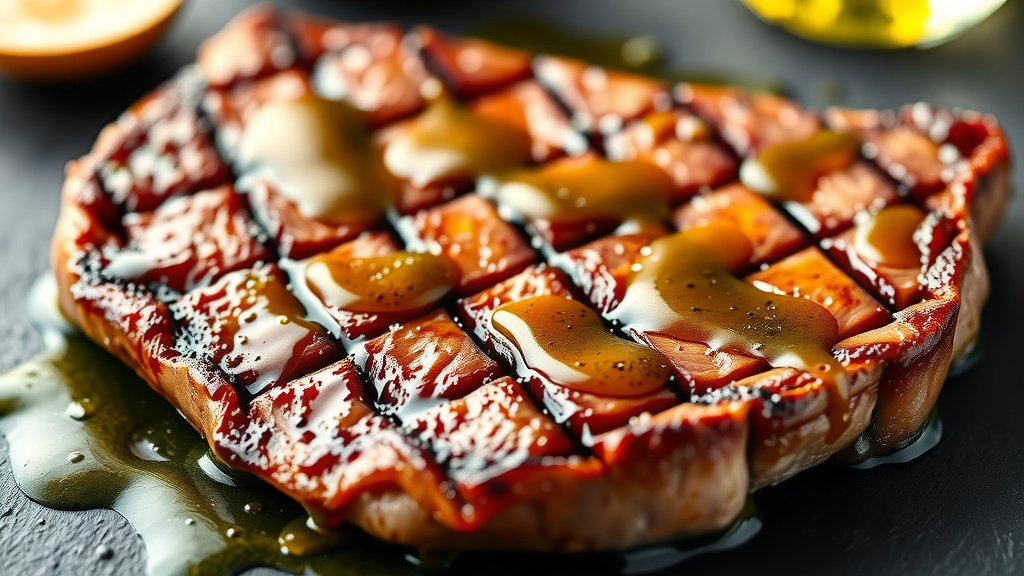
When you’re aiming for that perfect steak sear, the fat you choose matters. You want a beautiful, caramelized crust. You also want a steak that’s cooked just right inside. So, should you reach for the butter or the olive oil? We’ve researched this, and generally, olive oil has the edge for the initial searing process.
Understanding Smoke Points: The Key Difference
The biggest factor separating butter and olive oil for steak is their smoke point. This is the temperature at which a fat begins to break down and smoke. When fat smokes, it can impart a bitter, burnt flavor to your food. It also means the fat is starting to degrade and lose its beneficial properties.
What’s the Smoke Point of Butter?
Butter is mostly fat, but it also contains milk solids. These milk solids are what burn at lower temperatures. Regular butter has a smoke point around 300-350°F (150-175°C). This isn’t very high, especially for the heat needed to sear a steak properly, which is often 400°F (204°C) or higher.
What’s the Smoke Point of Olive Oil?
Olive oil, particularly extra virgin olive oil (EVOO), has a higher smoke point. You’re typically looking at 375-405°F (190-207°C) for EVOO. Refined olive oils, like pure or light olive oil, can have even higher smoke points, sometimes exceeding 450°F (232°C). This makes them much more forgiving when you’re cooking at high heat.
Why Olive Oil Excels for Searing
Because olive oil can handle higher temperatures without burning, it’s ideal for creating that coveted steak crust. When you heat olive oil in your pan, it stays stable. This allows the steak’s surface to caramelize beautifully. You get a rich, brown, and delicious exterior. Plus, many studies suggest that olive oil is a heart-healthy fat, rich in monounsaturated fats (Harvard T.H. Chan School of Public Health).
Using olive oil means you’re less likely to end up with a smoky kitchen and a bitter-tasting steak. You can confidently crank up the heat to get that perfect sear. This is especially true for thicker cuts of steak. They need that intense heat to develop a good crust before the inside overcooks.
When Butter Might Seem Tempting (and When It’s Okay)
Butter has a wonderful flavor. It adds a rich, creamy taste that many people love. You’ve probably seen chefs basting steaks with butter, garlic, and herbs towards the end of cooking. This is a fantastic technique, but it’s usually done off direct high heat.
Butter for Finishing, Not Searing
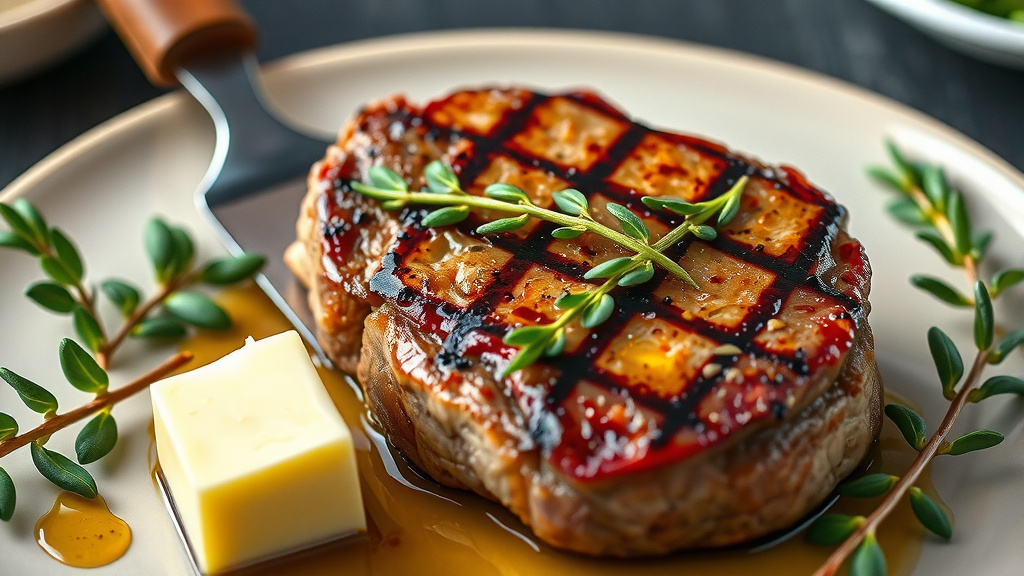
Many culinary experts recommend adding butter to the pan after you’ve achieved your desired sear with a higher smoke point oil. You can then tilt the pan and spoon the melted, flavored butter over the steak. This is called basting. This method allows you to enjoy butter’s flavor without its tendency to burn during the initial high-heat sear.
Clarified Butter: A Different Story
There is a way to make butter more heat-stable: clarify it. Clarified butter, also known as ghee, has had the milk solids removed. This significantly raises its smoke point to around 450°F (232°C). So, clarified butter can actually be a great option for searing steak. It gives you that rich butter flavor with the heat tolerance you need.
Comparing the Fats for Steak Cooking
Let’s put it side-by-side to make it easy. Here’s a quick look at how butter and olive oil stack up for your steak.
| Fat Type | Primary Use for Steak | Smoke Point | Flavor Profile | Key Benefit |
|---|---|---|---|---|
| Butter | Basting/Finishing (after searing) | Low (300-350°F) | Rich, creamy | Adds decadent flavor |
| Extra Virgin Olive Oil | Searing | Medium-High (375-405°F) | Fruity, peppery | Great for crust development |
| Refined Olive Oil | Searing | High (up to 450°F+) | Neutral | Highly heat-stable |
| Clarified Butter (Ghee) | Searing | High (around 450°F) | Buttery, nutty | Butter flavor with high heat tolerance |
Making the Choice for Your Steak
So, which fat should you use? It really depends on your goal. If your priority is achieving a perfect, evenly browned crust with minimal risk of burning, olive oil is your best bet. It’s forgiving and allows you to focus on getting that steak just right.
If you’re looking to add a luxurious, buttery finish, use butter (or clarified butter) towards the end of cooking. Many home cooks find a combination works wonders: sear with olive oil, then add a knob of butter and aromatics like garlic and thyme for basting in the last minute or two.
Consider the thickness of your steak, too. Thinner steaks cook quickly, and a high smoke point oil is essential to avoid overcooking the interior before the exterior is seared. Thicker steaks give you more time, making the choice of fat slightly less critical, but high heat tolerance is still beneficial.
Tips for Cooking Steak with Oil or Butter
No matter which fat you choose, a few tips can help you achieve steak perfection. Make sure your pan is properly preheated. A screaming hot pan is key to a good sear. Pat your steak completely dry before adding it to the pan. This helps create steam, which hinders crust formation.
Don’t overcrowd the pan. If you’re cooking multiple steaks, give them space. Overcrowding lowers the pan temperature and causes the steaks to steam instead of sear. Lastly, let your steak rest after cooking. This allows the juices to redistribute, resulting in a more tender and flavorful bite.
Your Steak Cooking Checklist
- Choose a fat with a high enough smoke point for searing.
- Preheat your pan thoroughly before adding fat.
- Pat your steak completely dry for the best crust.
- Sear on high heat until a deep brown crust forms.
- Consider adding butter for flavor in the final stages.
- Let your steak rest before slicing and serving.

![7 Best Olive Oil [2026]](https://bestpureessentialoils.com/wp-content/uploads/2026/07/7-best-olive-oil-2026-featured-768x432.jpg)