Butter vs Olive Oil for Eggs: Which Reigns Supreme
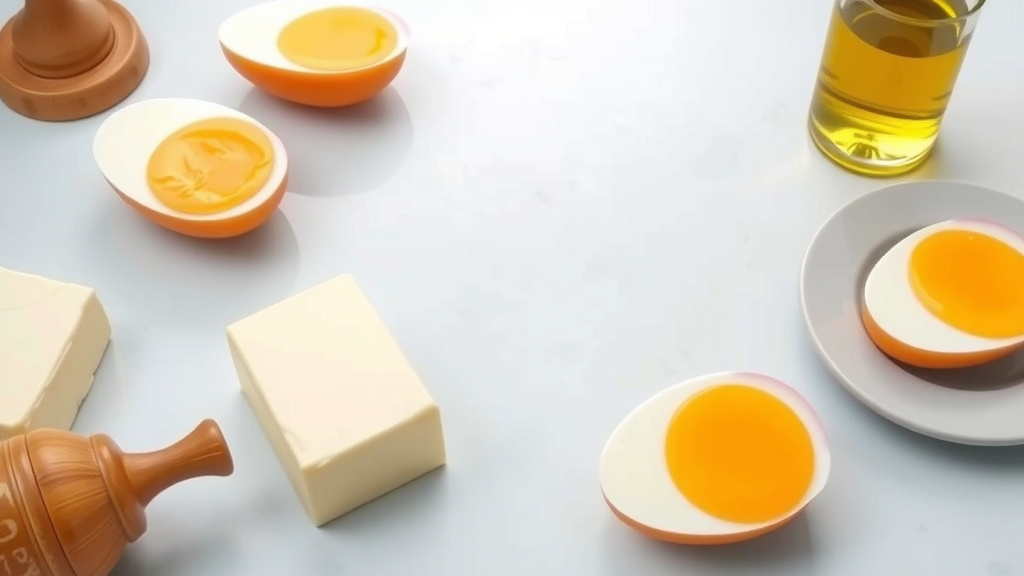
When cooking your eggs, both butter and olive oil work well, but they offer different flavors and cooking experiences. For a classic, rich taste and excellent browning, butter is a popular choice. Olive oil provides a lighter, sometimes fruity note and is a healthier option, making it great for everyday cooking.
Choosing between butter and olive oil for your eggs often comes down to personal preference and what you’re aiming for in terms of flavor and health. We found that the oil’s smoke point can also play a role in how your eggs turn out. Both can help prevent sticking, but the resulting taste can be quite distinct.
- Butter offers a rich, classic flavor.
- Olive oil adds a lighter, sometimes fruity taste.
- Olive oil is generally considered a healthier fat.
- Butter can brown and add a lovely crust to eggs.
- Your choice depends on your taste and health goals.
Let’s break down the pros and cons of using butter versus olive oil when you’re whipping up your next batch of scrambled eggs, omelets, or fried eggs.
“`htmlCooking Your Eggs: Butter or Olive Oil?
Deciding whether to reach for the butter or the olive oil for your eggs can really change your breakfast game. You’re probably wondering which one is truly better. We’ve looked into it, and the answer depends on what you’re going for. Both make your eggs taste great and prevent sticking, but the subtle differences matter.
The Case for Butter: Richness and Browning
Butter brings a certain classic richness to eggs that many people love. Its dairy fats create a wonderful flavor. It melts beautifully in the pan. This makes it a favorite for many home cooks. It’s like a hug for your eggs!
Flavor Profile of Butter
When you cook eggs in butter, you get a distinctly creamy and savory taste. It’s a flavor that many associate with comfort food and traditional cooking. This richer taste can make simple eggs feel a bit more decadent. We found that the natural sugars in butter also help with browning, adding another layer of flavor.
The Maillard Reaction: Butter’s Browning Power
Ever notice how butter-fried eggs get those lovely crispy, brown edges? That’s the Maillard reaction in action. Butter’s milk solids caramelize at lower temperatures than pure oil. This browning adds a fantastic texture and a nutty, slightly sweet flavor. It’s especially great for fried eggs or crispy omelets. Many chefs use butter for this exact reason (The Culinary Institute of America).
When Butter Shines Brightest
Butter is a fantastic choice if you’re aiming for a luxurious texture and a deeply satisfying flavor. It’s perfect for weekend brunches or when you want to treat yourself. It works wonderfully with scrambled eggs, giving them a tender, melt-in-your-mouth quality. For omelets, it helps create a soft, pillowy finish.
The Appeal of Olive Oil: Lighter Flavors and Health
Olive oil offers a different set of advantages for cooking eggs. It’s often seen as a healthier fat option. It also brings a lighter, sometimes fruity, note to your dish. This makes it a versatile choice for everyday meals.
Flavor Nuances of Olive Oil
Unlike butter’s creamy richness, olive oil can add a subtle fruity or peppery note. The flavor depends on the type of olive oil you use. Extra virgin olive oil, for instance, has a more pronounced taste. It can complement eggs without overpowering them. We found that a mild olive oil is best if you’re new to using it for eggs.
Healthier Fats: What the Science Says
Olive oil is renowned for its health benefits. It’s a key component of the Mediterranean diet. It’s rich in monounsaturated fats, which are considered heart-healthy. These fats can help lower bad cholesterol levels (National Institutes of Health). When you choose olive oil, you’re opting for a fat that’s good for your overall well-being.
Smoke Points and Cooking Temperatures
Understanding smoke points is key. Butter has a lower smoke point (around 300-350°F or 150-175°C) than most olive oils. Extra virgin olive oil typically smokes around 375-405°F (190-207°C). This means butter can burn more easily if your pan is too hot. Olive oil can handle slightly higher heat without breaking down and smoking. This makes it more forgiving for beginners or for faster cooking.
| Feature | Butter | Olive Oil |
|---|---|---|
| Flavor | Rich, creamy, savory | Lighter, sometimes fruity or peppery |
| Browning | Excellent, adds crisp edges | Moderate, less browning |
| Smoke Point | Lower (prone to burning) | Higher (more forgiving) |
| Health Profile | Contains saturated fat | Rich in monounsaturated fats |
| Best For | Rich flavor, crispy edges, comfort food | Everyday cooking, lighter taste, health-conscious |
When Olive Oil is Your Go-To
Olive oil is a great choice for daily cooking. It’s fantastic for a quick scramble or a light omelet. If you’re watching your fat intake or looking for heart-healthy options, it’s a winner. We found that it works particularly well with Mediterranean-inspired egg dishes, like adding some feta cheese and spinach.
Making Your Final Decision: What’s Your Goal?
So, should you use butter or olive oil for your eggs? It really comes down to your personal preference and what you want from your meal. Are you craving that decadent, rich flavor and crispy edges? Butter might be your champion. Or are you looking for a lighter taste, a health boost, and more cooking flexibility? Olive oil could be the perfect fit.
Your Quick Egg Cooking Checklist
- Consider the flavor you desire (rich vs. light).
- Think about the health benefits you’re seeking.
- Check the heat of your pan – avoid burning butter.
- Experiment with different types of olive oil.
- Don’t be afraid to try both and see what you prefer!
- Remember, even a simple egg dish can be transformed.
Ultimately, both butter and olive oil are excellent choices for cooking your eggs. They each bring their own unique qualities to the pan. Trying them out side-by-side is the best way to discover your favorite. You might even find you prefer one for scrambled eggs and another for fried eggs!
“`Conclusion
You now understand that both butter and olive oil bring unique benefits to your eggs. Butter offers that beloved richness and helps create delightful crispy edges. Olive oil provides a lighter flavor and excellent health advantages for your everyday meals. Your choice truly hinges on the taste you crave and your wellness goals. We encourage you to experiment with both in your kitchen. See which one best suits your morning routine and your palate!
Frequently Asked Questions
Can I use extra virgin olive oil for high-heat egg cooking?
Yes, you can, but be mindful of the heat. Extra virgin olive oil has a higher smoke point than butter, making it more forgiving. However, if your pan is extremely hot, even EVOO can start to smoke. For best results, use a light or regular olive oil for very high heat, or keep your pan at a medium-high temperature.
Will olive oil make my eggs taste like olives?
It depends on the olive oil! Extra virgin olive oils can have a noticeable fruity or peppery flavor that might come through in your eggs. If you prefer a more neutral taste, opt for a lighter or “pure” olive oil, which has a milder flavor profile. You might find it a pleasant, subtle addition.
Is butter or olive oil better for scrambled eggs?
For scrambled eggs, many people prefer butter for its ability to create a wonderfully creamy and tender texture. We found that the fat in butter helps make them extra luscious. However, if you’re looking for a lighter option or want to avoid dairy, a mild olive oil works perfectly well for delicious scrambled eggs too.
Which is healthier for cooking eggs every day?
Olive oil is generally considered the healthier choice for daily cooking due to its high content of monounsaturated fats, which are heart-healthy. While butter has its place, it’s higher in saturated fat. Choosing olive oil most days can support a more heart-conscious diet, according to health organizations.
Can I use butter and olive oil together for cooking eggs?
Absolutely! Combining butter and olive oil can give you the best of both worlds. You can get some of the rich flavor from the butter and the higher smoke point and lighter notes from the olive oil. This combination can prevent the butter from burning too quickly while still adding that desirable buttery taste.


![7 Best Olive Oil To Drink Daily [2026]](https://bestpureessentialoils.com/wp-content/uploads/2026/07/7-best-olive-oil-to-drink-daily-2026-featured-768x432.jpg)
![7 Best Olive Oil Awards [2026]](https://bestpureessentialoils.com/wp-content/uploads/2026/09/7-best-olive-oil-awards-2026-featured-768x432.jpg)