
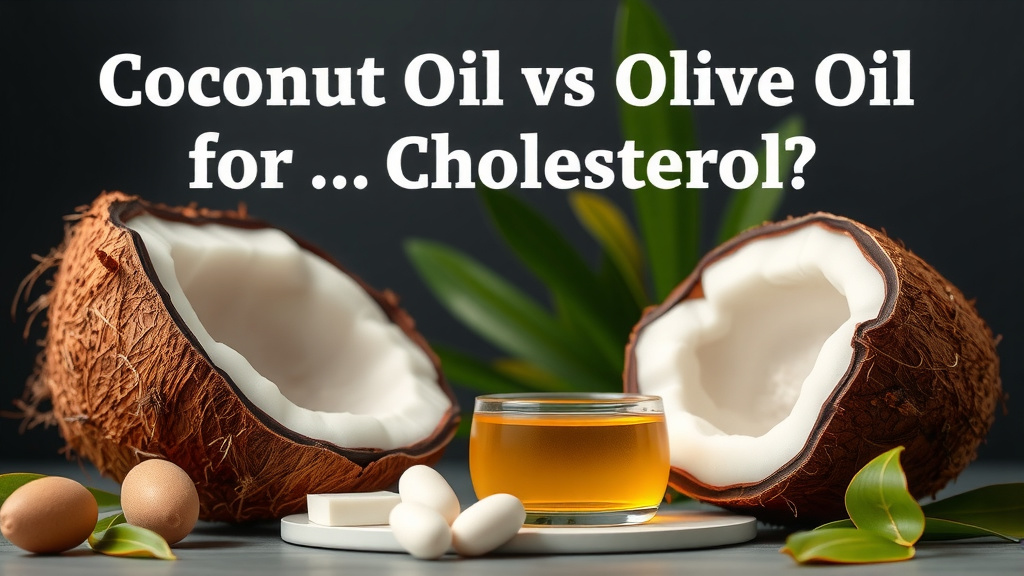
Coconut Oil vs Olive Oil for Cholesterol: Which is Better
When choosing between coconut oil and olive oil for managing cholesterol, olive oil is generally the better choice. Research consistently shows that the monounsaturated fats in olive oil can help improve your cholesterol profile by raising HDL (good) cholesterol and lowering LDL (bad) cholesterol. Coconut oil, while containing some beneficial compounds, is primarily saturated fat, which can potentially raise LDL cholesterol levels for many people.
Understanding how different fats impact your body is key to making informed dietary decisions. While both oils have their merits in cooking and health, their effects on cholesterol are quite distinct. We’ve found that many people are curious about this comparison, wanting to know which pantry staple is best for their heart health. It’s a common question for anyone looking to support healthy cholesterol levels through their diet.
- Olive oil’s monounsaturated fats are good for cholesterol.
- Coconut oil is high in saturated fat, which can raise bad cholesterol.
- For cholesterol management, olive oil is usually the preferred option.
- Both oils have different benefits and uses in your kitchen.
Let’s break down exactly what the science says about coconut oil versus olive oil and your cholesterol levels, so you can feel confident in your kitchen choices.
Coconut Oil vs. Olive Oil: What’s Better for Your Cholesterol?
So, you’re wondering which cooking oil is the better bet for keeping your cholesterol in check: coconut oil or olive oil? We get it. It’s a common question because what you cook with matters for your heart. The science is pretty clear here. For most people looking to manage their cholesterol, olive oil is the clear winner.
Understanding the Fat Content: The Key Difference
The big story lies in the types of fats these oils are made of. Think of it like different kinds of building blocks. Your body uses these blocks for all sorts of things, including building cholesterol.
Saturated Fats: The Complex Character of Coconut Oil
Coconut oil is mostly saturated fat. For a long time, saturated fat was seen as the bad guy for cholesterol. Research has become more nuanced, but many studies, including those cited by the American Heart Association, still suggest that high saturated fat intake can raise your LDL cholesterol. This is the “bad” cholesterol that can clog your arteries. While coconut oil does have some medium-chain triglycerides (MCTs) that might have different effects, the overall impact for many people is an increase in LDL.
Monounsaturated Fats: Olive Oil’s Heart-Healthy Power
Olive oil, especially extra virgin olive oil, is packed with monounsaturated fats. These are often called “good” fats. They work differently in your body. Instead of raising LDL, they can actually help lower LDL cholesterol and, for some, even raise HDL, the “good” cholesterol. HDL cholesterol helps clear out LDL from your bloodstream. Think of it like a helpful street cleaner for your arteries.
How Each Oil Affects Your Cholesterol Numbers
Let’s get down to what happens when you choose one oil over the other for your daily cooking. It’s not just about taste; it’s about your body’s response.
Olive Oil’s Impact on LDL and HDL
We found that numerous studies show a consistent pattern: incorporating olive oil into your diet can lead to a healthier cholesterol profile. For instance, research published in journals often points to a reduction in LDL cholesterol when people swap out saturated fats for monounsaturated fats from sources like olive oil (NIH).
It’s not just about lowering the bad stuff. Many experts also note that olive oil may help increase your HDL cholesterol. This is fantastic news because HDL is your body’s natural way of helping to keep your arteries clear and your heart happy. It’s like getting a double benefit!
Coconut Oil’s Potential Cholesterol Effects
Now, coconut oil is a bit more complex. While it’s a popular choice for its flavor and perceived health benefits, its high saturated fat content is a sticking point for cholesterol management. You might hear about its MCTs, and yes, some research looks into those. However, when you look at the whole picture of coconut oil’s saturated fat, major health organizations like the Cleveland Clinic advise caution for those watching their cholesterol.
Many people find that when they use coconut oil regularly, their LDL cholesterol numbers go up. This is a common observation in dietary studies and something to be aware of if your doctor has advised you to lower your cholesterol. It’s wise to listen to your body and your doctor’s advice here.
Choosing the Right Oil for Your Kitchen and Your Health
Making the switch or deciding which oil to keep stocked can feel like a big decision. Let’s break down some practical advice to help you choose wisely.
When to Reach for Olive Oil
For everyday cooking, salad dressings, marinades, and finishing dishes, extra virgin olive oil is often your best friend. Its flavor is wonderful, and its health benefits for cholesterol are well-supported by a large body of scientific evidence. Think of it as your go-to for heart health and delicious meals.
Considerations for Coconut Oil
Coconut oil has a place, but perhaps not as your primary cholesterol-managing oil. It has a higher smoke point than some olive oils, making it suitable for certain high-heat cooking methods. Some people also enjoy its unique flavor in baked goods or specific ethnic cuisines. However, if cholesterol is a concern, moderation is key. You might use it occasionally rather than as a daily staple.
Quick Comparison: Olive Oil vs. Coconut Oil for Cholesterol
Here’s a simple way to see the main differences:
| Feature | Olive Oil | Coconut Oil |
|---|---|---|
| Primary Fat Type | Monounsaturated Fats | Saturated Fats |
| Effect on LDL (“Bad”) Cholesterol | Tends to lower | Can raise for many |
| Effect on HDL (“Good”) Cholesterol | May help raise | Variable, less consistent benefit |
| General Recommendation for Cholesterol | Recommended | Use with caution/moderation |
Your Checklist for Smart Oil Choices
Ready to make some smart choices in your kitchen? Keep these points in mind:
- Always check the type of fat on the nutrition label.
- Prioritize oils rich in monounsaturated and polyunsaturated fats for heart health.
- Be mindful of saturated fat intake, especially if you have cholesterol concerns.
- Choose extra virgin olive oil for the most health benefits when possible.
- Use oils like coconut oil in moderation if cholesterol is a focus.
- Discuss your dietary choices with your healthcare provider.
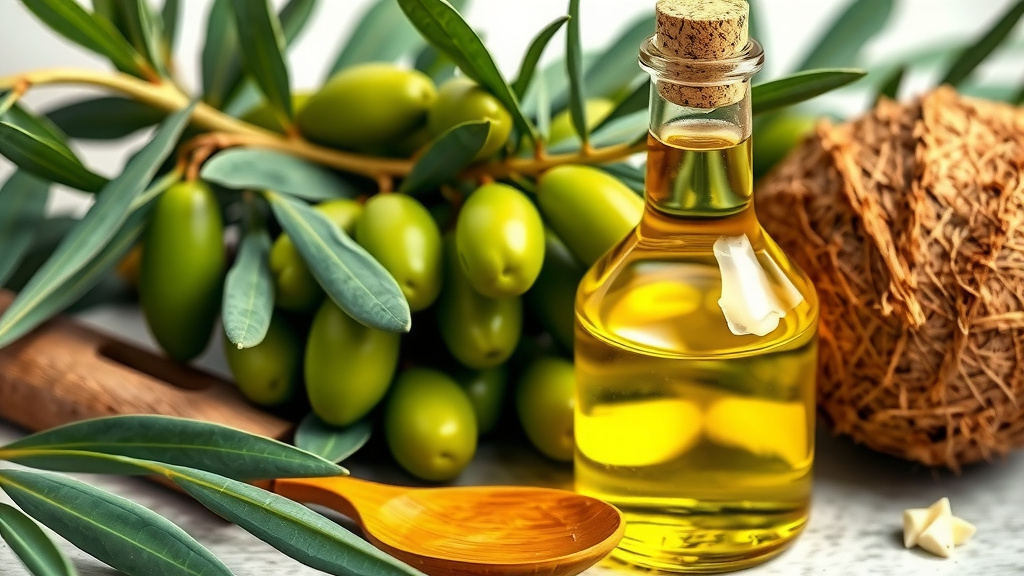
Conclusion
When it comes to your cholesterol health, your oil choice matters. We’ve seen that olive oil, rich in monounsaturated fats, is your heart’s best friend, helping to improve your cholesterol profile. Coconut oil, while tasty, is high in saturated fat and can raise your LDL. For daily cooking and supporting healthy cholesterol, reach for olive oil. Make this simple switch to support your well-being. Your heart will thank you!
Frequently Asked Questions
Can I use coconut oil for cooking if I have high cholesterol?
It’s best to use coconut oil in moderation if you’re watching your cholesterol. While it has some unique benefits, its high saturated fat content can raise LDL cholesterol for many people. Your doctor can offer the best guidance based on your specific health needs.
Is extra virgin olive oil always better than regular olive oil for cholesterol?
Extra virgin olive oil is generally considered the healthiest choice. It retains more of its natural antioxidants and beneficial compounds like polyphenols. These can offer additional support for heart health beyond just the monounsaturated fats.
How much olive oil should I use daily for cholesterol benefits?
Incorporating about 1-2 tablespoons of olive oil daily into your diet can contribute to healthier cholesterol levels. This could be through salad dressings, cooking, or drizzling over dishes. It’s a simple way to boost your intake of good fats.
What if I like the taste of coconut oil in my cooking?
You can still enjoy the flavor of coconut oil! Consider using it for specific dishes where its taste shines, like certain baked goods or curries, rather than as your primary cooking oil. For everyday use, swap it out for olive oil to prioritize your cholesterol goals.
Are there other oils that are good for cholesterol besides olive oil?
Yes, other oils rich in monounsaturated and polyunsaturated fats are also excellent choices. Think about oils like canola oil, avocado oil, and sunflower oil. These can also help support a healthy cholesterol balance in your diet.

![7 Best Extra Virgin Olive Oil For Hair Growth [2026]](https://bestpureessentialoils.com/wp-content/uploads/2026/08/7-best-extra-virgin-olive-oil-for-hair-growth-2026-featured-768x432.jpg)
![7 What Is The Best Olive Oil [2026]](https://bestpureessentialoils.com/wp-content/uploads/2026/07/7-what-is-the-best-olive-oil-2026-featured-768x432.jpg)