Black Seed Oil vs Olive Oil: Which Offers More Benefits
When comparing black seed oil versus olive oil, black seed oil often takes the lead for its potent anti-inflammatory and antioxidant properties. While both offer health benefits, black seed oil is particularly renowned for its unique compound, thymoquinone. Olive oil, on the other hand, is celebrated for its healthy monounsaturated fats, making it a heart-healthy staple. Your choice may depend on your specific health goals.
You might be wondering which oil is best for your daily wellness routine. Both have been used for centuries, backed by historical use and modern research. We found that while olive oil is a fantastic source of beneficial fats and polyphenols, black seed oil is frequently highlighted for immune support and overall vitality. It’s not always about one being “better,” but rather understanding their distinct strengths.
- Black seed oil boasts powerful anti-inflammatory and antioxidant effects.
- Olive oil is rich in heart-healthy monounsaturated fats.
- Thymoquinone is a key beneficial compound in black seed oil.
- Both have long histories of traditional use and modern study.
Let’s dive into what makes each oil stand out and help you decide which might be the perfect fit for your wellness journey.
Comparing Black Seed Oil and Olive Oil: Which is Best for You?
You’re probably curious about the health benefits packed into these two popular oils. Both black seed oil and olive oil have long histories of use. Many people wonder which one to choose for their wellness routine. We found that while both offer great advantages, they excel in different areas.
Black Seed Oil: Nature’s Potent Elixir
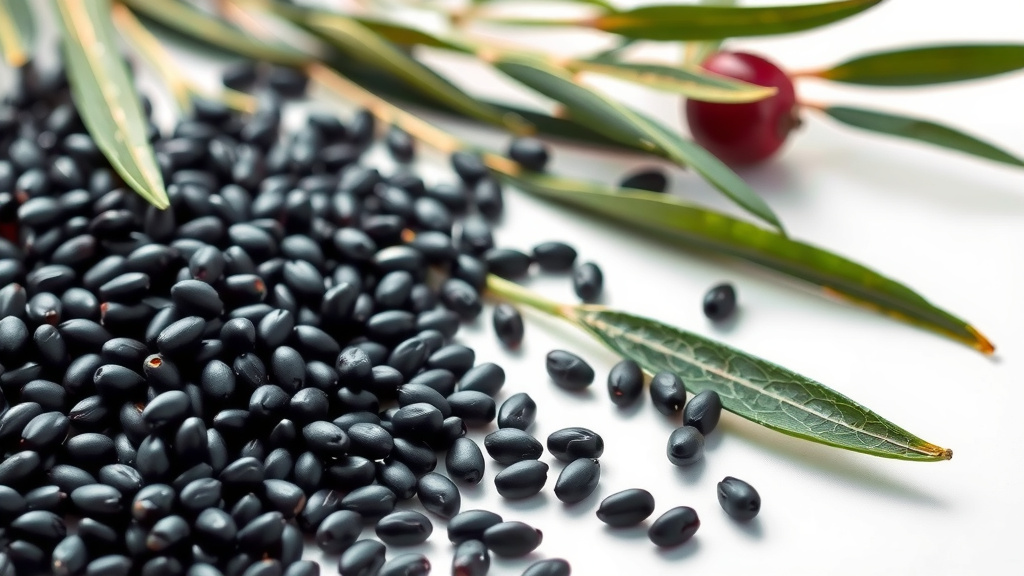
Black seed oil, also known as Nigella sativa, comes from the seeds of the flowering plant Nigella sativa. It’s been a staple in traditional medicine for thousands of years. Ancient Egyptians and Indian Ayurvedic practices both used it extensively. Today, modern research is catching up to its ancient reputation.
What Makes Black Seed Oil So Special?
The magic behind black seed oil lies in its active compounds. The most famous is **thymoquinone**. This powerful antioxidant and anti-inflammatory agent is responsible for many of its health perks. You’ll also find other beneficial compounds like thymohydroquinone and thymol in black seed oil.
Key Benefits of Black Seed Oil
Many studies suggest black seed oil can help with various health concerns. It’s often praised for its ability to support a healthy immune system. Research indicates it may help reduce inflammation throughout the body. This can be helpful for conditions like arthritis.
- Immune System Support: Black seed oil is thought to help balance immune responses. This can make your body more resilient.
- Anti-inflammatory Effects: Thymoquinone is a strong anti-inflammatory. This may help ease symptoms associated with chronic inflammation.
- Antioxidant Power: It fights harmful free radicals. This helps protect your cells from damage.
- Skin Health: Many people use it topically for skin issues. It may help with conditions like eczema and acne.
- Respiratory Health: Traditional use suggests it can support lung function. It might help with coughs and asthma symptoms.
How to Use Black Seed Oil
You can take black seed oil internally or apply it topically. For internal use, it’s usually taken by the spoonful. Some people prefer capsules. Always follow the dosage recommendations on the product or consult with a healthcare provider. For skin, a few drops can be massaged into the affected area.
Olive Oil: A Mediterranean Marvel
Olive oil is a cornerstone of the Mediterranean diet. It’s pressed from olives, the fruit of the olive tree. This oil has been a food source and medicinal remedy for centuries.
The Power of Healthy Fats
Olive oil is primarily known for its **monounsaturated fats**, especially oleic acid. These fats are considered heart-healthy. They can help improve cholesterol levels. Lowing LDL (bad) cholesterol while potentially raising HDL (good) cholesterol is a big plus. This makes it a great choice for cardiovascular wellness (American Heart Association).
Polyphenols and Antioxidants in Olive Oil
Beyond healthy fats, extra virgin olive oil is rich in **polyphenols**. These are natural antioxidants. They contribute to olive oil’s distinct flavor and aroma. These compounds can also help protect your body from oxidative stress. Think of them as tiny bodyguards for your cells.
Key Benefits of Olive Oil
The benefits of olive oil are extensive and well-documented. Its anti-inflammatory properties are also noteworthy. The healthy fats play a key role in reducing inflammation in the body.
- Heart Health: The monounsaturated fats are excellent for your cardiovascular system.
- Anti-inflammatory Properties: Polyphenols and oleic acid help combat inflammation.
- Antioxidant Rich: Protects cells from damage caused by free radicals.
- Digestive Health: Some research suggests it can support a healthy gut.
- Brain Health: Antioxidants may play a role in protecting brain function.
Choosing the Right Olive Oil
Not all olive oils are created equal. Extra virgin olive oil is the least processed. It retains the most nutrients and antioxidants. Look for cold-pressed and unrefined labels. These are usually the highest quality. Standard “olive oil” or “light olive oil” may be refined and have fewer health benefits.
Black Seed Oil vs. Olive Oil: A Direct Comparison
When you put them side-by-side, their differences become clear. Both are powerhouses, but they bring different strengths to the table.
| Feature | Black Seed Oil | Olive Oil (Extra Virgin) |
|---|---|---|
| Primary Fat Type | Polyunsaturated & Monounsaturated Fats | Monounsaturated Fats (Oleic Acid) |
| Key Active Compound | Thymoquinone | Oleic Acid, Polyphenols |
| Main Strengths | Immune support, potent anti-inflammatory, antioxidant | Heart health, healthy fats, moderate anti-inflammatory |
| Traditional Use Focus | Wide range of ailments, vitality | Cooking, general wellness, skin |
| Taste Profile | Pungent, slightly bitter | Fruity, peppery, sometimes grassy |
Which Oil Should You Choose?
Your choice really depends on your specific wellness goals. Are you looking to boost your immune system and fight inflammation? Black seed oil might be your top pick. If your main focus is heart health and enjoying a healthy fat in your diet, olive oil is an excellent choice.
Can You Use Both?
Absolutely! Many people benefit from incorporating both oils into their lives. You could use extra virgin olive oil for cooking and salad dressings. Then, take black seed oil as a supplement for its immune-boosting properties. It’s like having a balanced toolkit for your health.
Your Wellness Checklist: Getting Started
Here’s a quick rundown to help you integrate these beneficial oils:
- Define Your Goal: What health aspect are you targeting?
- Choose Quality: Opt for extra virgin olive oil and pure black seed oil.
- Start Small: Begin with lower doses for black seed oil.
- Listen to Your Body: Pay attention to how you feel.
- Consult a Pro: Talk to your doctor before starting new supplements.
- Be Patient: Give your body time to adjust and benefit.
Conclusion
You’ve learned that both black seed oil and olive oil are fantastic additions to your wellness routine. Black seed oil truly shines with its powerful immune support and anti-inflammatory properties, largely thanks to thymoquinone. Olive oil, especially extra virgin, is a champion for heart health, rich in monounsaturated fats and beneficial polyphenols. Neither is a one-size-fits-all solution, but understanding their unique strengths allows you to make an informed choice. Consider your personal health goals and choose the oil that best aligns with them. Your next step is to select a high-quality product and begin incorporating it mindfully into your day.
Frequently Asked Questions
Can I use both black seed oil and olive oil together?
Yes, you absolutely can use both! Many people find great benefit from incorporating both into their daily habits. You might use extra virgin olive oil for cooking and dressing salads, while taking black seed oil as a supplement to support your immune system.
Is black seed oil better for inflammation than olive oil?
Research suggests black seed oil, particularly its compound thymoquinone, has more potent anti-inflammatory effects. While olive oil also offers anti-inflammatory benefits, black seed oil is often highlighted for this specific strength in comparisons.
Which oil is better for heart health?
Olive oil is widely recognized for its heart-healthy monounsaturated fats, like oleic acid. These fats are well-researched for their positive impact on cholesterol levels and overall cardiovascular wellness.
What is the best way to take black seed oil?
You can take black seed oil internally, often by the spoonful or in capsule form, following product dosage recommendations. Some people also use it topically for skin health. Always consult a healthcare provider before starting any new supplement.
Should I choose extra virgin olive oil for health benefits?
Yes, for the maximum health benefits, always choose extra virgin olive oil. This type is the least processed, retaining more of the beneficial polyphenols and antioxidants compared to refined olive oils.