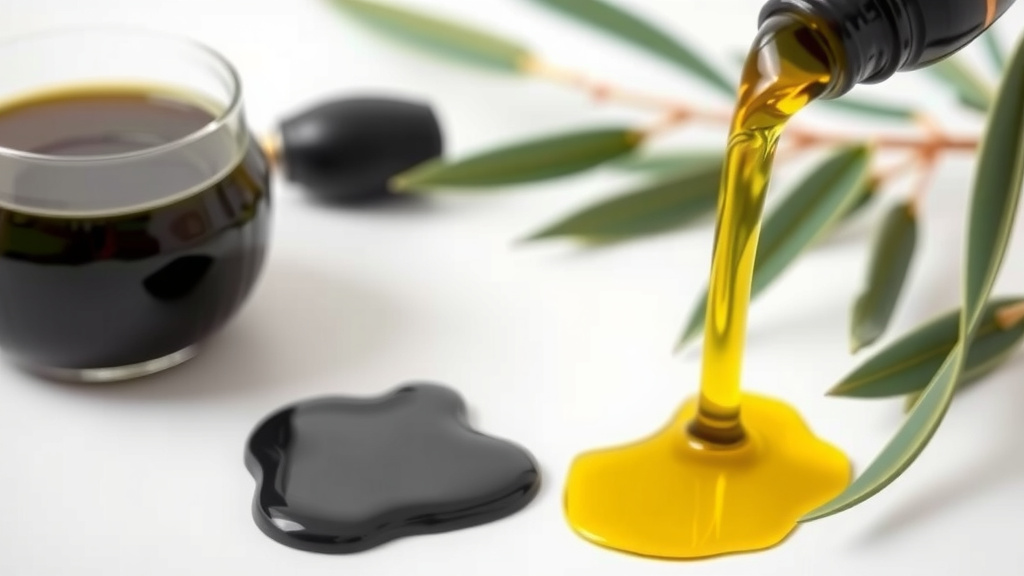
Black Olive Oil vs Green Olive Oil: What’s the Difference
When comparing black olive oil and green olive oil, there isn’t a clear “winner.” Instead, the best choice depends entirely on your cooking needs and flavor preferences. Green olive oil is typically associated with a more robust, peppery taste. Black olive oil often offers a milder, smoother flavor profile. Understanding these differences helps you pick the right oil for your dish.
The color of olive oil, ranging from deep green to golden yellow, hints at its flavor and when the olives were harvested. Olives picked earlier for green oil result in a more pungent, grassy oil. Olives picked later for black oil are riper, yielding a gentler, fruitier oil. Many home cooks want to know which is best for salads versus sautéing.
- Green olive oil is usually more flavorful and peppery.
- Black olive oil tends to be milder and fruitier.
- Harvest time dictates color and flavor.
- Choose based on your recipe’s needs.
Let’s dive into the key distinctions between black and green olive oil so you can confidently choose the perfect one for your kitchen adventures.
“`htmlUnderstanding the Differences: Black vs. Green Olive Oil
When you pick up a bottle of olive oil, you’ll notice it comes in various shades of green and gold. This color often tells you a lot about the oil’s flavor profile. It’s not just about looks; it’s about taste and how the oil was made. You might be wondering which one is best for your kitchen. Let’s break down what those colors really mean for your cooking.
The Harvest Connection: When Olives Turn Color
The main reason for the difference in color and taste comes down to when the olives are picked. Think of it like picking fruit from a tree. Early pickings give you one kind of flavor, and later pickings give you another.
Early Harvest for Vibrant Green Oil
When olives are still a bit green or just starting to change color, they are harvested for what typically becomes green olive oil. These olives are harder and contain more chlorophyll. This natural pigment is what gives the oil its striking green hue. It also contributes to a more intense, sometimes bitter flavor. Many experts note that this early harvest preserves more of the olive’s natural compounds.
Late Harvest for Milder Black Oil
As olives ripen on the tree, they turn from green to a darker purple or black color. Olives harvested at this stage are softer and sweeter. The oils pressed from these ripe olives tend to be lighter in color, often a golden yellow. They also have a smoother, fruitier taste. This ripening process changes the oil’s chemical makeup, leading to these milder characteristics.
Flavor Profiles: What to Expect on Your Plate
The color difference directly translates to distinct flavors. This is where your personal preference and the needs of your recipe come into play. Are you looking for a bold statement or a gentle complement?
Green Olive Oil: The Bold and Peppery Choice
Green olive oil is often described as having a grassy or herbaceous flavor. You might detect notes of artichoke, almond, or even a slight peppery bite at the back of your throat. This peppery sensation comes from a compound called oleocanthal, which has been studied for its anti-inflammatory properties (NCBI). It’s a sign of a high-quality, fresh oil. Think of it as the robust character in your dish.
Black Olive Oil: The Smooth and Fruity Option
Black olive oil, on the other hand, offers a gentler experience. Its flavor is typically more mellow and buttery. You might taste hints of ripe fruit, like apple or plum. It lacks the sharp pungency and peppery kick often found in green oils. This makes it a versatile choice when you don’t want the oil to overpower other ingredients.
Choosing the Right Oil for Your Cooking Needs
So, how do you decide which bottle to reach for? It really comes down to the dish you’re preparing. Think about the flavors you want to highlight.
When to Reach for Green Olive Oil
Green olive oil shines when you want its flavor to be a star. It’s fantastic for:
- Salad Dressings: Its robust flavor can cut through creamy dressings or stand up to crisp greens.
- Drizzling: Use it to finish pasta dishes, soups, or grilled vegetables for an extra burst of flavor.
- Marinades: It can add depth to marinades for meats, poultry, or fish.
- Dipping: Serve it with crusty bread for a simple, flavorful appetizer.
When to Opt for Black Olive Oil
Black olive oil is your go-to when you need a reliable base or a gentler flavor. It’s excellent for:
- Sautéing and Pan-Frying: Its milder taste won’t compete with your main ingredients.
- Baking: Use it in cakes, muffins, or bread where you want a subtle richness without a strong olive flavor.
- Everyday Cooking: For general cooking where you need a good all-purpose oil.
- Mild Sauces: It can add a smooth texture to sauces without making them taste too “olive-y.”
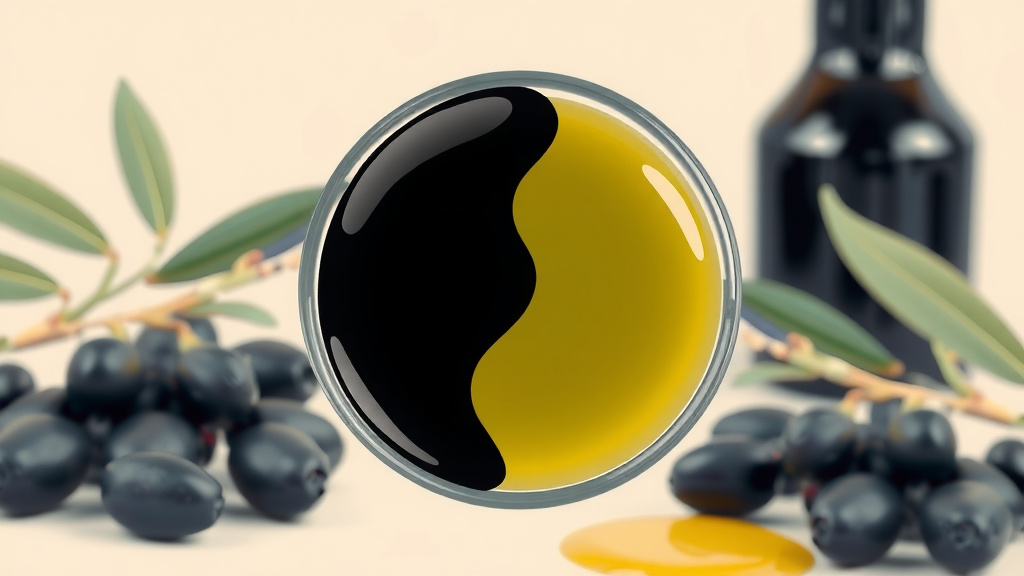
Comparing Olive Oils: A Quick Guide
To make it even easier, here’s a simple comparison. This can help you quickly identify which oil might be best for your next meal.
| Feature | Green Olive Oil | Black Olive Oil |
|---|---|---|
| Olive Ripeness | Early Harvest (Greener) | Late Harvest (Riper) |
| Color | Deep Green to Yellow-Green | Golden Yellow to Pale Yellow |
| Flavor Profile | Robust, Peppery, Grassy, Bitter | Mild, Fruity, Smooth, Buttery |
| Best Uses | Dressings, Drizzling, Dipping, Marinades | Sautéing, Baking, Everyday Cooking, Mild Sauces |
| Intensity | High | Low to Medium |
What About Extra Virgin?
You’ll often see “extra virgin olive oil” (EVOO) labeled on bottles. This refers to the quality and processing method, not the color or harvest time specifically. Extra virgin means the oil was produced using mechanical means, without heat or chemicals, and has a low acidity level. Both green and black olives can produce extra virgin olive oil. So, you can have a green EVOO and a black EVOO. The purity standard ensures you’re getting a high-quality oil, regardless of its color.
Your Kitchen Confidence Checklist
Ready to make informed choices? Keep these points in mind:
- Consider your recipe: What flavors do you want to highlight?
- Think about intensity: Do you want a bold or mild oil?
- Taste preferences: Do you enjoy a peppery bite or a smooth finish?
- Purpose of use: Is it for finishing, cooking, or baking?
- Don’t fear the green: Embrace its vibrant flavor!
- Enjoy the versatility: Black oils are great workhorses.
Ultimately, the journey to finding your favorite olive oil is an enjoyable one. Experimenting with both green and black varieties will help you discover which one truly sings in your favorite dishes. They both offer unique benefits to your cooking and your health!
“`Conclusion
You now have a clear picture of the differences between black and green olive oil. Remember, the color is a clue to the olive’s ripeness and the oil’s flavor. Green oils offer a robust, peppery kick, perfect for finishing dishes and dressings. Black oils provide a smoother, fruitier profile that works beautifully for everyday cooking and baking. Don’t be afraid to experiment! The best way to understand these oils is to taste them side-by-side in your own kitchen.
Your next step is simple: grab a bottle of each type on your next grocery run. Try them in a salad dressing and then again for sautéing. You’ll quickly discover which one best suits your taste buds and your cooking style.
Frequently Asked Questions
Does the color of olive oil really matter?
Yes, the color of olive oil is a good indicator of its flavor. Greener oils typically come from less ripe olives and have a more robust, peppery taste. Golden or yellower oils come from riper olives and are usually milder and fruitier.
Can I use green olive oil for cooking at high heat?
While green olive oil has a robust flavor, it’s generally best for finishing dishes or low-heat cooking. For high-heat sautéing or frying, a milder black or even a standard olive oil might be a better choice to prevent its delicate flavors from being lost.
Is black olive oil less healthy than green olive oil?
Both green and black olive oils, especially if they are extra virgin, are rich in healthy monounsaturated fats and antioxidants. While greener oils may contain slightly higher levels of certain beneficial compounds due to their harvest time, both are excellent choices for your health.
What does “extra virgin” mean for green vs. black olive oil?
Extra virgin refers to the quality and purity of the oil, not its color or ripeness. You can have a green extra virgin olive oil and a black extra virgin olive oil. This label means the oil was extracted using natural methods without chemicals and meets specific quality standards.
How do I store my olive oil to keep it fresh?
Olive oil is best stored in a cool, dark place away from direct sunlight and heat. Keep the bottle tightly sealed to prevent oxidation. Using it within 18-24 months of purchase will ensure the best flavor and quality for both green and black varieties.

![7 Best Cretan Olive Oil [2026]](https://bestpureessentialoils.com/wp-content/uploads/2026/06/7-best-cretan-olive-oil-2026-featured-768x432.jpg)
![7 Best Olive Oil For Cooking [2026]](https://bestpureessentialoils.com/wp-content/uploads/2026/07/7-best-olive-oil-for-cooking-2026-featured-768x432.jpg)
![7 Best Olive Oil At Williams Sonoma [2026]](https://bestpureessentialoils.com/wp-content/uploads/2026/09/7-best-olive-oil-at-williams-sonoma-2026-featured-768x432.jpg)