
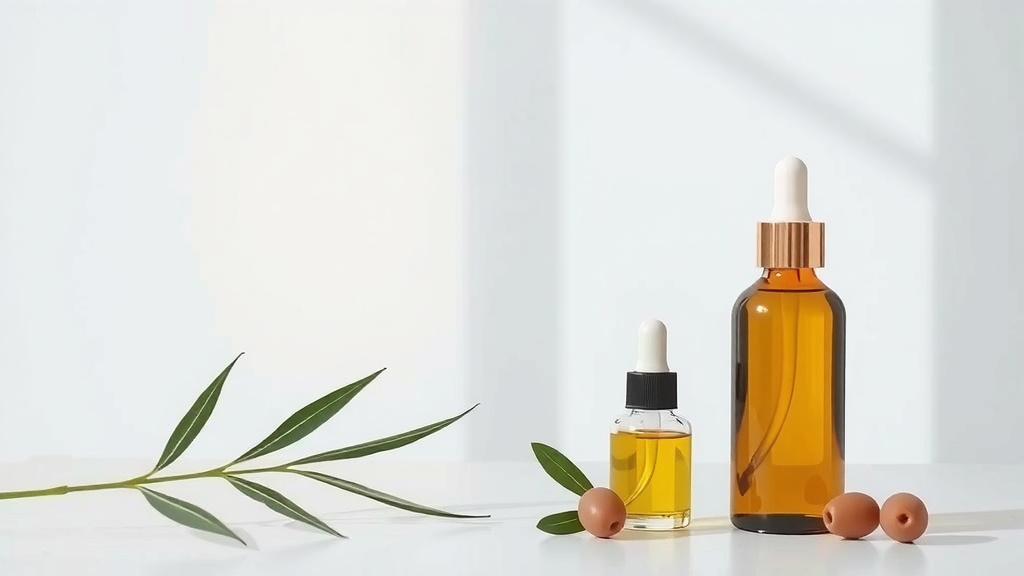
Bio Oil vs Olive Oil: Which is Better for Skin
When wondering about bio-oil versus olive oil for your skin, it’s helpful to know bio-oil is specifically formulated for scars and stretch marks, while olive oil is a more general moisturizer. While both can hydrate your skin, their intended uses and ingredient lists differ quite a bit.
You might be looking for a natural solution for dryness or improving skin’s appearance. We found that bio-oil uses a mix of plant extracts and vitamins, aiming for targeted results. Olive oil, on the other hand, relies on its natural fatty acids and antioxidants. Both can be great, but the best choice depends on your specific skin goals.
- Bio-oil is designed for scars and stretch marks.
- Olive oil is a natural, all-purpose skin moisturizer.
- Bio-oil contains added vitamins and plant extracts.
- Olive oil’s benefits come from its natural fatty acids.
- Your skin’s needs will determine which is better for you.
Let’s dive into the details of bio-oil and olive oil so you can make the best decision for your skin.
You’re curious about which oil is better for your skin: Bio-Oil or good old olive oil. It’s a common question! Both can help hydrate and improve your skin’s look. But they have different strengths and are made for different jobs. Let’s break down what makes them unique so you can choose wisely.
Comparing Oils for Your Skin Concerns
When you’re looking at oils for skin care, it’s smart to understand their purpose. Bio-Oil is a special blend designed for specific issues like scars and stretch marks. Olive oil is a natural ingredient many people use for general moisturizing. We found that understanding their primary uses helps you pick the right one for your skin’s needs.
What Exactly is Bio-Oil?
Bio-Oil is a skincare product formulated to help improve the appearance of scars, stretch marks, and uneven skin tone. It’s a combination of plant extracts and vitamins suspended in an oil base. The company states it’s designed to be easily absorbed by the skin. Many users report positive results when using it consistently over time. We found research suggesting ingredients like Vitamin A and E can help with skin regeneration.
Key Ingredients in Bio-Oil
You’ll find a mix of things in Bio-Oil. It contains PurCellin Oil, which is a special ingredient that the makers say makes the oil lighter and easier to absorb. It also has plant-based oils like calendula, lavender, rosemary, and chamomile oil. Plus, it includes vitamins A and E. Many dermatologists point out that vitamins A and E are known for their skin-supporting properties (American Academy of Dermatology).
Understanding Olive Oil for Skin
Olive oil, especially extra virgin olive oil, has been used for skin care for centuries. It’s a natural, pantry staple that many people already have at home. Its benefits come from its rich composition of fatty acids and antioxidants. We found that olive oil is primarily known for its moisturizing and emollient properties. It can help soothe dry, rough skin. Some studies suggest its antioxidants may help protect the skin from environmental damage (National Center for Complementary and Integrative Health).
The Natural Goodness of Olive Oil
The main components of olive oil are oleic acid, a type of monounsaturated fatty acid, and linoleic acid, a polyunsaturated fatty acid. It also contains antioxidants like vitamin E and polyphenols. These compounds work together to hydrate the skin and can help maintain its natural barrier. We found that its fatty acids help replenish the skin’s natural oils, making it feel softer and smoother.
When to Choose Bio-Oil
If your main concern is the appearance of scars or stretch marks, Bio-Oil might be your go-to. It’s formulated with ingredients intended to target these specific issues. Many people use it during pregnancy to help prevent stretch marks or after surgery to aid scar healing. The product’s aim is to improve skin texture and uniformity. Many users share success stories after months of regular application.
Targeting Scars and Stretch Marks
Bio-Oil’s unique blend is thought to help by improving skin elasticity and hydration in the affected areas. The added vitamins and plant oils are believed to support the skin’s natural healing process. We found that consistency is key when using Bio-Oil for these concerns. Applying it twice daily for at least three months is often recommended by the product’s creators and many users.
Addressing Uneven Skin Tone
Beyond scars and stretch marks, Bio-Oil is also marketed for helping with uneven skin tone and blemishes. Ingredients like vitamin A are known to help with cell turnover, which can brighten the skin. The oil formulation itself helps to moisturize and protect the skin, which can make minor discolorations less noticeable. Many find it helps their skin look more radiant.
When to Choose Olive Oil
Olive oil is a fantastic option for everyday moisturizing. If you have generally dry or normal skin and want a natural way to keep it hydrated, olive oil is a great choice. It’s a simple, effective emollient that can make your skin feel supple. We found that it’s a gentle option for many skin types. Its rich texture can provide a protective barrier against moisture loss.
General Skin Hydration and Softening
For dry patches, rough elbows, or just overall skin softness, olive oil works wonders. Its fatty acids help to lock in moisture. You can use it directly on your skin or add a few drops to your favorite lotion. Many people find that it leaves their skin feeling incredibly soft. It’s a no-fuss way to give your skin some much-needed TLC.
A Natural Makeup Remover
Did you know olive oil can also be an effective makeup remover? It can break down stubborn makeup, including waterproof mascara. Just apply a small amount to a cotton pad and gently wipe away your makeup. Afterwards, you’ll want to cleanse your face with your usual cleanser to remove any residue. We found that it’s a great natural alternative to many commercial removers.
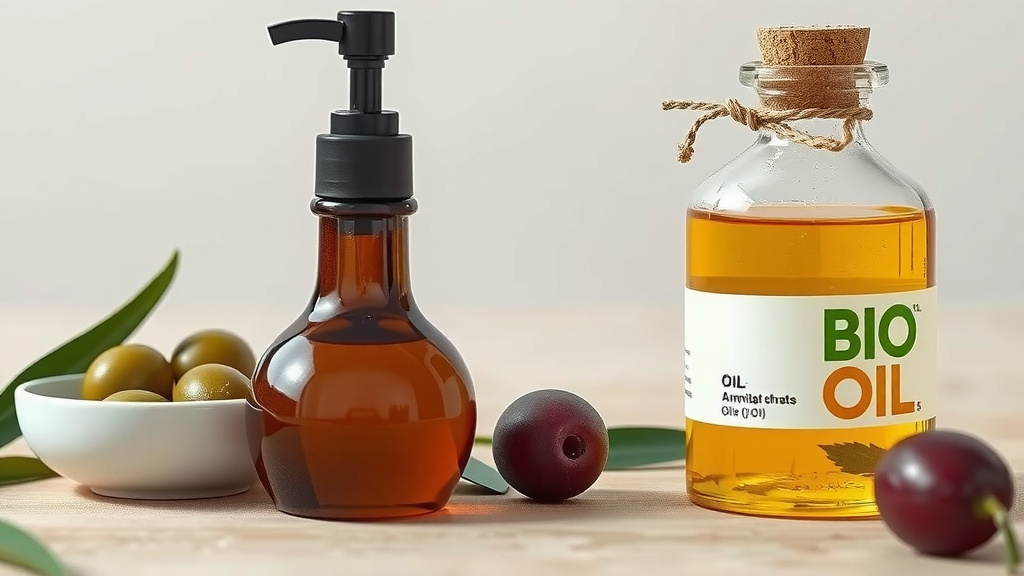
Comparing Key Features: Bio-Oil vs. Olive Oil
Let’s put them side-by-side to make it easier to see the differences. This table highlights their main uses and ingredients.
| Feature | Bio-Oil | Olive Oil (Extra Virgin) |
|---|---|---|
| Primary Use | Scars, stretch marks, uneven skin tone | General moisturizing, dry skin, makeup removal |
| Key Ingredients | PurCellin Oil, plant oils, vitamins A & E | Oleic acid, linoleic acid, antioxidants, vitamin E |
| Texture | Lightweight, easily absorbed | Rich, can feel heavier |
| Formulation | Manufactured blend | Natural, single ingredient |
| Commonly Recommended For | Improving appearance of scars/stretch marks | Soothing dry, rough skin |
Which One Should You Try First?
Think about what your skin needs most right now. If you’re specifically trying to reduce the visibility of scars or stretch marks, Bio-Oil is formulated for that purpose. If you’re looking for a natural, all-purpose moisturizer to combat dryness or soften your skin, pure olive oil is an excellent choice. We found that many people actually use both, depending on their skin’s daily needs.
A Quick Checklist for Your Choice
To help you decide, consider these points:
- Do you have specific scars or stretch marks? Consider Bio-Oil.
- Is your skin generally dry or rough? Olive oil is a great bet.
- Are you looking for a natural, single-ingredient option? Go for olive oil.
- Do you prefer a product designed for targeted concerns? Bio-Oil might be better.
- Do you want something you likely already have in your pantry? Olive oil wins!
- Are you comfortable with a blend of plant extracts and vitamins? Bio-Oil could be your choice.
Conclusion
You’ve learned that Bio-Oil and olive oil both offer skin benefits, but they serve different purposes. Bio-Oil is your choice for targeted concerns like scars and stretch marks, thanks to its special blend of vitamins and plant extracts. Olive oil, on the other hand, is a wonderful natural option for general hydration and softening dry skin. Consider your skin’s primary needs. If you’re aiming to improve the appearance of specific imperfections, reach for Bio-Oil. For everyday moisture and suppleness, pure olive oil is a fantastic pantry staple. Your best choice depends on what you want to achieve for your skin right now.
Frequently Asked Questions
Can I use Bio-Oil on my face?
Yes, you can use Bio-Oil on your face, especially if you have concerns like acne scars or uneven skin tone. Many users find it helps moisturize and improve their facial skin’s appearance. However, always do a patch test first to ensure your skin tolerates it well.
Is olive oil good for oily skin?
Olive oil can be used on oily skin, but with caution. Its rich nature might feel too heavy for some, potentially clogging pores. If you have oily skin, consider using a small amount as a makeup remover and then thoroughly cleansing your face afterward, or opt for a lighter oil.
How often should I use Bio-Oil for scars?
For best results with scars, Bio-Oil is typically recommended for application twice daily for at least three months. Consistency is key to helping improve the skin’s texture and appearance over time. Always follow the product’s specific usage guidelines.
Can olive oil help with aging skin?
Olive oil contains antioxidants like vitamin E, which can help protect your skin from environmental damage that contributes to aging. Its moisturizing properties also help keep skin hydrated and plump, which can make fine lines less noticeable. Many find it a gentle way to support mature skin.
Can I mix Bio-Oil with my regular lotion?
Yes, you can absolutely mix Bio-Oil with your regular lotion. This can help boost the moisturizing power of your lotion and deliver Bio-Oil’s targeted ingredients more easily over a larger area of your body. It’s a great way to incorporate its benefits into your daily routine.

![7 Best No Drip Olive Oil Dispenser [2026]](https://bestpureessentialoils.com/wp-content/uploads/2026/09/7-best-no-drip-olive-oil-dispenser-2026-featured-768x432.jpg)
![7 Best Italy Olive Oil [2026]](https://bestpureessentialoils.com/wp-content/uploads/2026/09/7-best-italy-olive-oil-2026-featured-768x432.jpg)
![7 Best Italian Virgin Olive Oil [2026]](https://bestpureessentialoils.com/wp-content/uploads/2026/08/7-best-italian-virgin-olive-oil-2026-featured-768x432.jpg)