How Long Do Olives in Oil Last in the Fridge
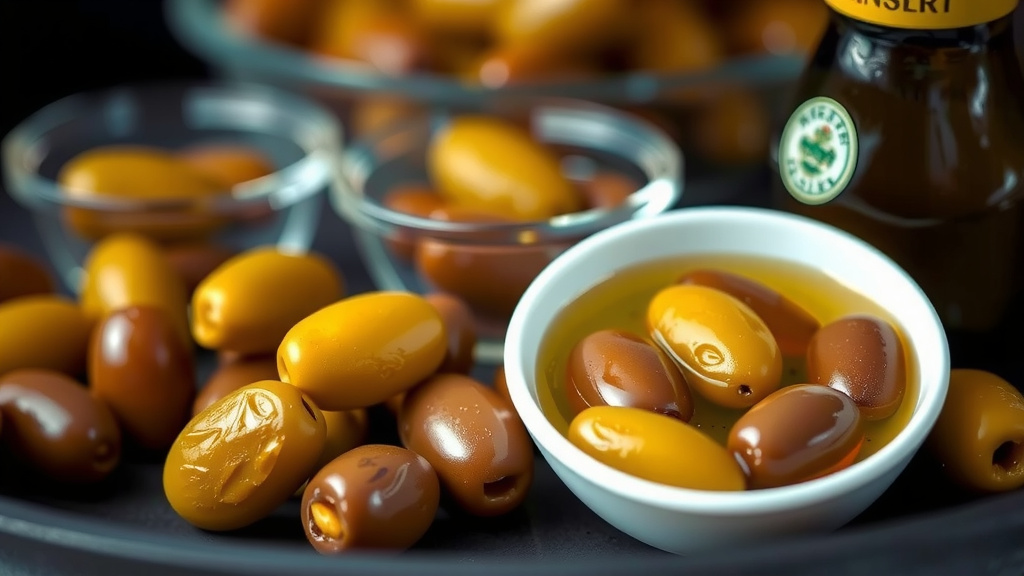
So, you’ve got some olives chilling in the fridge, possibly swimming in oil. You’re probably wondering, “How long do olives in oil last in the fridge?” We found that properly stored olives in oil can last for a surprisingly long time, often up to a year if unopened, and several months once opened.
The key is that the oil acts as a preservative. It creates a barrier against air, which helps keep the olives fresh and prevents spoilage. This means your briny bites are likely to stay good for quite a while, but you still want to be mindful of their freshness.
TL;DR:
- Unopened jar: Up to 1 year.
- Opened jar: 2-3 months if stored properly.
- Always submerge olives in oil.
- Use clean utensils to remove olives.
- Discard if mold or off-smell appears.
Ready to dive deeper into keeping your olives tasty? Below, we’ll cover the best practices for storing them and how to tell if they’re still good to go.
How Long Do Olives in Oil Keep in the Fridge?
Wondering about the shelf life of those delicious olives swimming in oil in your refrigerator? You’ve come to the right place. We found that the oil acts as a natural preservative, creating a protective barrier that helps keep your olives fresh and flavorful for a good while. It’s all about understanding the conditions that keep them at their best.
For unopened jars, the situation is quite straightforward. We found that unopened olives in oil can last up to a year. This extended shelf life is thanks to the vacuum seal and the preservative qualities of the oil. Think of it as a little time capsule for your olives, keeping them perfectly preserved until you’re ready to enjoy them.
Opened Olives: What’s the Timeline?
Once you’ve cracked open that jar, the clock starts ticking a little faster, but not dramatically so. We found that opened olives in oil typically last for 2 to 3 months in the refrigerator, provided you store them correctly. This is a good amount of time to enjoy them in various dishes or as a tasty snack.
The key here is maintaining that protective oil layer. It’s crucial to ensure that your olives remain submerged in the oil. If the oil level drops, you can top it up with more olive oil to keep that barrier intact. This simple step significantly extends their freshness.
Why Does Oil Preserve Olives?
The science is pretty simple, really. Oil creates an anaerobic environment. This means it prevents oxygen from reaching the olives. Oxygen is the enemy of freshness for many foods; it can lead to spoilage and the growth of unwanted bacteria or mold. The oil acts as a shield, keeping those spoilage agents at bay.
Many food safety guidelines highlight that oil is a traditional and effective method for preserving foods like olives, anchovies, and certain cheeses. This method has been used for centuries because it works to extend the edible life of these products (National Center for Home Food Preservation).
Best Practices for Storing Your Olives
To get the most out of your olives, a few simple storage habits go a long way. It’s all about making sure they stay happy and healthy in their oily environment.
Keep Them Submerged!
This is the golden rule. Always ensure your olives are covered by a layer of olive oil. If the oil level gets low after you’ve removed some olives, simply add more good-quality olive oil. This maintains the protective barrier and keeps them from drying out or oxidizing.
Use Clean Utensils
Here’s a tip that many food safety experts recommend: always use a clean fork or spoon when taking olives out of the jar. Introducing dirty utensils can contaminate the oil and the olives, potentially leading to spoilage. Think of it as a small act of hygiene for a big impact on freshness.
Refrigerate Promptly
Once opened, get those olives back into the fridge without delay. Don’t leave them sitting out on the counter. The cold temperature of the refrigerator slows down any potential bacterial growth, keeping your olives safe and sound.
The Importance of the Original Brine (or Oil)
The liquid your olives come in is specifically designed to preserve them. Whether it’s a brine or oil, it contains salt, acid, or the oil itself, all working together. If you happen to drain off the original liquid, be sure to replace it with fresh olive oil. We found that keeping them in their original or a fresh oil bath is key.
Signs Your Olives Might Be Past Their Prime
While olives in oil are quite stable, they aren’t immortal. It’s always a good idea to trust your senses to check for any signs of spoilage. Generally, if stored correctly, you won’t run into many issues, but it pays to be aware.
Visual Clues: What to Look For
Your eyes can tell you a lot. Look for any unusual changes in appearance. This could include:
- Mold growth: Any fuzzy or discolored spots are a definite no-go.
- Cloudy or murky oil: While some cloudiness can occur naturally, excessive cloudiness or sediment might be a sign of spoilage.
- Unusual texture: If the olives seem slimy or mushy when they shouldn’t be, it’s best to discard them.
The Sniff Test: What to Smell For
Your nose is another excellent tool. Olives should have a pleasant, briny, or slightly fruity aroma. If you notice any off-putting or strange smells, like a sour, yeasty, or rotten odor, it’s time to say goodbye to those olives.
Taste Test (with Caution!)
If the olives look and smell perfectly fine, and you’re still unsure, you can try a tiny taste. Take just one olive. If it tastes sour, bitter, fizzy, or just plain “off,” don’t eat any more. Discard the batch.
Many food safety resources, like the USDA, advise that when in doubt, throw it out. It’s not worth the risk of foodborne illness.
A Quick Checklist for Olive Freshness
Here’s a handy checklist to keep your olives in top shape:
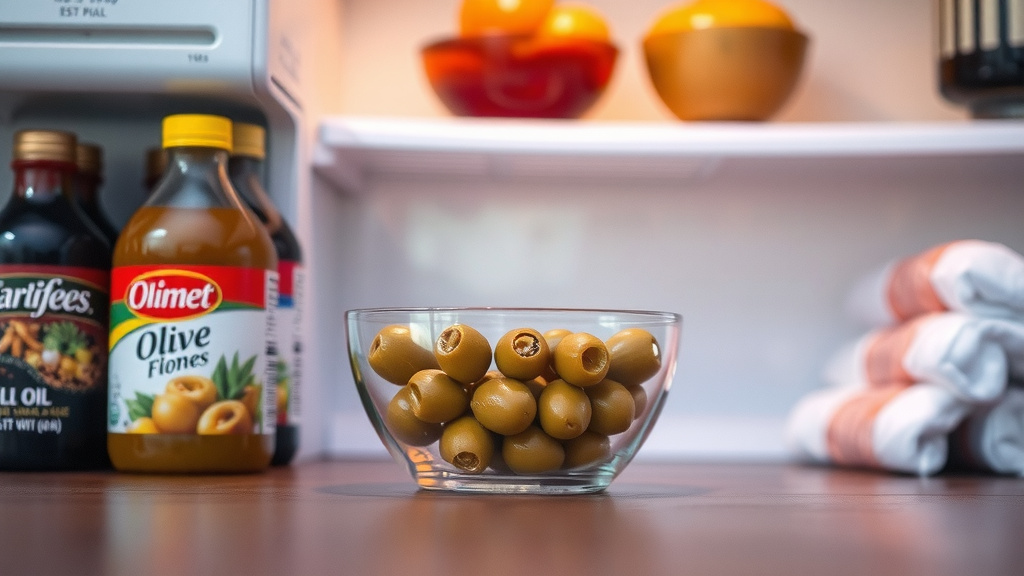
- Keep olives submerged in oil.
- Use clean utensils.
- Seal the jar tightly after each use.
- Store in the refrigerator.
- Check for mold or off-smells before using.
- When in doubt, throw them out.
Conclusion
You’ve got the scoop on keeping your olives in oil deliciously fresh! Remember, the oil is your best friend here, creating a protective shield. Unopened jars can last a whole year, while opened ones should be good for about 2-3 months with proper care. Just keep them submerged in oil, use clean utensils, and always trust your senses to spot any spoilage. Now you can confidently reach for those olives, knowing exactly how long they’ll stay tasty. Go ahead and add that perfect briny bite to your next meal!
Frequently Asked Questions
Can I freeze olives in oil?
Freezing olives in oil isn’t typically recommended. The oil can separate and change texture, and the olives might become mushy once thawed. It’s best to stick to refrigeration for maintaining their quality and taste.
What if my olive oil turns cloudy in the fridge?
A little cloudiness in olive oil stored in the fridge is normal and usually harmless. This is often due to the oil solidifying slightly in cooler temperatures. As long as there are no signs of mold or off-smells, the olives should still be fine after the oil returns to room temperature.
How much oil should I add if the level drops too low?
You should add enough good-quality olive oil to ensure the olives are fully submerged. Aim to cover them by at least a quarter-inch. This maintains the protective barrier against air, which is essential for their preservation.
Do marinated olives in oil last longer than plain ones?
Marinated olives, especially those with acidic ingredients like vinegar or lemon juice in the marinade, might have a slightly different shelf life. However, the principle of oil preservation still applies. Always follow the general guidelines of 2-3 months for opened jars and check for spoilage signs.
Is it okay to use the oil from the olive jar for cooking?
Yes, you can often reuse the oil from your olive jar for cooking, especially if the olives are still fresh and the oil smells and looks good. It will have absorbed some olive flavor, which can be a nice addition to dressings or sautés.

![7 Best Extra Virgin Olive Oil Cold Pressed [2026]](https://bestpureessentialoils.com/wp-content/uploads/2026/08/7-best-extra-virgin-olive-oil-cold-pressed-2026-featured-768x432.jpg)

![7 Best Greek Olive Oil Reddit [2026]](https://bestpureessentialoils.com/wp-content/uploads/2026/08/7-best-greek-olive-oil-reddit-2026-featured-768x432.jpg)