Castor Oil vs. Olive Oil for Skin: Which is Better
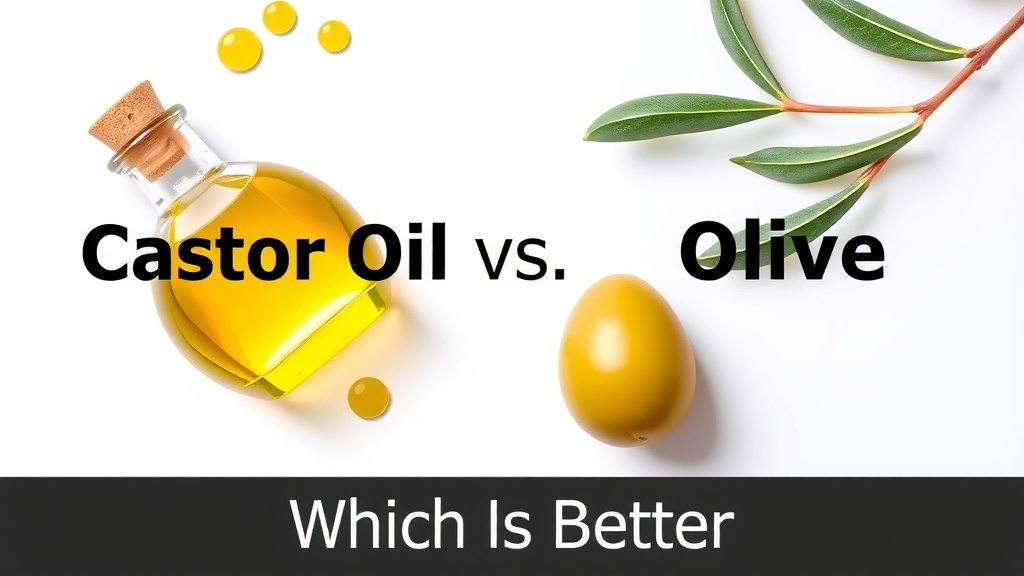
When deciding between castor oil vs olive oil for skin, castor oil is generally better for deep cleansing and reducing inflammation, while olive oil is a fantastic moisturizer. Both offer unique benefits, but their primary uses differ. Castor oil’s ricinoleic acid makes it potent for drawing out impurities. Olive oil’s fatty acids are excellent for hydrating dry skin.
Understanding which oil suits your skin’s needs is key. Many find success using them for different concerns. For instance, you might use castor oil for a targeted pore treatment and olive oil for overall skin softness. We found that their distinct compositions mean they excel in different areas of skincare.
- Castor oil: Great for deep cleaning and inflammation.
- Olive oil: Excellent for moisturizing and softening skin.
- Both are natural and have unique fatty acid profiles.
- Your skin type will determine the best choice for you.
- Consider using them for different skincare goals.
Let’s dive into the specifics of how castor oil and olive oil work for your skin, so you can pick the perfect one for your beauty routine.
Exploring Castor Oil vs. Olive Oil for Your Skin
When you’re looking to enhance your skincare routine, choosing the right oils can make a big difference. You might be wondering about the benefits of castor oil versus olive oil for your skin. We’ve looked into what makes each oil unique and how they can help you achieve healthier-looking skin. While both are natural wonders, they serve distinct purposes. Let’s break down their individual strengths.
Understanding Castor Oil’s Unique Properties
Castor oil is a powerhouse ingredient derived from the seeds of the castor bean plant. What sets it apart is its high concentration of **ricinoleic acid**. This fatty acid is the secret behind many of its impressive benefits for the skin. It’s thicker and stickier than many other oils, which plays a role in how it works.
Castor Oil for Deep Cleansing and Detoxifying
One of castor oil’s most celebrated uses is its ability to act as a **deep cleanser**. Its molecular structure allows it to penetrate pores effectively. It works by drawing out impurities, dirt, and excess oil that can clog your skin. Think of it like a magnet pulling out the gunk.
We found that many people use it as part of an oil cleansing method. This involves massaging the oil onto dry skin, then using a warm, damp cloth to gently wipe it away. This process helps to lift away debris without stripping your skin of its natural moisture. It can leave your face feeling incredibly clean and refreshed. This method is especially helpful for those with **oily or acne-prone skin**.
The Anti-Inflammatory Benefits of Castor Oil
Beyond cleansing, castor oil is also known for its **anti-inflammatory properties**. Ricinoleic acid has been studied for its potential to calm redness and irritation. If you struggle with sensitive skin or conditions like eczema or psoriasis, castor oil might offer some relief. Research suggests it can help soothe discomfort and reduce the appearance of inflamed areas (NCBI).
It’s important to remember that castor oil is very potent. We recommend **diluting it with a carrier oil** like jojoba or almond oil before applying it directly to larger areas of your skin. This makes it gentler and easier to spread. A common ratio to try is one part castor oil to one or two parts carrier oil.
How to Use Castor Oil for Skin Concerns
You can use castor oil in a few ways. For a targeted spot treatment, apply a tiny amount directly to blemishes or inflamed patches. For a more general skin refresh, try the oil cleansing method mentioned earlier. Some people even use it to help improve the appearance of scars or stretch marks, though results can vary.
Always do a **patch test** before applying any new oil to your face. This helps ensure you don’t have an adverse reaction. Apply a small amount to your inner arm and wait 24 hours. If no irritation occurs, you’re likely good to go.
Discovering the Benefits of Olive Oil for Your Skin
Olive oil, a staple in kitchens worldwide, is also a fantastic ingredient for your skin. It’s rich in **fatty acids and antioxidants**, making it a nourishing choice for hydration and protection. Unlike castor oil’s thick consistency, olive oil is typically lighter, though still richer than some other plant oils.
Olive Oil as a Superior Moisturizer
The primary benefit of olive oil for the skin is its **incredible moisturizing power**. Its fatty acids, including oleic acid, linoleic acid, and squalene, help to hydrate and soften the skin. Squalene, in particular, is a natural component of our skin’s sebum, so olive oil integrates well and provides deep moisture without feeling overly greasy (Cleveland Clinic).
If your skin feels dry, tight, or flaky, olive oil can be a lifesaver. It helps to replenish lost moisture and create a protective barrier on the skin’s surface. This barrier locks in hydration, preventing water loss throughout the day. Many people find it helps to improve the **overall suppleness and texture of their skin**.
Antioxidant Protection from Olive Oil
Olive oil is packed with **antioxidants**, such as vitamin E and polyphenols. These compounds help to protect your skin from damage caused by free radicals. Free radicals are unstable molecules that can contribute to premature aging and skin dullness. By neutralizing them, the antioxidants in olive oil can help keep your skin looking youthful and radiant.
These protective qualities make olive oil a good choice for daily skincare. It can help your skin better cope with environmental stressors like pollution and UV exposure. While it’s not a substitute for sunscreen, it adds an extra layer of defense.
How to Incorporate Olive Oil into Your Routine
You can easily use olive oil as a moisturizer. After cleansing, apply a few drops to slightly damp skin and gently massage it in. You can also use it as a makeup remover; it effectively dissolves makeup, even waterproof formulas. Rinse with a warm cloth afterwards.
For an intensive hydrating treatment, try applying a thin layer of olive oil before bed. Wake up to softer, more hydrated skin. If you have very oily skin, you might prefer to use it just a few times a week or as a night treatment. As with castor oil, a patch test is always a good idea to ensure it suits your skin.
Comparing Castor Oil and Olive Oil: Key Differences
Let’s put these two natural oils side-by-side to help you choose. Their primary uses and benefits are quite distinct.
| Feature | Castor Oil | Olive Oil |
|---|---|---|
| Primary Benefit | Deep cleansing, reduces inflammation | Moisturizing, antioxidant protection |
| Key Ingredient | Ricinoleic acid | Oleic acid, fatty acids, antioxidants |
| Texture | Thick, viscous | Medium-bodied, can be lighter depending on type |
| Best For | Detoxifying pores, soothing irritation, spot treatments | Dry skin, daily hydration, makeup removal, anti-aging support |
| Dilution Recommendation | Often recommended for dilution with a carrier oil | Can be used neat, but dilution might be preferred for very oily skin |
As you can see, they really do excel in different areas. Castor oil is your go-to for a deep clean and calming irritation. Olive oil is your daily dose of hydration and protection.
Choosing the Right Oil for Your Skin Needs
Your decision between castor oil and olive oil should be based on what your skin needs most right now. Do you have clogged pores and occasional breakouts? Castor oil might be your best bet for a targeted cleanse. Is your skin feeling dry, tight, and in need of some serious hydration?
Olive oil is likely the answer. Many people find success using both oils at different times or for different purposes. You could use castor oil for a weekly deep pore cleanse and olive oil as your daily moisturizer. It’s all about understanding your skin’s unique requirements.
A Quick Checklist for Your Oil Selection
To help you decide, consider these points:
- Identify your main skin concern: Clogged pores? Dryness? Redness?
- Consider your skin type: Oily, dry, combination, sensitive?
- Think about your goals: Do you want to detoxify, hydrate, or soothe?
- Remember texture preference: Do you prefer a thicker or lighter oil?
- Be prepared to patch test: Always test new products first.
- Start small: Begin with infrequent use and see how your skin responds.
Conclusion
You now understand the distinct strengths of castor oil and olive oil for your skin. Castor oil shines when you need a deep cleanse or want to calm irritation. Olive oil is your best friend for quenching dryness and providing antioxidant protection. We’ve found that they really complement each other.
Your best bet is to match the oil to your current skin concerns. Don’t hesitate to try a patch test with either oil to see how your skin responds. Ready to give your skin the care it deserves? Start by selecting the oil that best fits your needs today!
Frequently Asked Questions
Can I use castor oil and olive oil together on my skin?
Yes, you can! Many people find success using them for different purposes. For example, you might use castor oil for a weekly deep pore cleanse and olive oil as your daily moisturizer.
Is castor oil too strong for facial skin?
Castor oil is quite potent, so it’s often recommended to dilute it with a carrier oil like jojoba or almond oil. A 1:1 or 1:2 ratio of castor oil to carrier oil is a good starting point for facial use.
Will olive oil make my oily skin worse?
Olive oil can be a great moisturizer even for oily skin, especially if your skin is also dehydrated. Start with just a few drops after cleansing and see how your skin reacts. You might prefer to use it as a night treatment.
How often should I use castor oil for cleansing?
For deep cleansing, using castor oil once or twice a week is generally sufficient. Overuse could potentially strip your skin. Listen to your skin and adjust the frequency as needed.
Are there any specific types of olive oil I should look for?
For skincare, look for extra virgin olive oil. It’s less processed and retains more of its beneficial antioxidants and fatty acids compared to refined varieties.

![7 Best Fruity Extra Virgin Olive Oil [2026]](https://bestpureessentialoils.com/wp-content/uploads/2026/08/7-best-fruity-extra-virgin-olive-oil-2026-featured-768x432.jpg)

![7 Best Infused Olive Oil Brands [2026]](https://bestpureessentialoils.com/wp-content/uploads/2026/08/7-best-infused-olive-oil-brands-2026-featured-768x432.jpg)