
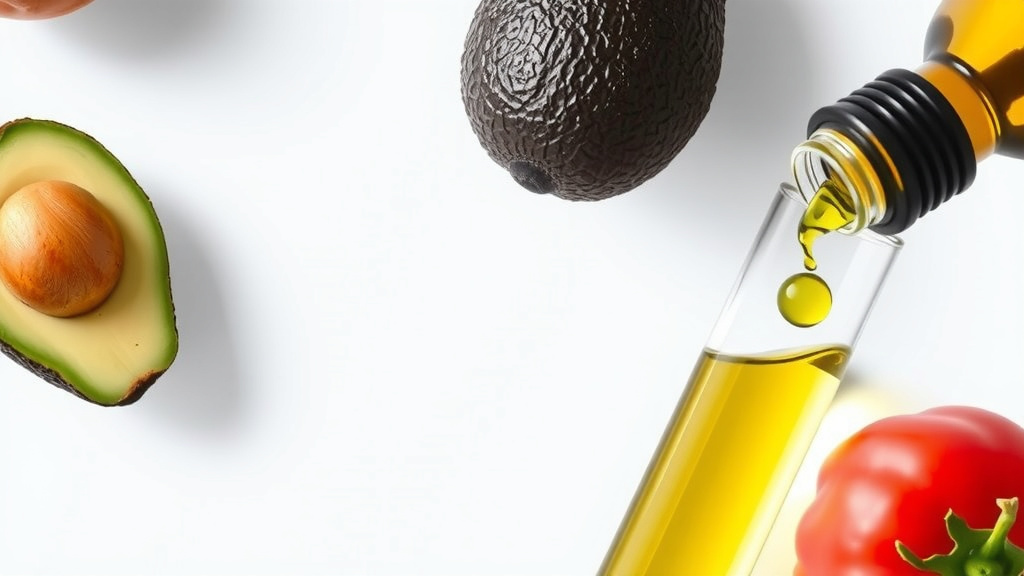
Avocado Oil vs Olive Oil Taste: Which Wins Your Palate
When comparing avocado oil taste versus olive oil, you’ll find they offer distinct flavors. Avocado oil boasts a mild, buttery taste that’s almost neutral. Olive oil, especially extra virgin, has a more robust, peppery, or fruity flavor profile. Your choice depends on the dish you’re preparing and your personal preference for flavor intensity.
Both oils are popular in cooking and for health benefits. They are pressed from fruits, but the way their flavors come through is quite different. Many home cooks wonder which one to use for different recipes. We found that understanding their flavor differences can truly enhance your cooking and satisfaction with the final meal.
- Avocado oil: Mild, buttery, neutral taste.
- Olive oil: Stronger, peppery, or fruity taste.
- Flavor choice depends on your recipe.
- Both are healthy cooking fats.
Let’s dive into the specific taste differences between avocado oil and olive oil and help you pick the perfect one for your kitchen.
Avocado Oil vs. Olive Oil: Understanding the Taste Differences
Choosing between avocado oil and olive oil often comes down to flavor. You might be wondering how they truly stack up in your dishes. We’ve looked into it, and there are definite differences. Avocado oil generally offers a subtle, buttery taste. Olive oil, especially the extra virgin kind, can be quite bold and complex. Your recipe and personal taste will guide you to the best choice. Let’s break down what you can expect from each.
Exploring the Flavor Profile of Avocado Oil
When you open a bottle of avocado oil, you’re met with a very mild aroma. This hints at its delicate taste. It doesn’t hit you with strong notes like some other oils. Instead, it’s smooth and pleasant.
The Taste Experience of Avocado Oil
Avocado oil’s taste is often described as buttery and creamy. It’s incredibly mild, almost neutral. Think of it as a fantastic background player in your cooking. It won’t overpower other ingredients. Many people find it has a clean finish. You won’t get any bitterness or sharp notes. It’s smooth from start to finish.
When to Use Avocado Oil for its Flavor
Because of its mildness, avocado oil is a versatile kitchen staple. It’s perfect for dishes where you don’t want the oil’s flavor to compete. Consider it for:
- Baking: It lets the sweet flavors of your cakes and cookies shine through.
- Mayonnaise and Dressings: It provides richness without a strong taste.
- Stir-fries: It mixes well with the diverse flavors of vegetables and sauces.
- Drizzling over finished dishes: It adds a lovely richness without altering the main flavors.
We found that its neutral profile makes it a safe bet for almost any recipe. It truly enhances without dominating.
Understanding Olive Oil’s Diverse Flavors
Olive oil’s taste is far from uniform. It changes dramatically based on the olives used and how it’s processed. This variety offers cooks a wide spectrum of flavors. You can get anything from mild and sweet to intensely peppery.
The Spectrum of Olive Oil Taste
Extra virgin olive oil (EVOO) is where you’ll find the most distinct flavors. We’ve noticed that EVOO can range from:
- Fruity: Think green apples, ripe tomatoes, or tropical fruits.
- Grassy: Like freshly cut grass or green herbs.
- Peppery: A noticeable, sometimes lingering, peppery finish in the throat.
- Bitter: A pleasant bitterness, similar to dark leafy greens.
These flavors come from the natural compounds in the olives. They indicate the quality and freshness of the oil. Other types of olive oil, like “pure” or “light,” have much milder flavors. They are more processed. Their taste is closer to a neutral oil.
When Olive Oil’s Flavor Shines
Olive oil’s robust flavors are a big part of its appeal. Use it when you want its taste to be a star:
- Dipping bread: A high-quality EVOO is wonderful on its own.
- Salad dressings: It adds depth and character to vinaigrettes.
- Finishing pasta or roasted vegetables: A drizzle adds a finishing touch of flavor.
- Marinating meats and vegetables: It infuses them with its unique taste.
The specific flavor profile you choose will greatly impact your dish. A peppery oil might be great for grilled fish, while a fruity one could complement a Caprese salad.
Direct Comparison: Avocado Oil vs. Olive Oil Taste
Let’s put them side-by-side. Think of it like comparing a quiet whisper to a clear spoken sentence. Avocado oil is the whisper, and olive oil is often the sentence.
Key Taste Differences Summarized
Here’s a quick rundown of what we found:
| Characteristic | Avocado Oil | Olive Oil (Extra Virgin) |
|---|---|---|
| Intensity | Mild, subtle | Moderate to robust |
| Primary Notes | Buttery, creamy, neutral | Fruity, grassy, peppery, bitter |
| Acidity/Sharpness | Very low | Can have a peppery or bitter bite |
| Versatility (Flavor-wise) | High – doesn’t compete | Moderate – enhances or leads |
Flavor and Smoke Point: A Quick Note
While we’re focusing on taste, it’s worth noting that avocado oil generally has a higher smoke point than most olive oils. This makes it excellent for high-heat cooking like frying and searing. Olive oil, especially EVOO, is best used for lower-heat cooking or as a finishing oil to preserve its delicate flavors.
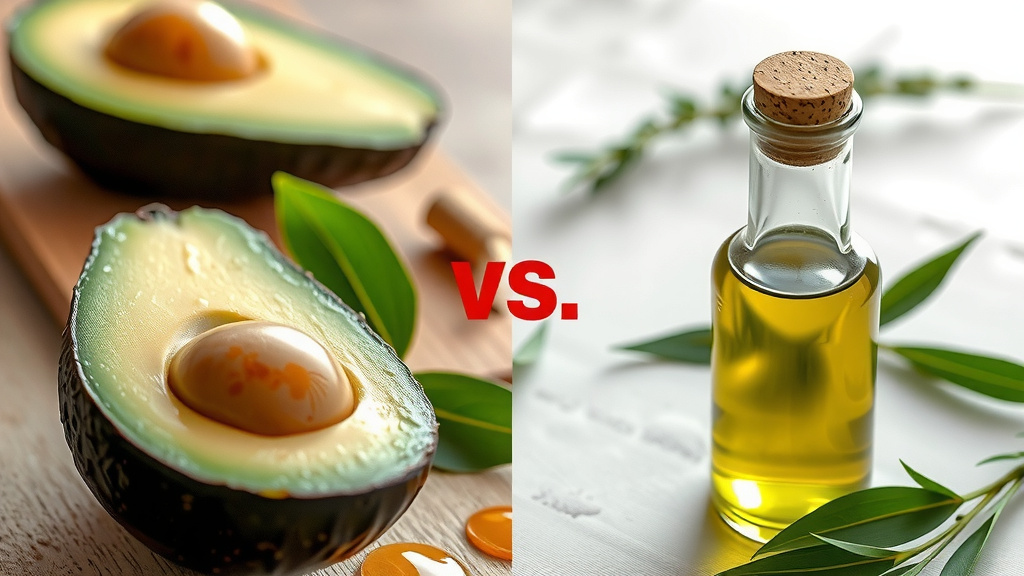
Choosing the Right Oil for Your Kitchen Needs
Your decision really depends on what you’re cooking and what you want to taste. Do you want the oil to blend in, or do you want it to add its own personality?
When to Reach for Avocado Oil
You’ll want avocado oil when:
- You need a neutral oil that won’t interfere with delicate flavors.
- You’re baking and want pure sweetness from your ingredients.
- You’re making something like homemade mayo and want a creamy base.
- You’re searing or frying at high temperatures.
It’s the chameleon of the oil world. It adapts to its surroundings.
When to Choose Olive Oil
Opt for olive oil when:
- You want to add a distinct flavor note to your dish.
- You’re making a simple dressing or vinaigrette.
- You’re dipping crusty bread and want a flavorful experience.
- You’re finishing a dish and want a final flourish of taste.
Research from organizations like the Mayo Clinic often highlights olive oil’s health benefits, but its flavor is equally celebrated in culinary circles.
Making Your Culinary Decision
So, how do you decide which oil is best? It’s about understanding their personalities. Avocado oil is the reliable, quiet friend. Olive oil is the lively conversationalist.
Your Flavor Checklist
Keep these points in mind when you’re in the aisle:
- Recipe Type: Is it baked goods, a salad, or a stir-fry?
- Desired Flavor Impact: Do you want oil flavor or ingredient flavor?
- Heat Level: Will you be cooking at high temperatures?
- Personal Preference: Which taste profile do you enjoy more?
- Quality of Oil: Always choose good quality for the best taste.
By considering these factors, you’ll find yourself reaching for the right bottle more often than not. This will lead to more delicious meals.
Conclusion
You now understand the distinct personalities of avocado oil and olive oil when it comes to taste. Avocado oil offers a smooth, buttery backdrop, perfect for letting other flavors shine or for high-heat cooking. Olive oil, particularly extra virgin, brings its own vibrant notes – fruity, peppery, or grassy – to enhance your dishes. Think about the role you want your cooking oil to play. For your next meal, consider the recipe and your desired flavor impact. Reach for the oil that best complements your culinary vision!
Frequently Asked Questions
Can I substitute avocado oil for olive oil in any recipe?
You can often substitute them, but consider the flavor profile you want. If the recipe relies on olive oil’s distinct taste, using neutral avocado oil will change the outcome. For baking or when you want a neutral base, avocado oil is a great swap.
Does the type of olive oil really affect the taste that much?
Yes, the type of olive oil makes a big difference. Extra virgin olive oil (EVOO) has the most robust and varied flavors, while refined or “light” olive oils have a much milder taste, closer to neutral oils.
Is avocado oil good for salad dressings?
Avocado oil works well in salad dressings if you prefer a very mild oil that won’t compete with your other ingredients. If you want the oil itself to add a distinct flavor to your dressing, you might prefer a fruity or peppery olive oil.
Which oil is better if I’m sensitive to bitter or peppery tastes?
If you find peppery or bitter tastes off-putting, avocado oil is likely a better choice for you. Its mild, buttery flavor profile is generally free of those sharper notes found in many extra virgin olive oils.
Can I use both oils in my kitchen?
Absolutely! Most cooks find it beneficial to keep both on hand. Avocado oil is fantastic for high-heat cooking and neutral applications, while olive oil excels when you want to add specific flavor notes or for finishing dishes.


![7 Best Olive Oil Brand For Cooking In India [2026]](https://bestpureessentialoils.com/wp-content/uploads/2026/09/7-best-olive-oil-brand-for-cooking-in-india-2026-featured-768x432.jpg)
![7 Best Cold Pressed Olive Oil For Cooking [2026]](https://bestpureessentialoils.com/wp-content/uploads/2026/06/7-best-cold-pressed-olive-oil-for-cooking-2026-featured-768x432.jpg)