
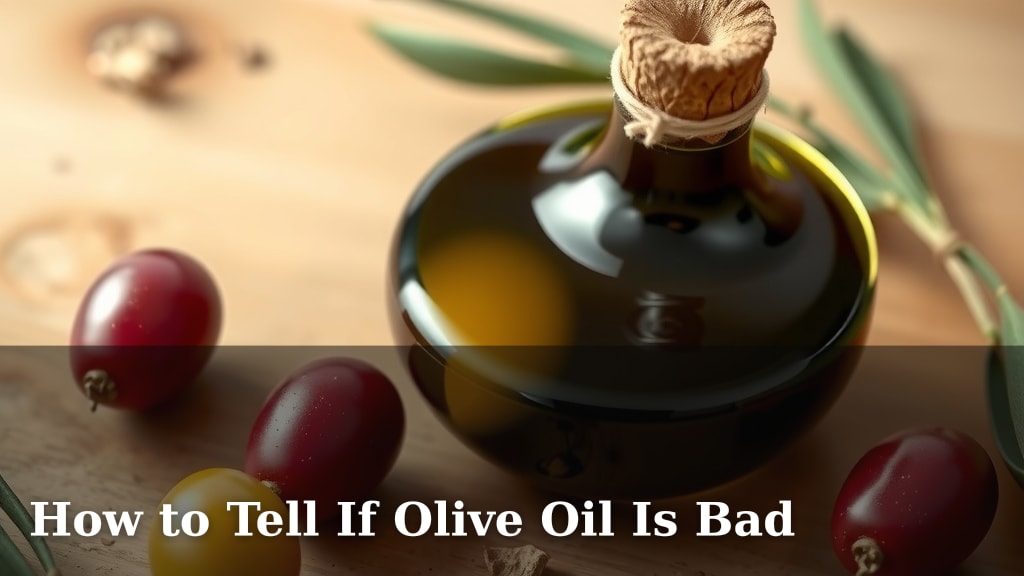
How to Tell If Olive Oil Is Bad
Your olive oil might have gone bad if it smells rancid or tastes bitter. Exposure to heat, light, and air causes olive oil to degrade. When it spoils, it loses its flavor and can even make your food taste unpleasant. So, that forgotten bottle in your pantry could be past its prime.
Knowing when your olive oil is no longer good is important for your cooking. Old oil can negatively impact the taste of dressings, marinades, and finished dishes. We found that checking its appearance and scent are the best first steps. A quick sniff test can save your meal from an off flavor.
- Smell it first: Rancid oil smells like crayons or old nuts.
- Taste a tiny bit: A bitter or stale taste is a clear sign.
- Check the color: It might look duller or have sediment.
- Look at the date: Expiration or “best by” dates matter.
- Consider storage: Was it left open or near heat?
Let’s walk through exactly how to tell if your olive oil has turned, so you can keep your kitchen stocked with the good stuff.
Your Guide to Spotting Spoiled Olive Oil
It’s a bummer when you reach for that bottle of olive oil, only to realize it’s lost its magic. You might be wondering, “Did my olive oil go bad?” Fortunately, there are several easy ways to check. We found that your senses are your best tools here. Just a quick sniff or a tiny taste can tell you a lot.
The Olfactory Test: What Does Bad Olive Oil Smell Like?
The scent of olive oil is often the first clue that something is off. Fresh olive oil should have a pleasant aroma. It might smell fruity, grassy, or even a bit peppery. If your olive oil has started to spoil, its scent will change dramatically.
Signs of Rancidity in Scent
Research indicates that rancid olive oil develops a distinct, unpleasant odor. Many people describe it as smelling like crayons. Others compare it to the smell of old, stale nuts. Sometimes it can even smell a bit like putty or petroleum. If you detect any of these smells, it’s a strong sign the oil has gone bad.
What Fresh Olive Oil Smells Like
On the flip side, good olive oil has a vibrant smell. Think fresh-cut grass or a green apple. It might even have a slight hint of bitterness in the aroma. This indicates the presence of beneficial compounds. A lack of any smell isn’t great either, as it might mean the oil is old and has lost its flavor profile.
The Gustatory Investigation: Tasting for Spoilage
After smelling the oil, the next step is a small taste test. Remember, you only need a tiny amount. Swish a small sip in your mouth. This helps you really pick up on any off-flavors.
The Taste of Rancidity
Spoiled olive oil loses its fresh taste. Instead, it can taste bitter, stale, or even metallic. Some describe it as having a “flat” taste. If it burns your throat slightly, that’s another indicator of rancidity. This unpleasant taste is due to the breakdown of fatty acids in the oil.
What Good Olive Oil Tastes Like
A high-quality olive oil will have a pleasant, sometimes bold, flavor. You might notice fruity notes, a peppery kick at the back of your throat, or a slightly bitter finish. These characteristics are desirable. They show the oil is fresh and has retained its natural flavors and healthy compounds.
Visual Cues: What to Look For
While smell and taste are key, the appearance of your olive oil can also offer clues. Don’t rely on color alone, as it can vary greatly depending on the olive varietal and processing. However, some visual changes suggest the oil isn’t at its best.
Changes in Appearance
Over time, olive oil can become cloudy. You might notice sediment at the bottom of the bottle. This is especially true for unfiltered oils. While a little sediment isn’t always a sign of spoilage, excessive cloudiness or a change in its natural clarity could indicate age or degradation. Many experts advise that a duller color can also be a sign of oxidation.
The Role of the Bottle and Storage
How the oil was stored plays a big part. Olive oil is sensitive to light. If your oil is in a clear bottle and has been kept on a sunny windowsill, it’s more likely to degrade faster. Similarly, heat is an enemy of olive oil. Bottles stored near the stove or in a warm pantry are at higher risk of going bad.
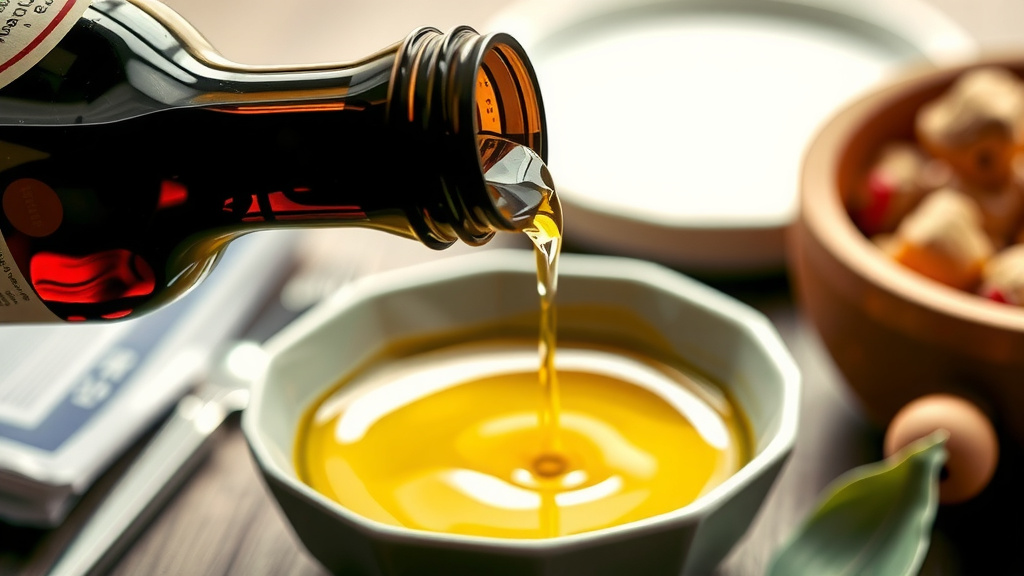
Decoding the Dates: Expiration vs. Best By
You’ll often find dates printed on olive oil bottles. Understanding these dates can help you gauge freshness. It’s not always a hard and fast rule, but it’s a useful starting point.
Understanding “Best By” Dates
Most olive oil bottles have a “best by” or “best before” date. This date indicates when the manufacturer believes the oil will be at its peak flavor and quality. It’s not a strict expiration date. Olive oil can often remain safe to consume for some time after this date, though its flavor might diminish.
The Importance of Harvest Date
For truly fresh olive oil, look for a harvest date. This date tells you when the olives were pressed. The more recent the harvest, the fresher the oil. Many producers now include this information, as it’s a strong indicator of quality. We found that oils with a harvest date within the last 12-18 months are typically the freshest.
Checking Your Storage Habits
Your storage habits are critical for preserving olive oil’s quality. Even the finest oil will turn quickly if not stored properly. Think of it like preserving fine wine; the right conditions make all the difference.
The Enemies of Olive Oil
Research consistently shows that heat, light, and air are the primary culprits behind olive oil spoilage. Oxygen causes oxidation, which breaks down the oil’s beneficial compounds and creates those unpleasant rancid flavors. Light, especially UV light, accelerates this process. Heat speeds up the chemical reactions, leading to faster degradation. Many guidelines suggest storing olive oil in a cool, dark place (Mayo Clinic).
Best Practices for Storage
To keep your olive oil fresh, store it in a cool, dark place. A pantry or cupboard away from the stove is ideal. Always ensure the cap is tightly sealed after each use. This minimizes exposure to air. Opt for dark glass bottles whenever possible. If you buy in larger quantities, consider transferring some to a smaller, darker bottle for daily use.
When in Doubt, Toss It Out!
Ultimately, if your olive oil smells or tastes off, it’s best to discard it. While it might not be harmful in small amounts, it won’t add anything positive to your cooking. It’s a small price to pay to ensure your delicious meals taste their best.
Quick Olive Oil Freshness Checklist
- Smell: Does it smell like crayons, old nuts, or something stale?
- Taste: Does it taste bitter, metallic, or flat instead of fresh and fruity?
- Appearance: Is it unusually cloudy or does it have a dull color?
- Bottle Type: Is it in a clear bottle that’s been exposed to light?
- Storage: Has it been stored near heat or left open?
- Date: Is it well past its “best by” or harvest date?
Conclusion
You’ve now learned how to be a detective in your own kitchen when it comes to olive oil. Trusting your senses – your nose and your taste buds – are your best indicators. Pay attention to those subtle signs like a crayon-like smell or a bitter flavor. Remembering to check those dates and keeping your oil away from heat and light will help you keep it fresh longer. The next time you reach for that bottle, give it a quick sniff and a tiny taste. You’ll ensure your culinary creations always have that fresh, vibrant olive oil flavor you love.
Frequently Asked Questions
Can I still use olive oil if it smells a little off?
It’s generally best not to use olive oil if it has a noticeably off smell, like crayons or old nuts. While a small amount might not make you sick, it will likely ruin the taste of your food. Rancid oil loses its desirable flavors and can add an unpleasant bitterness.
How long does olive oil typically last once opened?
Once opened, olive oil is best used within 12 to 18 months, provided it’s stored properly. Exposure to air accelerates degradation. Always seal the bottle tightly after each use to help prolong its freshness and flavor.
Does the color of olive oil tell me if it’s bad?
No, the color of olive oil isn’t a reliable indicator of whether it’s gone bad. Color can vary widely based on the olives used and the pressing method. Focus more on smell, taste, and appearance like cloudiness or sediment instead of just color.
What’s the difference between “best by” and harvest date for olive oil?
The “best by” date suggests peak quality, but the oil is often still good past it. The harvest date is a better indicator of freshness. It tells you when the olives were pressed. Oil within 12-18 months of harvest is typically the freshest and best quality.
Can bad olive oil make you sick?
While rancid olive oil tastes unpleasant, it’s unlikely to make you seriously ill in small amounts. The primary concern is the loss of flavor and beneficial compounds, which can negatively impact your dishes. It’s more about food quality than safety.

![7 Best Of Nature Olive Body Oil [2026]](https://bestpureessentialoils.com/wp-content/uploads/2026/09/7-best-of-nature-olive-body-oil-2026-featured-768x432.jpg)
![7 Best Olive Oil At Target [2026]](https://bestpureessentialoils.com/wp-content/uploads/2026/09/7-best-olive-oil-at-target-2026-featured-768x432.jpg)