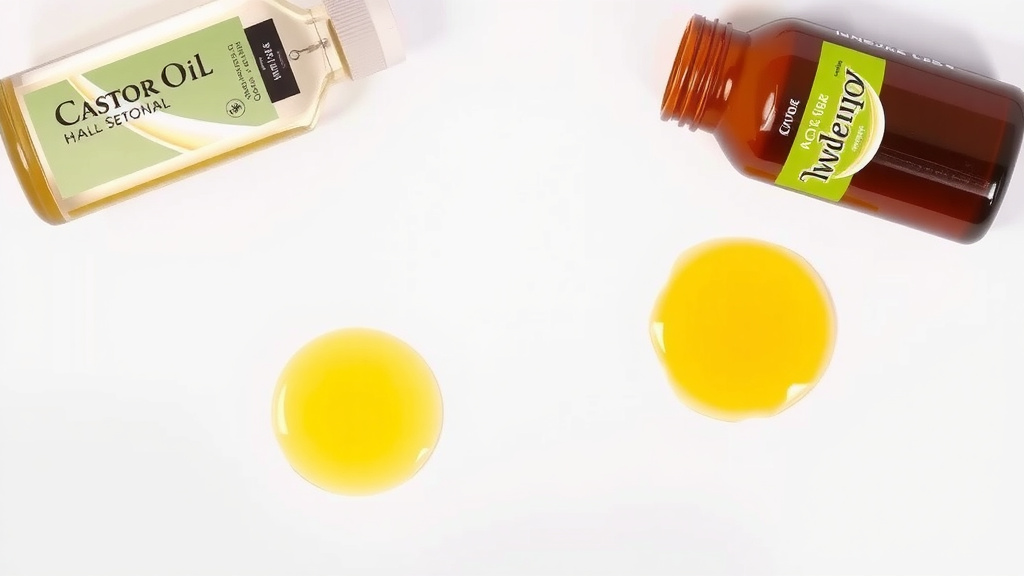
Castor Oil vs Olive Oil for Hair Growth: Which is Best
When deciding between castor oil and olive oil for hair growth While both oils offer moisturizing benefits, our guide to the best extra virgin olive oil for hair growth explains why castor oil is often preferred., most people find that castor oil tends to be more effective. While both oils offer moisturizing benefits, castor oil is richer in ricinoleic acid, a fatty acid that research suggests may promote hair growth by increasing circulation to the scalp and improving follicle health. Olive oil is a great conditioner but doesn’t have the same targeted growth-promoting properties.
You’re likely looking for ways to boost your hair’s health and encourage growth. Both castor oil and olive oil are popular natural remedies. We found that understanding their unique properties helps you choose the best one for your hair goals. Many experts agree that while olive oil is a fantastic moisturizer, castor oil has a stronger reputation for stimulating hair growth.
- Castor oil is generally considered better for hair growth than olive oil.
- This is due to its high concentration of ricinoleic acid.
- Ricinoleic acid may help improve scalp circulation.
- Olive oil is excellent for moisturizing and conditioning hair.
- Your best choice depends on whether you prioritize growth or moisture.
Below, we’ll break down the specific benefits of each oil and help you figure out which one is the right fit for your hair journey.
“`htmlComparing Castor Oil and Olive Oil for Your Hair
You’re curious about natural oils for hair growth. It’s a smart move to explore what nature offers. We’ve looked into castor oil and olive oil to see how they stack up. The main difference comes down to their special ingredients and how they affect your scalp and hair follicles. Many people find that one oil has a bit of an edge for growth.
The Star Player: Castor Oil
Castor oil is often the first oil people think of for hair growth. And there’s good reason for that. We found that it’s packed with a unique fatty acid called ricinoleic acid. This is what makes castor oil stand out from many other oils. Research suggests this acid has a few special tricks up its sleeve for your hair.
What Makes Ricinoleic Acid Special?
Ricinoleic acid is believed to be a key player in castor oil’s hair growth reputation. We found that it may help increase blood flow to your scalp. Think of it like giving your hair follicles a gentle massage. Better circulation means more nutrients and oxygen can reach the roots. This can create a healthier environment for hair to grow.
Plus, some studies suggest ricinoleic acid might help reduce inflammation on the scalp. A calm, healthy scalp is much more receptive to new hair growth. We found this to be a compelling reason why castor oil is a top choice for many.
Castor Oil’s Other Benefits for Hair
Beyond potential growth, castor oil is also a fantastic moisturizer. It’s quite thick, which means it can coat the hair shaft well. This can help lock in moisture, making your hair feel softer and look shinier. It can also help reduce breakage and split ends by strengthening the hair.
We found that its thick consistency is something to note. Because it’s so rich, you might only need a small amount. Applying too much can make your hair feel heavy or greasy.
The Reliable Classic: Olive Oil
Olive oil is a kitchen staple, and it’s also a long-standing favorite for hair care. You’ve probably heard about using it as a conditioner. We found that olive oil is rich in healthy fats, like oleic acid. It also contains antioxidants like Vitamin E.
Olive Oil for Conditioning and Shine
The primary benefit of olive oil for your hair is its deep conditioning power. It’s great at penetrating the hair shaft. This helps to soften, strengthen, and add shine to your locks. We found that it’s especially good for dry, brittle hair. It can help make your hair more manageable.
Think of olive oil as a really good hug for your hair. It coats each strand, smoothing down the cuticle. This reduces frizz and makes your hair feel incredibly soft. We found that many people use it as a natural alternative to commercial conditioners.
Olive Oil and Hair Growth: What the Science Says
While olive oil is excellent for conditioning, its direct impact on hair growth is less clear compared to castor oil. We found that the fatty acids in olive oil are beneficial for overall hair health. They can help keep your scalp moisturized. A healthy scalp is important for hair growth, of course.
However, olive oil doesn’t have the same high concentration of ricinoleic acid. This means it might not offer the same targeted boost to scalp circulation that castor oil potentially does. Many sources suggest that while olive oil supports a healthy hair environment, it’s not primarily known for stimulating new growth in the same way castor oil is.
Castor Oil vs. Olive Oil: A Direct Comparison
When you put them side-by-side, you can see the differences clearly. We found that the choice really depends on what your hair needs most right now. Are you aiming for thicker, faster growth, or do you need some serious softening and shine?
| Feature | Castor Oil | Olive Oil |
|---|---|---|
| Main Fatty Acid | Ricinoleic Acid | Oleic Acid |
| Primary Benefit for Hair | Potential Hair Growth Stimulation | Deep Conditioning & Shine |
| Consistency | Thick, Viscous | Medium, Smooth |
| Scalp Health Impact | May boost circulation, reduce inflammation | Moisturizing, antioxidant benefits |
| Best For | Hair growth, thinning areas, strengthening roots | Dryness, frizz, breakage, adding shine |
How to Use Them for Best Results
The way you apply these oils matters. For castor oil, we found that a little goes a long way. You can warm it slightly and massage it directly into your scalp. Leave it on for at least 30 minutes, or even overnight, before washing it out thoroughly.
With olive oil, you can also massage it into your scalp. But it’s also fantastic as a hair mask applied from roots to tips. We found that rinsing it out completely is key to avoid greasy hair. You might find it easier to wash out than castor oil.
Patch Testing is Your Friend
Before you dive in, we always recommend doing a patch test. Apply a small amount of oil to a hidden area of your skin, like behind your ear or on your inner elbow. Wait 24 hours to see if there’s any reaction. This is a good practice for any new product you try.
Making Your Choice: What’s Your Hair Goal?
So, you’re wondering which one is the winner? We found that if your main focus is boosting hair growth and addressing thinning areas, castor oil is likely your better bet. Its unique properties are more directly linked to stimulating the scalp.
If your hair is dry, dull, or prone to breakage, and you want to improve its softness and shine, olive oil is a wonderful choice. It’s an excellent conditioner that can make your hair feel much healthier. Many people even use both oils, perhaps alternating them based on their hair’s current needs.
A Quick Checklist for Your Hair Journey
Here’s a simple way to think about it:
- Prioritizing Growth? → Lean towards Castor Oil.
- Need More Moisture? → Olive Oil is a great option.
- Dealing with Breakage? → Both can help, but Olive Oil excels at conditioning.
- Sensitive Scalp? → Always patch test first!
- Want Shine and Softness? → Olive Oil shines here.
- Looking for Scalp Stimulation? → Castor Oil is often favored.
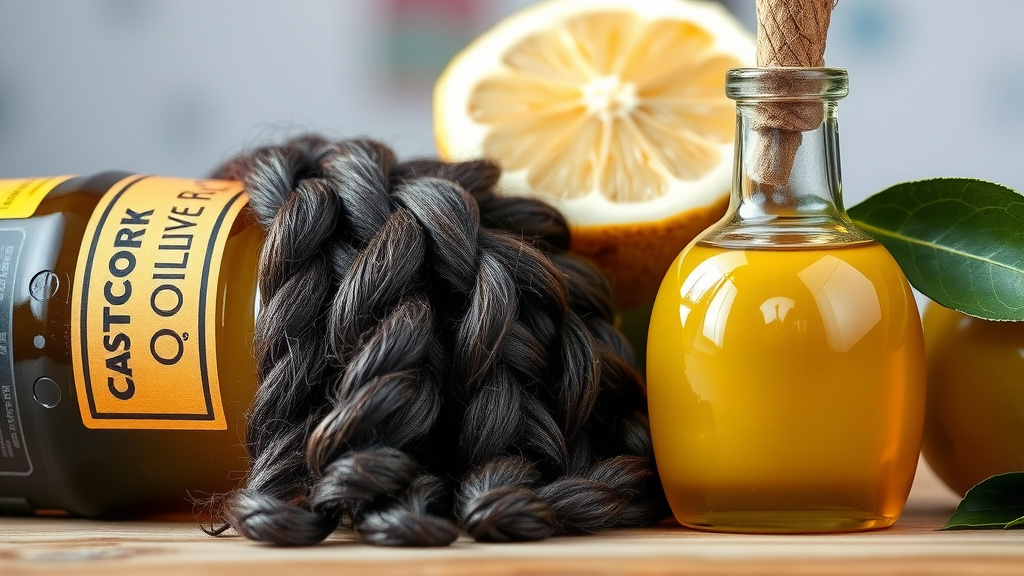
We found that consistency is key with any natural treatment. Whether you choose castor oil or olive oil, using it regularly will give you the best chance to see results. Your hair will thank you for the extra care!
“`
Conclusion
You’ve learned that when it comes to hair growth, castor oil often takes the lead. Its special ingredient, ricinoleic acid, is researched for its potential to boost scalp circulation and support healthier follicles. While olive oil is a superstar for moisturizing and adding shine, castor oil offers a more direct approach to encouraging growth.
Your best choice depends on your hair’s specific needs. If you’re aiming for more length and thickness, castor oil might be your go-to. For softer, smoother, and more manageable hair, olive oil is excellent. You can even try alternating them to give your hair the best of both worlds. Remember to patch test before applying generously, and enjoy your journey to healthier hair!
Frequently Asked Questions
Can I use castor oil and olive oil together?
Yes, you absolutely can use both castor oil and olive oil together. Many people find success by alternating their use based on what their hair needs. For example, you could use castor oil on your scalp for growth stimulation and then use olive oil as a conditioner on your lengths and ends.
How often should I use castor oil for hair growth?
For best results with castor oil, we found that using it 1-3 times per week is often recommended. You can leave it on for at least 30 minutes or even overnight before washing it out thoroughly. Consistency is key to seeing potential growth benefits.
Will olive oil make my hair greasy?
Olive oil can make your hair feel greasy if you use too much, especially if you have fine hair. We found that it’s best to start with a small amount and focus on applying it from the mid-lengths to the ends of your hair. Thoroughly rinsing it out after it has worked its magic is also important.
Is castor oil safe for all hair types?
Castor oil is generally safe for most hair types, but its thick consistency can be heavy for very fine or thin hair. We found that diluting castor oil with a lighter oil, like jojoba or almond oil, can make it more manageable for finer textures. Always patch test first to be sure.
How long does it take to see results from using these oils?
Results can vary greatly from person to person. We found that it often takes consistent use over several weeks or even months to notice significant changes. Patience is important when using natural remedies for hair growth and health.

![7 Best High Heat Olive Oil [2026]](https://bestpureessentialoils.com/wp-content/uploads/2026/08/7-best-high-heat-olive-oil-2026-featured-768x432.jpg)
![7 Best Cheap Extra Virgin Olive Oil [2026]](https://bestpureessentialoils.com/wp-content/uploads/2026/06/7-best-cheap-extra-virgin-olive-oil-2026-featured-768x432.jpg)