
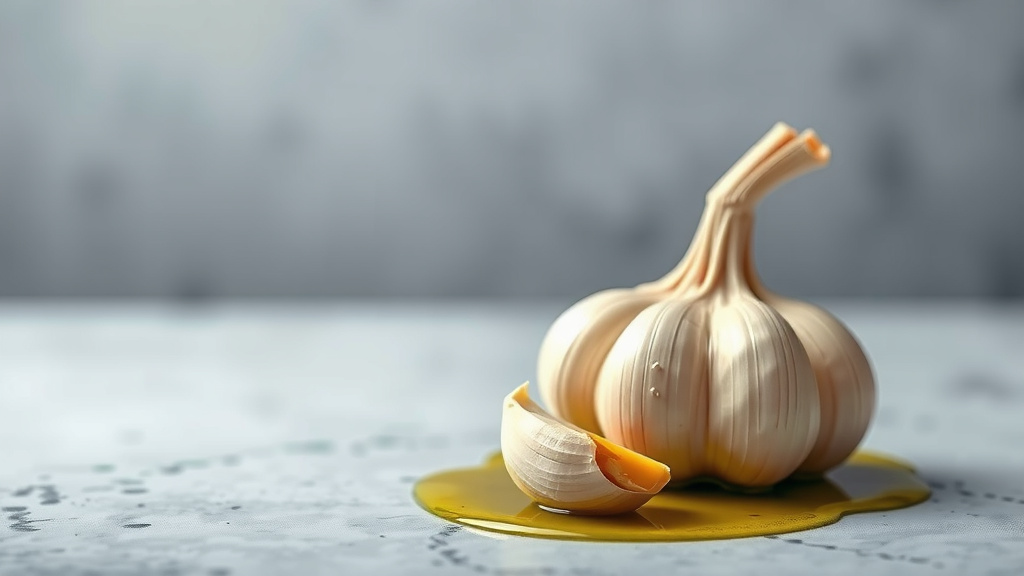
How Long Can Garlic Infuse in Olive Oil Safely
You can leave garlic in olive oil for a limited time, typically no more than a few days, when stored at room temperature. For longer storage, it’s best to refrigerate it, and even then, many sources recommend using it within one to two weeks to maintain the best quality and safety.
Many home cooks love the idea of infusing olive oil with garlic flavor. It sounds simple, right? You chop garlic, toss it in oil, and wait for magic. However, research and food safety guidelines highlight a serious risk: the potential for botulism if garlic sits in oil at room temperature for too long. This happens because garlic contains spores that can grow in the anaerobic (oxygen-free) environment of oil.
- Garlic in olive oil at room temperature is safe for only a few days.
- Refrigeration extends this to one to two weeks.
- Improper storage can lead to botulism, a serious risk.
- Always use fresh garlic and high-quality olive oil.
- Consider making garlic-infused oil in small batches.
Let’s break down exactly how long you can safely keep that garlicky goodness around and what you need to know to avoid any unwelcome surprises.
Storing Garlic Infused Olive Oil Safely
You’re probably wondering how long you can let that delicious garlic and olive oil sit around. We found that when it comes to garlic in olive oil, **temperature is everything**. Leaving it at room temperature for an extended period is a big no-no. It’s a common misconception that garlic oil is shelf-stable at room temperature, but the reality is quite different.
The Botulism Risk: What You Need to Know
Garlic naturally contains spores for a bacterium called Clostridium botulinum. These spores thrive in environments with low oxygen, like oil. When garlic sits in oil at room temperature, these spores can multiply and produce a dangerous toxin. This toxin causes botulism, a serious and potentially life-threatening illness. Many food safety experts, including those at the CDC, stress the importance of understanding this risk.
This isn’t about scaring you; it’s about empowering you with the right information. We want you to enjoy your delicious garlic-infused oil without any worries about foodborne illness. The key is to be mindful of storage conditions. It’s a simple step that makes a world of difference for your safety and the quality of your oil.
Room Temperature Storage: A Very Short Window
So, can you leave garlic in olive oil at room temperature? Yes, but only for a **very short time**. We found that most guidelines suggest no more than **24 to 48 hours** at room temperature. Think of it as a quick infusion, not a long-term storage solution. This is enough time to get a subtle garlic flavor into your oil for immediate use, like for a quick salad dressing or a garlic bread base.
If you’ve chopped fresh garlic and tossed it into olive oil, and you plan to use it within a day or two, room temperature is acceptable. However, as soon as that 48-hour mark approaches, it’s time to move it to a cooler spot. Don’t risk it! We always recommend a quick label with the date to keep track.
Refrigeration: Extending Shelf Life Safely
When you want to keep your garlic-infused oil for longer, refrigeration is your best friend. We found that storing garlic in olive oil in the **refrigerator significantly extends its safe storage time**. It slows down the potential growth of any harmful bacteria. This is where you can enjoy your infused oil for a week or even two.
Even in the fridge, it’s not an indefinite storage period. Many sources suggest using refrigerated garlic-infused oil within **one to two weeks**. After this period, the quality might decline, and while it might still be safe for a bit longer, we prefer to err on the side of caution. It’s always better to make smaller batches more frequently than to have a large batch that you worry about.
Tips for Refrigerated Garlic Oil
When you store garlic oil in the fridge, you might notice the olive oil solidifies. Don’t worry, that’s perfectly normal! It will become liquid again once it comes to room temperature. You might also see some sediment at the bottom, which is usually just tiny garlic particles.
To ensure the best quality, we found that it’s a good practice to strain out the garlic pieces after the initial infusion period. This helps prevent the garlic from becoming mushy or developing an off-flavor over time. Once strained, the infused oil can be stored more easily and is less likely to become a breeding ground for any lingering issues.
Freezing Garlic Infused Oil: An Option for Longer Storage
Thinking about keeping that delicious flavor around for months? Freezing is another viable option. We found that freezing garlic-infused olive oil can extend its shelf life for **several months**, often up to six months or even longer. This is a great way to preserve your harvest or a particularly good batch of infusion.
When freezing, it’s best to use small, freezer-safe containers or even ice cube trays. This way, you can thaw only the amount you need for a recipe. Pour your strained garlic-infused oil into these containers and pop them into the freezer. Remember to label them clearly with the date so you know how long they’ve been stored.
Thawing Frozen Garlic Oil
Thawing is simple: just take out the amount you need and let it come to room temperature. The oil will return to its liquid state, and the flavor should remain largely intact. Some very subtle changes in texture might occur, but overall, freezing is a reliable method for long-term storage.
Best Practices for Garlic Oil Preparation and Storage
To ensure your garlic-infused olive oil is both safe and delicious, there are a few key practices to follow. We found that starting with the right ingredients and maintaining good hygiene are paramount. This makes all the difference in the final product and its safety.
Choosing Your Ingredients
Always start with **fresh, high-quality garlic**. Avoid using garlic that is already sprouting or has soft spots, as these can indicate spoilage. Similarly, use a good quality olive oil. Extra virgin olive oil will offer the most flavor, but any olive oil you enjoy will work. Using fresh ingredients is the first step to a superior, safer infusion.
The Infusion Process
When infusing, consider the form of garlic you use. Raw, chopped garlic is the most common but also carries the highest risk for botulism at room temperature. For longer-term room temperature infusions, you’d need to dry the garlic completely or use roasted garlic, as the moisture content is reduced, and the heat from roasting can kill some initial spores. However, for most simple, fresh infusions, we strongly recommend using refrigeration immediately after the initial short infusion.
Storage Checklist: Your Quick Guide
To help you remember the key points, here’s a handy checklist:
- Always use **fresh garlic** and good quality olive oil.
- Infuse at room temperature for **no more than 48 hours**.
- **Refrigerate** garlic-infused oil promptly after the initial infusion.
- Use refrigerated oil within **1-2 weeks**.
- For longer storage, **freeze** in small portions.
- Consider straining out garlic pieces after infusion for better quality.
When in Doubt, Throw It Out!
This is a golden rule in food safety, and it applies to garlic-infused oil too. If your oil smells off, looks cloudy (beyond the normal solidification in the fridge), or you have any doubt about its freshness or how it was stored, please discard it. It’s not worth the risk. We found that trusting your senses and following food safety guidelines is the best approach.
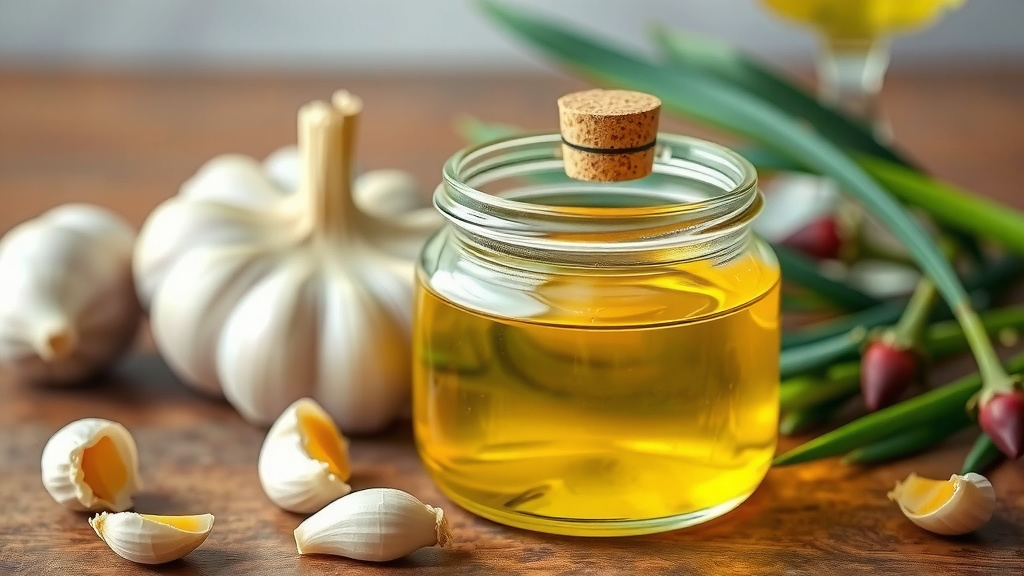
Conclusion
Keeping garlic in olive oil sounds simple, but proper storage is key to enjoying its flavor safely. Remember, room temperature is only for a very short window, about 24-48 hours. Beyond that, you risk harmful bacteria growth. Refrigeration extends this to one to two weeks, and freezing offers months of preservation. We’ve found that by following these guidelines and prioritizing safety, you can confidently create and use your own delicious garlic-infused olive oil. For your next infusion, plan to use it quickly or get it into the fridge right away!
Frequently Asked Questions
Can I use dried garlic in olive oil for room temperature storage?
Using fully dried garlic can reduce the moisture content, which helps. However, research suggests it’s still safer to refrigerate, even with dried garlic. If you’re aiming for a longer room-temperature infusion, consider using roasted garlic, as the heat process can reduce initial spore counts. But for fresh garlic, immediate refrigeration is best.
What happens if I accidentally leave garlic in olive oil at room temperature for too long?
If you leave garlic in olive oil at room temperature beyond a couple of days, you increase the risk of Clostridium botulinum bacteria growing. This can produce a dangerous toxin that causes botulism. We found that symptoms can appear quickly and are very serious. It’s always better to err on the side of caution if you’re unsure.
Will the olive oil become cloudy if I store it in the refrigerator?
Yes, it’s perfectly normal for olive oil to become cloudy or even solidify when refrigerated. This is due to its natural fat content. When you bring the oil back to room temperature, it will return to its normal liquid state. We’ve found this doesn’t affect the flavor or safety of your infused oil.
How do I know if my garlic-infused olive oil has gone bad?
Trust your senses! If your garlic-infused olive oil develops an off smell, has a strange or excessively bitter taste, or looks unusually cloudy (beyond normal solidification), it’s best to discard it. We always advise, “When in doubt, throw it out,” to ensure you’re not taking any risks with your health.
Is it safe to use garlic-infused oil that has been refrigerated for more than two weeks?
While refrigeration slows bacterial growth, the quality and safety of garlic-infused oil can still decline after one to two weeks. We found that while it might still be safe for a short period after, its flavor may diminish, and the risk of spoilage increases. It’s best to use it within the recommended two-week window for optimal results and safety.

![7 Best Olive Oil Brand At Whole Foods [2026]](https://bestpureessentialoils.com/wp-content/uploads/2026/09/7-best-olive-oil-brand-at-whole-foods-2026-featured-768x432.jpg)