
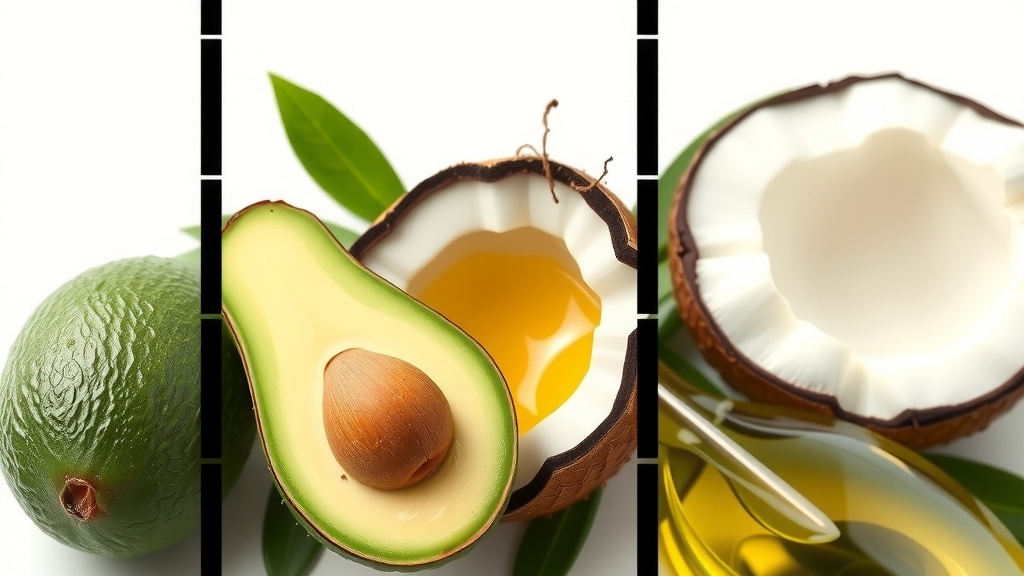
Avocado Oil vs Coconut Oil vs Olive Oil: Which is Best
When choosing between avocado oil, coconut oil, and olive oil for cooking, olive oil is generally considered the best all-around choice for everyday use. It offers a good balance of healthy fats and a versatile flavor profile that works well in most dishes. Avocado oil is a close second, especially for high-heat cooking due to its smoke point. Coconut oil is best suited for specific recipes where its distinct flavor and saturated fat content are desired.
Each of these oils brings something unique to your kitchen. They differ in their fatty acid composition, smoke points, and flavor. Understanding these differences will help you pick the right oil to enhance your meals and support your health goals. We’ve looked at what makes each one stand out.
- Olive oil is a top choice for general cooking.
- Avocado oil is excellent for high-heat cooking.
- Coconut oil is great for specific flavors and recipes.
- Each oil has unique health benefits and flavor notes.
- Consider your cooking method and desired taste when choosing.
Let’s break down avocado oil, coconut oil, and olive oil so you can make the best choice for your cooking needs.
Choosing Your Cooking Oil: Avocado vs. Coconut vs. Olive
Navigating the world of cooking oils can feel a bit overwhelming. You want something that tastes good, cooks well, and is good for you. Today, we’re breaking down three popular choices: avocado oil, coconut oil, and olive oil. Let’s figure out which one is your kitchen’s best friend for different tasks.
Understanding the Basics: Fats, Smoke, and Flavor
Before we dive into each oil, it’s helpful to know what makes them different. The main distinctions lie in their fatty acid profiles, smoke points, and inherent flavors. These three factors will guide you to the right oil for your cooking needs.
Fatty Acid Profiles: What’s Inside Matters
Oils are made up of fats, and these fats come in different types. You’ll often hear about saturated, monounsaturated, and polyunsaturated fats. Many health organizations suggest focusing on oils rich in monounsaturated and polyunsaturated fats (like olive and avocado oil) and moderating saturated fats (like coconut oil) (CDC).
- Monounsaturated Fats: Often called “good fats,” these can help improve cholesterol levels.
- Polyunsaturated Fats: These include omega-3 and omega-6 fatty acids, which are essential for your body.
- Saturated Fats: While they have a role, consuming too much can affect your health.
Smoke Points: When an Oil Starts to Burn
The smoke point is the temperature at which an oil begins to produce visible smoke. When oil smokes, it can break down and produce harmful compounds. It also imparts a burnt taste to your food. Oils with higher smoke points are better for high-heat cooking methods.
Flavor Notes: Adding Taste to Your Dishes
Does the oil add a flavor to your food, or does it stay neutral? This is a key consideration. Some oils have a distinct taste that can complement certain dishes, while others are designed to let the food’s natural flavors shine through.
Avocado Oil: The High-Heat Hero
When you need an oil that can handle the heat, avocado oil often comes out on top. It’s pressed from the flesh of the avocado fruit, giving it a creamy texture and a mild, buttery flavor.
Its High Smoke Point Advantage
Avocado oil boasts a very high smoke point, typically around 500-520°F (260-271°C) for refined versions. This makes it an excellent choice for searing, frying, grilling, and roasting. You can confidently use it for your weeknight stir-fries or weekend barbecue without worrying about it breaking down.
Health Benefits and Fatty Acids
Research indicates avocado oil is rich in monounsaturated fats, particularly oleic acid. This is the same type of fat found in olive oil, which is linked to heart health benefits. It also contains some vitamin E, an antioxidant. Many studies suggest these fats can help lower bad cholesterol levels (NCBI).
Versatility in the Kitchen
While it shines at high temperatures, avocado oil is also versatile enough for lower-heat cooking and even dressings. Its neutral flavor means it won’t overpower delicate ingredients. You can use it in baking, sauces, and marinades.
Coconut Oil: For Specific Flavors and Textures
Coconut oil has gained a lot of popularity, partly for its distinct tropical flavor and partly for its unique fat composition. It’s extracted from the flesh of mature coconuts.
Saturated Fat Content and Health
Coconut oil is uniquely high in saturated fat, about 90% (Harvard Health). Most of this is medium-chain triglycerides (MCTs), which are metabolized differently than long-chain fats. While research is ongoing, some studies suggest MCTs may have certain health benefits, like providing quick energy. However, many health guidelines still recommend limiting overall saturated fat intake (Mayo Clinic).
Smoke Point and Cooking Uses
Refined coconut oil has a smoke point around 400°F (204°C), while unrefined versions are lower, around 350°F (177°C). This means it’s best suited for medium-heat cooking. It’s fantastic for baking, especially in recipes where you want a hint of coconut flavor. Think cookies, muffins, or even sautéing vegetables for a tropical twist.
Flavor Profile: A Tropical Touch
Unrefined coconut oil has a distinct coconut aroma and taste, which can be a wonderful addition to certain dishes. Refined coconut oil has a more neutral flavor, making it a bit more adaptable. If you’re aiming for a savory Asian-inspired dish or a sweet dessert, coconut oil can be a delicious choice.
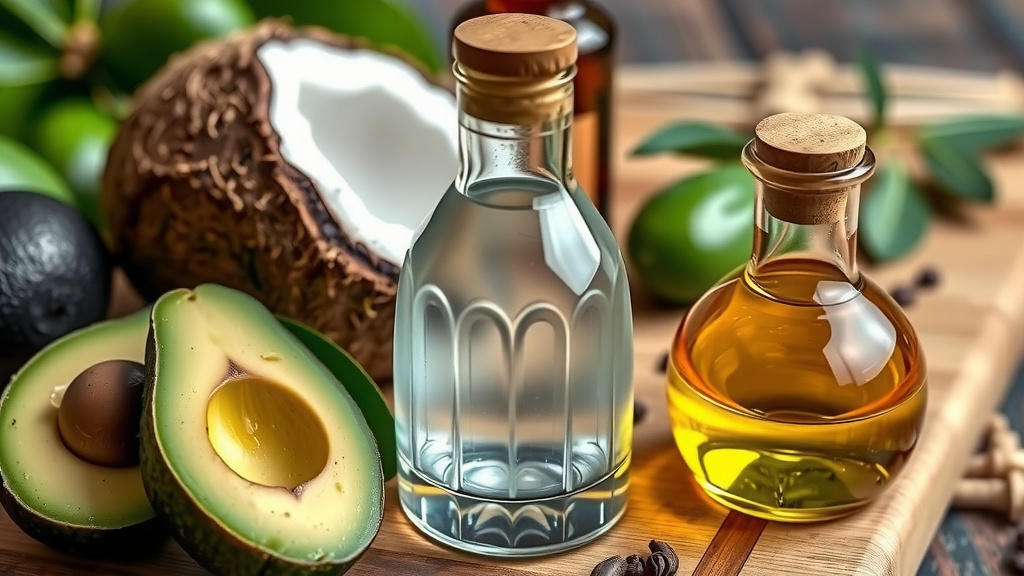
Olive Oil: The Everyday All-Star
Olive oil is a staple in many kitchens worldwide, especially in Mediterranean diets. It’s extracted from olives and comes in various forms, with extra virgin being the least processed.
Extra Virgin vs. Refined Olive Oil
Extra Virgin Olive Oil (EVOO) is the highest grade. It’s cold-pressed, retaining more of its natural flavor, color, and beneficial compounds. Its smoke point is typically around 375-405°F (190-207°C). Regular or light olive oil is refined, giving it a higher smoke point (around 465°F or 240°C) but fewer nutrients and a milder flavor.
Health Benefits of Olive Oil
Olive oil, particularly EVOO, is celebrated for its health benefits. It’s loaded with monounsaturated fats and antioxidants like polyphenols. These compounds are linked to reduced inflammation and protection against heart disease. Guidelines often recommend it as a primary source of dietary fat (Harvard Health).
Culinary Applications
Because of its flavor and smoke point, EVOO is perfect for salad dressings, drizzling over finished dishes, and low-to-medium heat sautéing. For higher heat cooking, refined olive oil or a blend might be a better choice to avoid smoke.
Quick Comparison: At a Glance
Let’s put these oils side-by-side to help you decide:
| Oil Type | Primary Fats | Typical Smoke Point | Flavor Profile | Best For |
|---|---|---|---|---|
| Avocado Oil | Monounsaturated | ~500-520°F (260-271°C) | Mild, buttery, neutral | High-heat cooking, frying, roasting |
| Coconut Oil | Saturated (MCTs) | ~350-400°F (177-204°C) | Distinct coconut (unrefined), neutral (refined) | Baking, medium-heat sautéing, specific recipes |
| Olive Oil (EVOO) | Monounsaturated | ~375-405°F (190-207°C) | Fruity, peppery, grassy | Dressings, finishing, low-heat cooking |
| Olive Oil (Refined) | Monounsaturated | ~465°F (240°C) | Very mild, neutral | General cooking, higher-heat sautéing |
Making Your Choice: A Simple Checklist
To wrap things up, think about these questions when you’re reaching for a bottle:
- What cooking temperature are you using? High heat means avocado oil.
- Do you want a specific flavor? Coconut oil adds a tropical note.
- Are you making a salad dressing? Extra virgin olive oil is ideal.
- Are you baking something sweet? Coconut oil or even avocado oil can work well.
- Are you aiming for maximum health benefits? Extra virgin olive oil is a great daily choice.
- Do you need a neutral oil for any purpose? Refined avocado or refined olive oil are good options.
Conclusion
You’ve got a handle on the differences between avocado oil, coconut oil, and olive oil. Remember, there’s no single “best” oil—it’s all about your cooking needs. For high-heat searing and roasting, reach for avocado oil due to its impressive smoke point. If a recipe calls for a tropical hint or you enjoy that distinct flavor, coconut oil is your go-to. And for everyday sautéing, dressings, and general health benefits, extra virgin olive oil remains a champion. You are now ready to pick the perfect oil for your next delicious meal!
Frequently Asked Questions
Which oil is healthiest for daily cooking?
For daily cooking, extra virgin olive oil is often considered the healthiest choice. It’s rich in monounsaturated fats and antioxidants that support heart health. Its flavor also makes it versatile for dressings and low-heat cooking.
Can I substitute coconut oil for olive oil in recipes?
You can, but be mindful of the flavor and fat content. Coconut oil has a distinct flavor and is high in saturated fat, which might alter the taste of your dish. It works best in recipes where a coconut flavor is welcome or desired.
Is avocado oil good for baking?
Yes, avocado oil is excellent for baking. Its neutral flavor won’t interfere with the taste of your baked goods. Plus, its monounsaturated fat content can contribute to moist textures in cakes, muffins, and breads.
What is the best oil for frying food?
For frying, you need an oil with a high smoke point to prevent burning and producing harmful compounds. Avocado oil is an excellent choice for frying due to its very high smoke point.
Does the color of olive oil matter for health?
While color can indicate quality and richness, it’s not the sole determinant of health benefits. However, extra virgin olive oil, which is often greener, tends to retain more beneficial compounds and antioxidants than lighter varieties.

![7 Best High End Olive Oil [2026]](https://bestpureessentialoils.com/wp-content/uploads/2026/08/7-best-high-end-olive-oil-2026-featured-768x432.jpg)
![7 Best Extra Virgin Olive Oil Organic [2026]](https://bestpureessentialoils.com/wp-content/uploads/2026/08/7-best-extra-virgin-olive-oil-organic-2026-featured-768x432.jpg)
![7 Best Infused Olive Oils [2026]](https://bestpureessentialoils.com/wp-content/uploads/2026/08/7-best-infused-olive-oils-2026-featured-768x432.jpg)
![7 Best Medicinal Olive Oil [2026]](https://bestpureessentialoils.com/wp-content/uploads/2026/09/7-best-medicinal-olive-oil-2026-featured-768x432.jpg)