
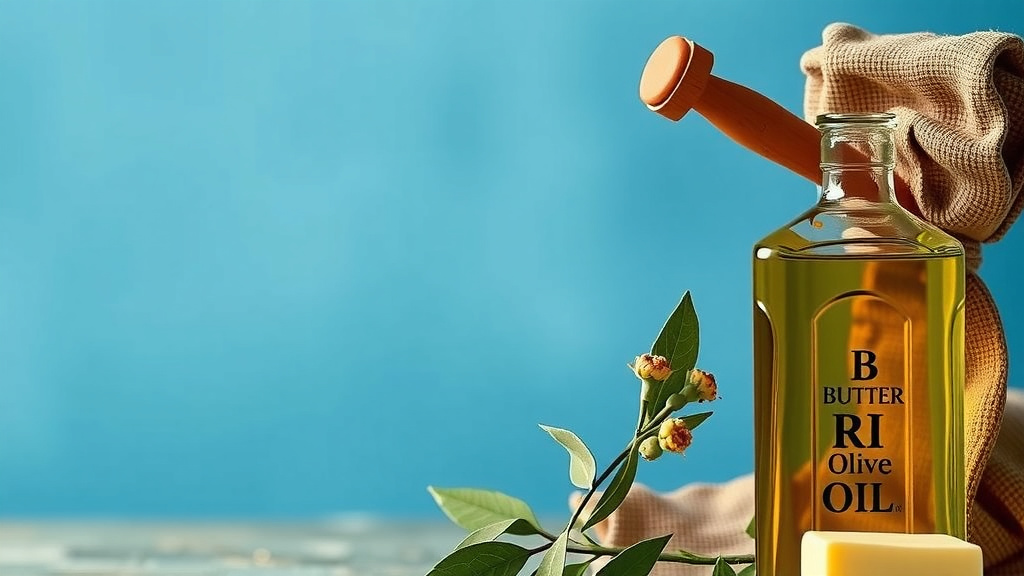
Butter vs Olive Oil Reddit: Which is Healthier
When deciding between butter and olive oil for cooking, it often comes down to smoke point and flavor. Olive oil, especially extra virgin, has a lower smoke point than butter, making it better suited for lower-heat cooking and finishing dishes. Butter, with its higher smoke point, can handle higher heat better, but can also burn easily if not watched. Many people prefer olive oil for its health benefits and distinct taste.
On Reddit, the butter vs. olive oil debate is frequent. Users often discuss which is healthier and which provides a better flavor for specific recipes. We found that the best choice really depends on what you’re making. Some swear by butter for baking, while others insist on olive oil for sautéing vegetables. It’s a conversation about personal preference meeting culinary science.
- Butter offers richness and is great for baking and finishing.
- Olive oil is generally healthier and great for sautéing and dressings.
- Smoke point is a key difference, affecting cooking methods.
- Flavor profiles vary significantly between the two.
Let’s dive into what makes each unique and when you might reach for one over the other.
Butter vs. Olive Oil: What Reddit Says About Your Kitchen Staples
If you’ve ever scrolled through Reddit’s cooking subreddits, you’ve likely seen the lively discussions about butter versus olive oil. It’s a classic kitchen debate! People are passionate about their preferences, and for good reason. Both are fantastic fats, but they behave very differently. We’ve sifted through the chatter to bring you the key takeaways. What are the real differences? When should you use which? Let’s break it down.
Understanding the Key Differences: Smoke Points and Health
The biggest players in the butter versus olive oil debate are their smoke points and their health profiles. These two factors dictate how and when you should use each. Think of smoke point as the temperature at which your fat starts to break down and smoke. When fat smokes, it can impart a bitter taste and lose some of its beneficial qualities.
Smoke Point Showdown: Which Can Take the Heat?
Butter has a relatively low smoke point. Around 300-350°F (150-175°C) for unsalted butter, it starts to smoke. This is because butter contains milk solids, which burn easily. Olive oil, especially refined versions, generally has a higher smoke point. Extra virgin olive oil, prized for its flavor, typically smokes between 375-405°F (190-207°C). Other, more refined olive oils can go even higher.
The Health Halo: What the Science Says
When it comes to health, olive oil often gets the gold star. It’s rich in monounsaturated fats, which are considered heart-healthy. Studies have linked these fats to reduced risk of heart disease (National Institutes of Health). Extra virgin olive oil also contains antioxidants like polyphenols, which have anti-inflammatory properties. Butter, on the other hand, is higher in saturated fat. While saturated fat isn’t the villain it was once made out to be, moderation is key. Many health organizations recommend limiting saturated fat intake.
When to Reach for Butter: Richness and Baking Bliss
Butter brings a certain something special to the table. Its creamy texture and rich flavor are hard to replicate. It’s a cornerstone in many beloved recipes, especially when it comes to baked goods. You might find yourself reaching for butter when you want that classic, comforting taste.
The Baker’s Best Friend
If you’re baking cookies, cakes, or pastries, butter is usually your go-to. Its fat content and flavor contribute to the structure and deliciousness of baked goods. Butter helps create flaky pie crusts and gives cookies that tender chew. Trying to substitute oil for butter in baking can sometimes alter the texture significantly. Most baking recipes are formulated with butter’s unique properties in mind.
Finishing Touches and Sautéing Low and Slow
Butter is also fantastic for a quick pan-sear at medium heat or for adding a luxurious finish to dishes. A knob of butter melted into a pan sauce or stirred into just-cooked pasta adds incredible richness. However, remember its lower smoke point. If you’re searing a steak on high heat, butter might burn before your steak is ready. In these cases, you might want to clarify your butter first, which removes the milk solids and raises the smoke point.
Olive Oil’s Versatility: From Dressings to High-Heat Sautéing
Olive oil is incredibly versatile and a staple in many kitchens, especially those following a Mediterranean diet. Its health benefits and distinct flavor profile make it a popular choice for a wide range of cooking applications. You can do so much with a good bottle of olive oil.
The Salad Dressing Superstar
For salad dressings and vinaigrettes, extra virgin olive oil is often the star. Its fruity or peppery notes can really elevate a simple salad. It emulsifies well with vinegars or citrus juices. Many people find the taste of raw olive oil on greens to be wonderfully fresh and bright. It’s a simple way to add healthy fats and flavor to your meals.
Sautéing and Roasting with Confidence
Thanks to its higher smoke point, olive oil is excellent for sautéing vegetables, searing chicken, or roasting vegetables at higher temperatures. You can confidently cook your ingredients without worrying too much about burning the fat. This makes it a workhorse in everyday cooking. When you need a reliable fat that can handle moderate to high heat, olive oil is often the perfect pick.
Infusing Flavors and Marinating
Olive oil is also a wonderful base for marinades and infused oils. You can add herbs, garlic, or chili flakes to olive oil to create custom flavor combinations. This is a great way to impart flavor into meats, vegetables, or even breads before cooking or serving. It’s a blank canvas that readily accepts other tastes.
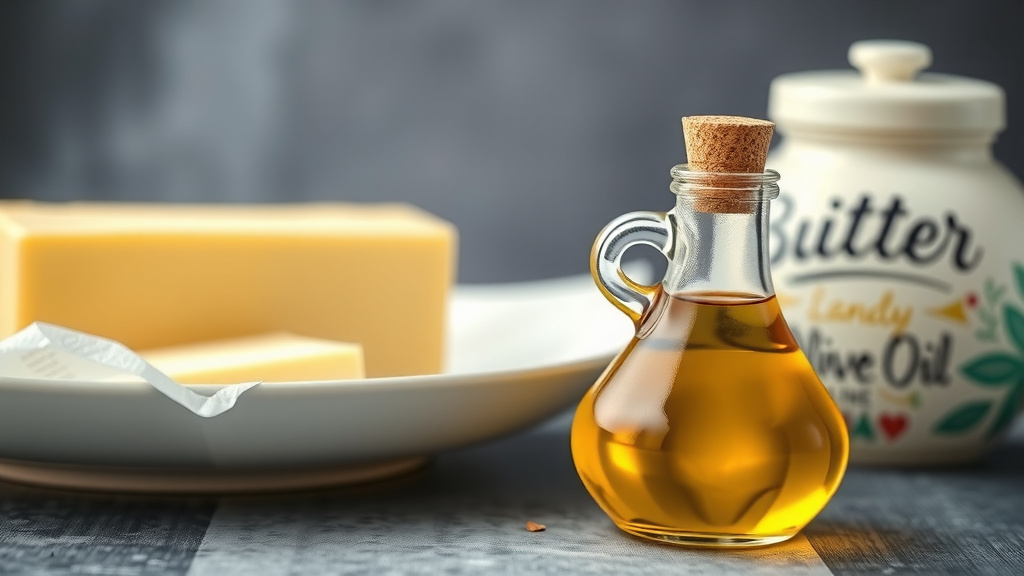
When the Reddit Community Weighs In: Common Threads
We found that Reddit users often share practical advice based on their own cooking experiences. It’s a treasure trove of kitchen hacks and recipe tips. While personal preferences dominate, certain patterns emerge from these discussions. People tend to gravitate toward what works best for their specific culinary goals.
Baking vs. Sautéing: The Consensus
A strong consensus on Reddit is that butter reigns supreme in baking. The flavor and texture it imparts are considered irreplaceable for many sweet treats. Conversely, when it comes to sautéing vegetables or cooking proteins where you want a clean flavor and good heat tolerance, olive oil is frequently recommended. Many users suggest having both on hand.
Health Considerations and Dietary Choices
Many Redditors discuss the health aspects. Those focused on heart health or a Mediterranean lifestyle often favor olive oil. They point to its monounsaturated fats and antioxidants. Others note that butter, in moderation, can be part of a balanced diet. It really comes down to your personal dietary goals and how you plan to use the fat.
Making Your Choice: A Quick Checklist
Deciding between butter and olive oil doesn’t have to be complicated. Consider what you’re trying to achieve in the kitchen. Here’s a simple way to guide your decision:
- For rich flavor and tender baked goods: Reach for **butter**.
- For salad dressings and vinaigrettes: Choose **extra virgin olive oil**.
- For high-heat sautéing and roasting: Select **olive oil** (especially refined if heat is very high).
- For a quick pan-sear at medium heat: Either can work, but **butter** adds great browning.
- If prioritizing heart-healthy fats: **Olive oil** is generally the preferred choice.
- When you want that creamy, comforting finish: **Butter** often delivers best.
| Fat Type | Typical Smoke Point | Primary Flavor Profile | Best For |
|---|---|---|---|
| Unsalted Butter | ~300-350°F (150-175°C) | Rich, creamy, slightly sweet | Baking, finishing sauces, low-medium heat sautéing |
| Extra Virgin Olive Oil | ~375-405°F (190-207°C) | Fruity, peppery, herbaceous | Salad dressings, marinades, low-medium heat sautéing, roasting |
| Refined Olive Oil | ~400-470°F (204-243°C) | Mild, neutral | High-heat sautéing, roasting, frying |
Conclusion
You’ve now seen why butter and olive oil spark so much kitchen debate, especially on Reddit. We found that neither fat is inherently “better”; they’re just different tools for different jobs. Butter shines in baking and adds richness to sauces. Olive oil offers heart-healthy fats and handles higher heat for sautéing and roasting. Your choice depends entirely on the recipe and your cooking goals. So, keep both in your pantry! Having both will give you the flexibility to achieve perfect results every time.
Frequently Asked Questions
Can I substitute olive oil for butter in baking?
Generally, it’s not a direct 1:1 swap. Olive oil has a different fat composition and water content than butter. Substituting it can change the texture and density of your baked goods. While some recipes are designed for oil, many traditional baked goods rely on butter for their structure and flavor.
Is clarified butter the same as butter for cooking?
Clarified butter is butter with the milk solids and water removed. This process significantly raises its smoke point, making it much more stable for high-heat cooking. While it still offers a rich butter flavor, it lacks the milk solids that can burn easily in regular butter.
Which olive oil is best for high-heat cooking?
For high-heat cooking like searing or frying, a refined olive oil is your best bet. These oils have had most of their flavor compounds and impurities removed, giving them a much higher smoke point than extra virgin olive oil. Extra virgin is better suited for lower-heat cooking and finishing.
Does the flavor of olive oil really matter for salad dressings?
Yes, the flavor of your olive oil can significantly impact your salad dressing. Extra virgin olive oils offer distinct fruity, peppery, or herbaceous notes that can truly enhance a vinaigrette. A neutral oil might be preferred if you want other dressing ingredients to be the star.
What do Redditors recommend if I want to cook healthier?
Many Reddit discussions lean towards olive oil when health is a primary concern, particularly for everyday cooking. Its high content of monounsaturated fats and antioxidants is frequently cited. They often suggest using olive oil for sautéing and roasting, while reserving butter for baking and flavor finishes.

![7 Best Grocery Store Olive Oil [2026]](https://bestpureessentialoils.com/wp-content/uploads/2026/07/7-best-grocery-store-olive-oil-2026-featured-768x432.jpg)
![7 Best Italian Olive Oil For Dipping Bread [2026]](https://bestpureessentialoils.com/wp-content/uploads/2026/08/7-best-italian-olive-oil-for-dipping-bread-2026-featured-768x432.jpg)
![7 Best Extra Virgin Olive Oil In Italy [2026]](https://bestpureessentialoils.com/wp-content/uploads/2026/08/7-best-extra-virgin-olive-oil-in-italy-2026-featured-768x432.jpg)
![7 Best Italian Tuna In Olive Oil [2026]](https://bestpureessentialoils.com/wp-content/uploads/2026/08/7-best-italian-tuna-in-olive-oil-2026-featured-768x432.jpg)