
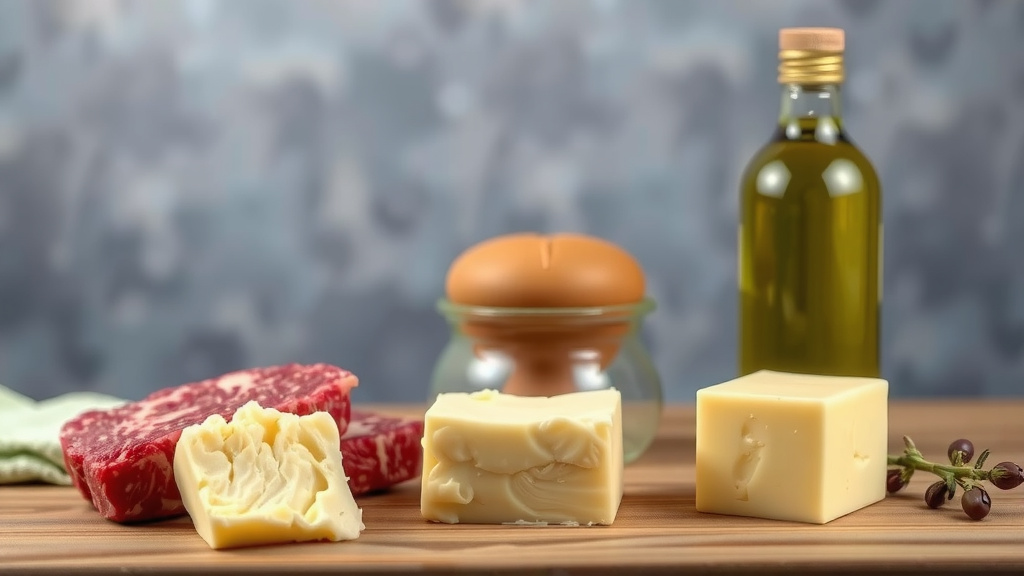
Beef Tallow vs Butter vs Olive Oil: Which Fat Reigns Supreme
When deciding between beef tallow, butter, and olive oil for your cooking, the best choice often depends on your specific needs. For high-heat cooking like searing steak, beef tallow and butter are generally preferred due to their higher smoke points. Olive oil, especially extra virgin, is best suited for lower-heat cooking and dressings because of its delicate flavor and lower smoke point.
Understanding the unique properties of each fat is key to unlocking delicious results in your kitchen. We found that each fat brings distinct flavors and cooking capabilities to the table. Consider the health benefits and flavor profile each offers to make the most informed decision for your meals.
- Beef tallow is great for high-heat searing and has a rich flavor.
- Butter adds delicious flavor but can burn at high temperatures.
- Olive oil is best for low-heat cooking, sautéing, and dressings.
- Consider smoke point, flavor, and health aspects when choosing.
Let’s break down beef tallow, butter, and olive oil so you can pick the perfect fat for your next dish.
Choosing Your Cooking Fat: Tallow, Butter, and Olive Oil Compared
Deciding which fat to use for your cooking can feel like a big decision. You’ve got beef tallow, butter, and olive oil all vying for a spot in your pan. We’ve looked into what makes each one special. Each fat offers something different, from how it handles heat to the taste it adds to your food. Let’s break down these popular choices.
Beef Tallow: The Searing Powerhouse
Beef tallow is rendered beef fat. It’s been used for centuries in kitchens. Many home cooks are rediscovering its benefits. It adds a wonderful richness to many dishes. Think of it as a flavor enhancer. It’s particularly good for achieving that perfect sear on meats.
What is Beef Tallow?
Simply put, it’s the fat from beef that has been melted down and purified. This process removes water and other impurities. The result is a stable fat. It has a mild beefy flavor. It also has a high smoke point. This makes it ideal for certain cooking methods.
Cooking with Beef Tallow
Beef tallow shines when you need high heat. This is great for searing steaks. You can also use it for pan-frying potatoes. It helps create a beautiful, crispy crust. Its flavor complements savory dishes wonderfully. Many chefs prefer it for roasts too.
Smoke Point Considerations
Beef tallow has a smoke point around 400°F (204°C). This is quite high. It means it can withstand high cooking temperatures. It won’t break down and smoke as easily as some other fats. This stability is key for getting that deep brown sear without burning.
Flavor Profile of Tallow
While it comes from beef, refined tallow has a subtle flavor. It’s not overpowering. It can actually enhance the natural taste of your food. Some people describe it as having a savory, almost nutty note. It doesn’t leave a greasy aftertaste, either.
Butter: The Flavor Favorite
Butter is a staple in many kitchens. Its creamy texture and rich taste are hard to beat. It’s wonderful for adding a gourmet touch. However, you need to be mindful of how you use it.
Understanding Butter
Butter is made from churning cream. It’s about 80-82% fat. The rest is water and milk solids. These milk solids are what can cause butter to burn at high heat. There are different types, like salted, unsalted, and clarified.
Using Butter in Cooking
Butter is fantastic for flavor. It’s great for sautéing vegetables at lower temperatures. It adds a lovely richness to baked goods. It’s also a perfect finishing fat. A swirl of butter at the end of cooking can transform a dish. Think of sauces, pan sauces, or finishing pasta.
Butter’s Smoke Point Challenge
Regular butter has a smoke point around 300-350°F (150-175°C). This is moderate. The milk solids will start to brown and burn if heated too high. This is why it’s not the best choice for high-heat searing on its own. You can use clarified butter, though. Clarified butter has had the milk solids removed, raising its smoke point.
The Deliciousness of Butter
Butter offers a distinct, creamy taste. It adds a certain comfort and depth to foods. It’s the go-to for many bakers. It’s also a popular choice for spreading on toast or vegetables. The flavor it imparts is often considered a mark of quality.
Olive Oil: The Versatile Choice
Olive oil is perhaps the most widely recognized cooking oil. It comes in various forms, each with unique characteristics.
What is Olive Oil?
Olive oil is pressed from olives. The quality can vary widely. Extra virgin olive oil (EVOO) is the least processed. It retains the most flavor and nutrients. Other types, like regular or light olive oil, are more refined.
When to Use Olive Oil
Olive oil is incredibly versatile. It’s excellent for dressings and marinades. Its flavor can brighten up salads and vegetables. It’s also good for low-to-medium heat sautéing. Many people use it for baking, especially cakes and muffins.
Olive Oil’s Smoke Point Range
The smoke point of olive oil varies by type. Extra virgin olive oil typically has a smoke point around 375-405°F (190-207°C). This is suitable for most everyday cooking. Refined olive oils have higher smoke points. Always check the label if you plan to cook at higher temperatures.
Flavor and Health Benefits
EVOO has a distinct fruity or peppery taste. This flavor is prized in Mediterranean cuisine. It also contains healthy monounsaturated fats and antioxidants (National Institutes of Health). These properties make it a popular choice for health-conscious cooks.
Quick Comparison Table
Here’s a simple way to see the differences:
| Fat Type | Best For | Approx. Smoke Point | Flavor Profile |
|---|---|---|---|
| Beef Tallow | High-heat searing, roasting, frying | ~400°F (204°C) | Rich, savory, subtle beef notes |
| Butter | Sautéing (low-medium heat), baking, finishing | ~300-350°F (150-175°C) | Creamy, rich, buttery |
| Olive Oil (EVOO) | Dressings, marinades, low-medium heat sautéing | ~375-405°F (190-207°C) | Fruity, peppery, grassy |
Making Your Choice for the Kitchen
So, which fat wins? It really depends on what you’re cooking. Do you need a fat that can handle serious heat for a perfect steak sear? Beef tallow might be your best friend. Are you baking cookies or making a delicate pan sauce? Butter is likely the way to go. For a fresh salad dressing or a light sauté, reach for olive oil.
Consider Your Recipe
Always think about the specific recipe. High heat needs stable fats like tallow. Delicate flavors often benefit from fats like butter or olive oil. Some recipes even benefit from a blend of fats for both flavor and function.
Your Health Goals Matter
From a health perspective, all these fats can be part of a balanced diet when used in moderation. Olive oil is often highlighted for its monounsaturated fats. Beef tallow is high in saturated fat, but some research suggests it may have certain benefits in controlled amounts. Butter contains saturated fat but also some beneficial fatty acids. The National Heart, Lung, and Blood Institute recommends limiting saturated fat intake.
A Quick Checklist for Choosing Your Fat:
- What is the cooking temperature?
- Do you want to add a specific flavor?
- Is the dish savory or sweet?
- Are you making a dressing or sauce?
- Consider the health aspects of the fat.
Conclusion
Choosing between beef tallow, butter, and olive oil comes down to your cooking goals. We’ve learned that tallow is your high-heat champion, perfect for searing. Butter offers delicious flavor but needs careful temperature control. Olive oil is a versatile choice for lighter cooking and dressings. Think about your recipe’s heat, desired taste, and even your health considerations. By understanding each fat’s strengths, you can confidently select the best one for your next culinary creation and achieve fantastic results every time.
Frequently Asked Questions
Can I substitute beef tallow for butter in baking?
Generally, it’s not a direct swap. Beef tallow has a different fat composition and flavor profile than butter. While you might be able to substitute it in some savory baked goods, it could alter the texture and taste in sweet recipes like cakes or cookies.
Is olive oil healthy for high-heat cooking?
Extra virgin olive oil has a moderate smoke point, around 375-405°F (190-207°C). While it can handle some everyday cooking like sautéing, it’s not ideal for very high-heat searing. Using it beyond its smoke point can degrade its beneficial compounds and create an unpleasant flavor.
Does beef tallow have a strong beefy taste?
Refined beef tallow has a subtle, savory flavor that often enhances other ingredients without being overpowering. It’s much milder than you might expect. This makes it a versatile fat that complements many dishes, from roasted vegetables to fried potatoes.
What’s the best way to store these cooking fats?
Butter should typically be stored in the refrigerator to maintain freshness. Olive oil is best kept in a cool, dark place, away from direct sunlight and heat. Beef tallow, due to its stability, can be stored at room temperature for a good while or in the refrigerator for longer shelf life.
Can I use butter for searing steaks?
You can use butter for searing steaks, but you need to be careful. Butter’s lower smoke point means the milk solids can burn quickly. Many cooks use a combination of butter and a more stable fat, like oil or clarified butter, to get the flavor of butter without the burning.

![7 Best Chilean Olive Oil [2026]](https://bestpureessentialoils.com/wp-content/uploads/2026/06/7-best-chilean-olive-oil-2026-featured-768x432.jpg)
![7 Best Olive Oil At Costco [2026]](https://bestpureessentialoils.com/wp-content/uploads/2026/07/7-best-olive-oil-at-costco-2026-featured-768x432.jpg)