
Coconut Oil vs Olive Oil for Baking: Which is Best
When deciding between coconut oil and olive oil for baking, it really depends on the outcome you’re aiming for. For a lighter texture and a subtle tropical hint, coconut oil often shines. If you prefer a richer flavor and a more traditional baked good, olive oil might be your go-to. Both are excellent choices, but they bring different qualities to your recipes.
Many bakers wonder which oil will give them the best results. We found that understanding how each oil behaves under heat is key. Coconut oil solidifies at room temperature, which can affect dough consistency. Olive oil, especially extra virgin, brings a distinctive taste that works well in certain baked items, like cornbread or rustic cakes. It’s about matching the oil to your desired baked good.
- Coconut oil is great for light textures and a hint of tropical flavor.
- Olive oil adds a richer taste, ideal for rustic baked goods.
- Consider the desired outcome of your baking project.
- Both oils can be excellent substitutes for butter or other oils.
- Experiment to see which works best for your favorite recipes!
Let’s get into the details of how each oil can transform your baking and which might be the perfect pick for your next kitchen adventure.
Coconut Oil vs. Olive Oil: Your Baking Breakdown
When you’re standing in front of your pantry, deciding which oil to grab for your baking project, it’s easy to feel a little stumped. You’ve got coconut oil, with its tropical vibes, and olive oil, with its rich, savory notes. Both can replace butter or other oils, but they really do bring different qualities to the table. We’ve found that understanding these differences can help you achieve the exact texture and flavor you’re hoping for.
Think of your oil choice like picking the right paintbrush for a specific part of your painting. One might give you broad, even strokes, while another allows for fine detail. It’s about knowing what job each tool does best. So, let’s dive into how each of these popular oils behaves in your baked goods and help you make the perfect choice.
Understanding Coconut Oil in Baking
Coconut oil is a bit of a star in the baking world, especially for those looking for a dairy-free or vegan option. It’s solid at room temperature, which is a key difference from most other liquid oils. This solid state can affect how your dough or batter behaves.
The Texture Factor of Coconut Oil
Because coconut oil is solid below about 76°F (24°C), it can lend a finer crumb to baked goods. Imagine it like tiny little pockets of fat that melt into your batter. This often results in a lighter, more delicate texture. Think of tender cakes and flaky pie crusts.
We’ve found that in cookies, it can create a chewier bite compared to liquid oils. This is because it solidifies differently during cooling. If you’re aiming for a cookie that spreads just right and has a pleasant chew, coconut oil might be your friend. It’s a versatile ingredient for texture modification.
Flavor Profiles of Coconut Oil
Coconut oil comes in two main varieties that affect its flavor: virgin and refined. Virgin coconut oil retains a distinct coconut flavor. This can be a wonderful addition to recipes where you want that subtle tropical hint, like in muffins, quick breads, or certain cookies. It adds a background note that’s both warm and inviting.
On the other hand, refined coconut oil has had most of its flavor and aroma removed. This makes it a more neutral option. If you want the texture benefits of coconut oil without any extra flavor, refined is the way to go. It’s like a blank canvas for your recipe’s other ingredients to shine. Many sources suggest refined coconut oil is best when you want a neutral flavor profile (Cleveland Clinic).
When to Reach for Coconut Oil
- For cakes and muffins where you want a light and tender crumb.
- In cookies aiming for a chewy texture.
- When you desire a subtle tropical flavor note.
- As a dairy-free alternative in many recipes.
- If your recipe calls for creaming solid fat, like butter.
Exploring Olive Oil’s Role in Baking
Olive oil is a staple in many kitchens, known for its health benefits and distinct flavor. While often used in savory cooking, it has a surprising and delicious place in baking. Its liquid form and robust taste can bring unique qualities to your sweet and savory treats.
The Richness Olive Oil Brings
Unlike coconut oil, olive oil is liquid at room temperature. This means it will behave differently in your batters and doughs. It tends to make baked goods moist and dense. This isn’t a bad thing; it’s just a different texture. Think of a rich pound cake or a moist cornbread.
We’ve seen that olive oil can also contribute to a slightly crispier exterior in items like cookies or scones. The fat coats the flour particles, affecting gluten development and moisture retention. It can lead to a wonderfully satisfying texture, especially in rustic bakes. For many, this richness is precisely what they’re looking for.
The Distinctive Taste of Olive Oil
The flavor of olive oil is perhaps its most defining characteristic in baking. Extra virgin olive oil (EVOO), in particular, has a fruity, sometimes peppery flavor. This is due to its lower acidity and higher antioxidant content (Mayo Clinic). It can add a wonderful depth to recipes.
Many bakers love using EVOO in recipes like chocolate cakes, brownies, or even certain types of bread. The richness of the chocolate or the sweetness of the sugar can stand up to the olive oil’s flavor, creating a more complex taste profile. It’s a fantastic way to add an unexpected layer of deliciousness. Some guidelines suggest that the intensity of the olive oil flavor is best suited for recipes that can handle it.
If you’re concerned about the flavor being too strong, consider using a lighter or mild olive oil. These have a less pronounced taste and can be a gentler introduction to olive oil in baking. You get some of the moisture and texture benefits without an overpowering flavor. It’s all about finding the right balance for your palate.
When to Choose Olive Oil for Baking
- For moist cakes and quick breads.
- In rustic baked goods like cornbread or scones.
- When you want a rich, slightly denser texture.
- If you enjoy a hint of fruity or peppery flavor.
- In recipes featuring strong flavors like chocolate or fruit.
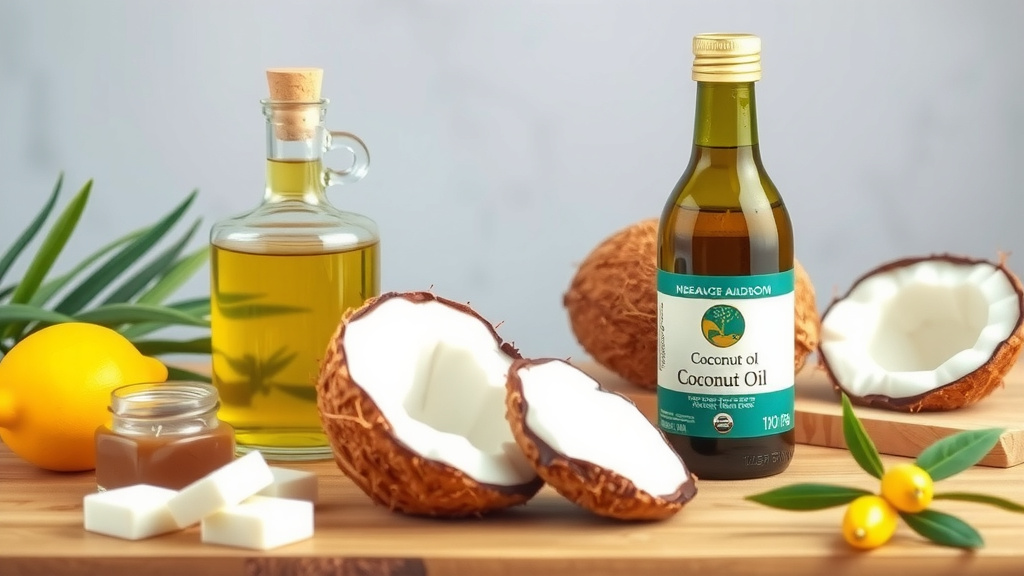
Coconut Oil vs. Olive Oil: A Quick Comparison
Let’s put these two oils side-by-side to help you visualize their differences in baking. It’s like a quick cheat sheet for your next baking session.
| Characteristic | Coconut Oil | Olive Oil |
|---|---|---|
| Texture Contribution | Lighter, finer crumb, chewy in cookies | Moist, denser, sometimes crispier exterior |
| Flavor Profile | Virgin: distinct coconut; Refined: neutral | EVOO: fruity, peppery; Lighter oils: milder |
| State at Room Temp | Solid (below 76°F) | Liquid |
| Best For | Light cakes, chewy cookies, vegan baking | Moist cakes, rustic bakes, chocolate treats |
Substitution Ratios: How Much to Use?
Generally, you can substitute coconut oil and olive oil for butter or other liquid oils in a 1:1 ratio. This means if a recipe calls for 1 cup of butter, you can often use 1 cup of melted coconut oil or 1 cup of olive oil. However, remember that the results will vary due to their different properties.
If you’re using solid coconut oil in a recipe that calls for melted butter, you’ll want to melt the coconut oil first. If you’re using it as a butter substitute in a context where creaming solid fat is important (like some cookie recipes), you might want to look for recipes specifically designed for coconut oil. We found that for most liquid oil substitutions, the switch is quite straightforward.
Tips for Successful Baking with These Oils
No matter which oil you choose, a few tips can help ensure your baking turns out wonderfully. It’s about paying attention to the little details.
- Chill your ingredients: If using coconut oil in a recipe that benefits from cold fat (like pie crusts), keep it chilled until you’re ready to use it.
- Adjust sweetness: Olive oil can sometimes mute sweetness slightly. You might find you need to adjust sugar levels in some recipes.
- Don’t be afraid to experiment: Baking is an art and a science. Try half coconut oil and half olive oil to see what unique texture and flavor you can create!
- Consider your audience: If you have guests with allergies or dietary preferences, choose the oil that best suits their needs.
- Taste your oil: Always use an oil you enjoy the flavor of, especially if you’re using a flavorful variety like EVOO.
- Start simple: If you’re new to baking with these oils, begin with recipes that are specifically designed for them or simple substitutions.
Conclusion
Choosing between coconut oil and olive oil for your baking projects doesn’t have to be complicated. We’ve seen that coconut oil is your best bet for achieving a lighter crumb and a chewier cookie, especially if you’re aiming for a dairy-free option or a subtle tropical flavor. Olive oil, on the other hand, brings moisture, density, and a distinct richness that can elevate rustic bakes and chocolate recipes. Your final choice really comes down to the texture and flavor profile you desire for your baked goods. So, go ahead and experiment with both to discover your personal favorites!
Frequently Asked Questions
Can I use extra virgin olive oil in sweet baked goods?
Yes, you absolutely can! Extra virgin olive oil adds a unique fruity and sometimes peppery note that pairs surprisingly well with strong flavors like chocolate, lemon, or berries. Start with recipes that are designed for it or use a milder olive oil if you’re unsure about the flavor intensity.
Does coconut oil make baked goods taste like coconut?
It depends on the type of coconut oil you use. Virgin coconut oil has a noticeable coconut flavor, which is great for enhancing tropical or warming recipes. Refined coconut oil has had its flavor removed, making it a neutral option that won’t impart any coconut taste.
Which oil is healthier for baking?
Both oils offer health benefits. Olive oil, particularly extra virgin, is rich in monounsaturated fats and antioxidants, often praised for its heart-healthy properties. Coconut oil is higher in saturated fat but contains medium-chain triglycerides (MCTs), which are metabolized differently. Your overall diet and the quantity used are key factors in health impact.
What happens if I substitute olive oil for butter in cookies?
Substituting olive oil for butter in cookies will likely result in a moister, denser cookie with a potentially crispier edge. The texture will be different from a traditional butter cookie. If you use a strongly flavored olive oil, you might also detect a subtle fruity or peppery note.
Can I use coconut oil and olive oil together in one recipe?
Absolutely! Combining them can offer a balance of textures and flavors. For instance, you could use coconut oil for its ability to create a lighter crumb and olive oil for added moisture. It’s a great way to get creative and find a unique profile for your favorite recipes.

![7 Best Extra Virgin Olive Oil Brands In Usa [2026]](https://bestpureessentialoils.com/wp-content/uploads/2026/08/7-best-extra-virgin-olive-oil-brands-in-usa-2026-featured-768x432.jpg)
![7 Best Homemade Mayonnaise With Olive Oil [2026]](https://bestpureessentialoils.com/wp-content/uploads/2026/08/7-best-homemade-mayonnaise-with-olive-oil-2026-featured-768x432.jpg)
![7 Best Mild Tasting Olive Oil [2026]](https://bestpureessentialoils.com/wp-content/uploads/2026/09/7-best-mild-tasting-olive-oil-2026-featured-768x432.jpg)