
Coconut Oil vs Olive Oil: Which is Healthier
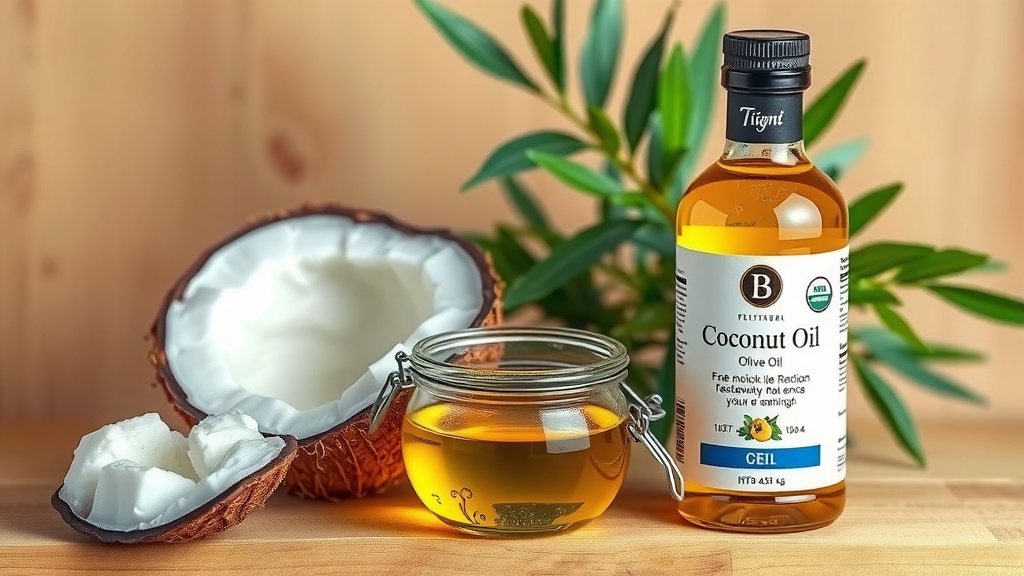
When choosing between coconut oil and olive oil, olive oil is generally the healthier choice for everyday cooking. While both are popular, olive oil offers a better fatty acid profile and more beneficial compounds. Coconut oil, though trendy, is high in saturated fat. We’ll help you pick the best oil for your needs.
You might be wondering about their uses in your kitchen. Olive oil shines in dressings and sautés due to its flavor and health benefits. Coconut oil can add a tropical taste to dishes and is great for baking. But understanding their smoke points and nutritional differences is key. We’ve researched what makes each oil unique.
- Olive oil is generally healthier for cooking than coconut oil.
- Olive oil is rich in monounsaturated fats and antioxidants.
- Coconut oil is high in saturated fat, which should be consumed in moderation.
- Both oils have different smoke points and best uses in the kitchen.
- Consider your recipe and health goals when choosing between them.
Let’s break down the differences between coconut oil and olive oil so you can make informed decisions for your meals. For a balanced approach to everyday cooking, olive oil is generally the best choice.
Comparing Coconut Oil and Olive Oil for Your Kitchen
When you’re standing in the aisle, staring at the oil bottles, you might wonder: which one is really better for you? Let’s look at the key differences between coconut oil and olive oil. We found that while both have their fans, olive oil generally takes the crown for everyday healthy cooking.
Fatty Acid Breakdown: The Big Picture
The main difference comes down to their fat content. Your body processes different types of fats in different ways. Understanding this helps you make smarter choices for your meals.
Saturated Fats in Coconut Oil
Coconut oil is famous for being high in saturated fat. In fact, about 90% of its fat is saturated. While some saturated fat is okay, major health organizations like the American Heart Association suggest limiting your intake. Too much saturated fat can raise your LDL cholesterol, often called the “bad” cholesterol. This can increase your risk of heart disease over time.
Monounsaturated Fats in Olive Oil
Olive oil, especially extra virgin olive oil, is rich in monounsaturated fats. These make up about 75% of its fat content. Research shows that monounsaturated fats can help lower LDL cholesterol and raise HDL cholesterol, the “good” cholesterol. This makes olive oil a heart-healthier choice. The U.S. Dietary Guidelines recommend making most of your fats polyunsaturated or monounsaturated.
Nutritional Powerhouses: Beyond Just Fat
It’s not just about the fat type. These oils also contain other beneficial compounds.
Antioxidants in Olive Oil
Extra virgin olive oil is packed with antioxidants. These include polyphenols and vitamin E. Antioxidants help protect your body’s cells from damage caused by unstable molecules called free radicals. This damage is linked to aging and chronic diseases. The antioxidants in olive oil are a big reason why it’s praised for its health benefits (National Institutes of Health).
Lauric Acid in Coconut Oil
Coconut oil contains a type of saturated fat called lauric acid. About 50% of the saturated fat in coconut oil is lauric acid. Some studies suggest lauric acid might have antimicrobial properties, meaning it could help fight off certain bacteria and viruses. However, more research is needed to fully understand these effects in humans. It’s still a saturated fat, and moderation is key.
Cooking With Confidence: Smoke Points Matter
Ever notice your oil smoking up your kitchen? That’s its smoke point. Heating oil past this point can create harmful compounds and give your food a burnt taste. Different oils have different smoke points, making them better suited for different cooking methods.
Olive Oil’s Smoke Point Range
Regular olive oil has a higher smoke point than extra virgin olive oil. This makes it more versatile for everyday cooking. Extra virgin olive oil has a smoke point around 375°F (190°C). Refined or light olive oil can handle temperatures up to 468°F (242°C). This means you can use regular olive oil for sautéing and even some baking without worry.
Coconut Oil’s Smoke Point
Coconut oil’s smoke point varies depending on whether it’s refined or unrefined. Unrefined virgin coconut oil typically smokes around 350°F (175°C). Refined coconut oil can withstand higher temperatures, often up to 400°F (204°C). So, refined coconut oil is generally better for higher-heat cooking than its virgin counterpart.
Flavor Profiles: Adding Zing to Your Dishes
The taste of your oil can dramatically change your food. Both coconut and olive oil bring distinct flavors to the table.
The Taste of Olive Oil
Olive oil offers a wide range of flavors. Extra virgin olive oil can be fruity, peppery, or even grassy. This makes it a star in salad dressings, marinades, and as a finishing drizzle over cooked dishes. Lighter olive oils have a milder taste, making them suitable if you don’t want a strong olive flavor.
The Tropical Notes of Coconut Oil
Coconut oil has a distinctly tropical and sweet flavor. This is especially true for unrefined virgin coconut oil. It’s perfect for adding a hint of the tropics to curries, stir-fries, and baked goods like cookies or muffins. If you’re aiming for a neutral flavor, refined coconut oil is a better choice as most of the coconut taste is removed.
Best Uses for Each Oil: A Quick Guide
Now, let’s put it all together. Where does each oil shine?
Olive Oil’s Strengths
We found olive oil to be incredibly versatile. It’s a top pick for:
- Salad dressings and vinaigrettes. Its flavor adds depth.
- Drizzling over finished dishes for flavor and healthy fats.
- Sautéing vegetables and meats at medium heat.
- Baking in recipes where a light olive flavor is welcome.
Coconut Oil’s Specialties
Coconut oil is fantastic when you want its unique flavor or properties:
- Baking, especially in vegan or tropical-themed treats.
- Stir-frying at medium-high heat (use refined for less flavor).
- Adding a hint of flavor to smoothies or oatmeal.
- Dairy-free cooking where its texture is beneficial.
Making Your Choice: What’s Best for You?
So, how do you decide? Think about your health goals and what you’re cooking.
For overall heart health and everyday cooking, olive oil is generally the winner. Its monounsaturated fats and antioxidants are hard to beat. It’s a staple for good reason!
Coconut oil can be part of a healthy diet, too. Just remember to use it in moderation due to its high saturated fat content. It’s a great option when you want its specific flavor or texture in a dish.
Here’s a quick checklist to help you remember:
- Prioritize olive oil for heart health.
- Use coconut oil in moderation.
- Match the oil’s smoke point to your cooking method.
- Consider the flavor each oil brings.
- Check if your recipe calls for a specific oil.
- Don’t be afraid to have both in your pantry!
Conclusion
You now have a clearer picture of coconut oil versus olive oil. We found that olive oil is the champion for everyday healthy cooking, thanks to its heart-healthy fats and antioxidants. Coconut oil has its place, especially for flavor, but remember to use it sparingly due to its saturated fat content. Your pantry can definitely benefit from having both on hand!
Next time you’re cooking, consider the health benefits, smoke point, and flavor profile you need for your dish. By making informed choices, you can easily enhance your meals and support your well-being. Happy cooking!
Frequently Asked Questions
Can I use olive oil for high-heat frying?
For high-heat frying, refined or light olive oil is a better choice than extra virgin. Refined olive oil has a smoke point around 468°F (242°C), making it suitable for many high-heat cooking methods. Extra virgin olive oil, while healthier, has a lower smoke point and is best for lower-heat sautéing or finishing dishes.
Is coconut oil bad for you?
Coconut oil isn’t inherently “bad,” but it’s high in saturated fat, which should be consumed in moderation. Major health organizations suggest limiting saturated fat intake to support heart health. Coconut oil can be part of a balanced diet when used occasionally for its flavor or specific cooking properties.
Which oil is better for weight loss: coconut or olive oil?
Research on oils and weight loss is ongoing, and neither oil is a magic bullet. Olive oil’s monounsaturated fats may support satiety, potentially helping you feel fuller longer. However, all fats are calorie-dense, so portion control is key for weight management, regardless of the oil you choose.
Can I substitute coconut oil for olive oil in baking?
Yes, you can often substitute them in baking, but be mindful of the flavor and texture changes. Coconut oil, especially unrefined, will impart a tropical flavor and can make baked goods denser. Olive oil might lend a lighter, sometimes fruity note. You might need to adjust the amount of liquid or leavening agents depending on the recipe.
What’s the healthiest oil to cook with every day?
For daily cooking, research suggests that olive oil, particularly extra virgin olive oil, is a top choice. Its rich profile of monounsaturated fats and antioxidants makes it excellent for sautéing, dressings, and general use. It supports heart health when consumed as part of a balanced diet.


![7 Best Costco Olive Oil For Cooking [2026]](https://bestpureessentialoils.com/wp-content/uploads/2026/06/7-best-costco-olive-oil-for-cooking-2026-featured-768x432.jpg)