How Hot Can You Cook With Olive Oil?
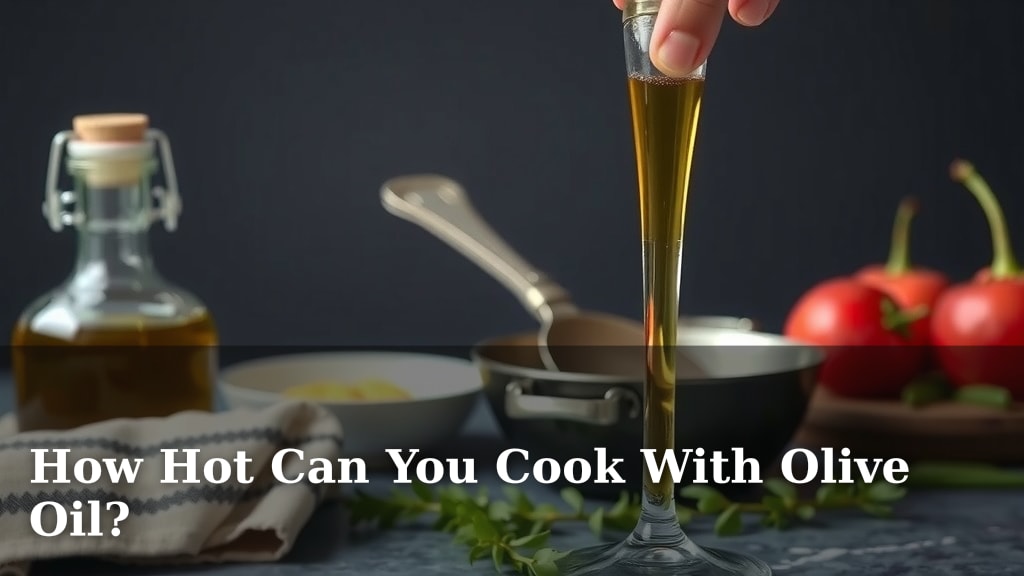
Yes, you can definitely cook with olive oil, even at higher temperatures! The smoke point of olive oil varies, but most common types like extra virgin olive oil can handle everyday cooking without problems. You don’t need to shy away from sautéing or pan-frying with it.
Knowing the specific type of olive oil you have is key. Refined olive oils generally have higher smoke points than their unrefined counterparts. This means they can get hotter before they start to smoke and break down. Understanding this difference helps you choose the right oil for your cooking method.
- Most olive oils are safe for cooking.
- Extra virgin olive oil has a lower smoke point than refined versions.
- Higher temperatures are possible with the right olive oil.
- Smoke point is the temperature where oil starts to burn.
Let’s break down exactly how hot you can cook with different types of olive oil and what happens when you go too far.
“`htmlHow Hot Can You Really Cook With Olive Oil?
You’re probably wondering just how high that stovetop can go before your olive oil starts to protest. It’s a great question, and the answer depends on the type of olive oil you’re using. We found that not all olive oils are created equal when it comes to heat.
Understanding the Smoke Point of Olive Oil
Every oil has a smoke point. This is the temperature at which the oil starts to burn and produce visible smoke. When oil smokes, it’s breaking down. This breakdown can create unpleasant flavors and harmful compounds. You want to avoid reaching this point in your cooking.
What Happens When Oil Smokes?
When olive oil smokes, it’s a sign that it’s past its prime for cooking. The fatty acids in the oil start to degrade. This process releases acrolein, a chemical compound that gives burnt food its bitter taste and irritating smoke. It can also form free radicals, which are not good for your health, according to research from the National Institutes of Health (NIH).
Different Types of Olive Oil and Their Heat Tolerance
The world of olive oil isn’t just one big happy family when it comes to heat. We found that there are distinct differences.
Extra Virgin Olive Oil (EVOO): The “Purest” Option
Extra virgin olive oil is the least processed. It’s made from the first pressing of olives. Because of this, it retains more of its natural flavor and nutrients. However, this purity comes with a slightly lower smoke point. For EVOO, you’re typically looking at a smoke point between 375°F and 405°F.
This makes EVOO perfectly suitable for many cooking methods. You can use it for sautéing vegetables, pan-frying fish, and even roasting meats. Many culinary experts suggest it’s ideal for medium-heat cooking. Just be mindful of your pan’s temperature.
Virgin Olive Oil: A Step Up
Virgin olive oil is also unrefined but comes from a second pressing. Its smoke point is a little higher than EVOO, usually around 390°F to 410°F. It’s still a great choice for most everyday cooking tasks.
Pure Olive Oil or “Olive Oil”: Refined and Ready
This is where we see a noticeable difference. “Pure” olive oil, often labeled simply as “olive oil,” is a blend. It typically combines refined olive oil with some virgin olive oil for flavor. The refining process removes impurities, which raises the smoke point significantly. These oils can usually handle temperatures between 400°F and 450°F.
This makes them excellent for higher-heat cooking. Think searing steaks or stir-frying. You have more leeway with these oils before they start to smoke. We found that many home cooks find these versatile for a wide range of dishes.
Light or Extra Light Olive Oil: The Heat Champion
Don’t let the name fool you; “light” and “extra light” refer to the flavor and color, not calories. These oils are highly refined. They have the highest smoke points among olive oils, often reaching 450°F to 470°F. They have a very neutral flavor profile.
Because of their high heat tolerance and neutral taste, they are excellent for deep-frying, baking at high temperatures, or any cooking method that requires intense heat. You can trust these oils to perform well under pressure.
A Handy Olive Oil Smoke Point Chart
To help you keep track, we’ve put together a quick reference guide. This table shows the typical smoke points for common olive oil types. Remember, these are approximate ranges, and the exact point can vary by brand and specific processing.
| Type of Olive Oil | Approximate Smoke Point (°F) | Best For |
|---|---|---|
| Extra Virgin Olive Oil | 375°F – 405°F | Sautéing, dressings, low-heat roasting |
| Virgin Olive Oil | 390°F – 410°F | Sautéing, pan-frying, medium-heat roasting |
| Pure Olive Oil / Olive Oil | 400°F – 450°F | Searing, pan-frying, roasting, baking |
| Light / Extra Light Olive Oil | 450°F – 470°F | Deep-frying, high-heat baking, searing |
Cooking Safely with Olive Oil: Key Takeaways
It’s easy to get confused, but we found that a few simple rules make cooking with olive oil straightforward and safe. Knowing your oil is the first step.
- Match the oil to your cooking method. Don’t use EVOO for deep-frying.
- Watch for smoke. If you see smoke, turn down the heat immediately.
- Heat gradually. Avoid blasting the heat from the start.
- Consider the food. Foods with high moisture content can lower pan temperature.
- Freshness matters. Older oil may have a lower smoke point.
Following these tips will help you get the most out of your olive oil and enjoy delicious meals without the worry of burnt oil. You’ve got this!
“`
Conclusion
You’ve learned that cooking with olive oil is very doable, even at higher temperatures. The key is understanding your oil’s smoke point. Extra virgin olive oil is fantastic for everyday sautéing, while refined olive oils like “pure” or “light” versions can handle more intense heat for searing and frying. Always watch for smoke, as it means your oil is breaking down and affecting your food’s flavor and quality. By matching the right olive oil to your cooking method, you can confidently create delicious meals without worry. Now, go ahead and put your newfound knowledge to use in the kitchen!
Frequently Asked Questions
Can I deep fry with extra virgin olive oil?
It’s generally not recommended to deep fry with extra virgin olive oil. Its smoke point is lower than other types, meaning it will start to break down and smoke at deep-frying temperatures. This can result in a burnt taste and potentially harmful compounds.
What should I do if my olive oil starts smoking?
If you notice your olive oil smoking, it’s a clear sign to act fast. Immediately reduce the heat on your stovetop. Remove the pan from the heat source if necessary, and let the oil cool down. You may need to discard the oil and start fresh to avoid burnt flavors and unhealthy byproducts.
Does the freshness of olive oil affect its smoke point?
Yes, the freshness of olive oil can affect its smoke point. Older olive oil, especially if it hasn’t been stored properly, can degrade over time. This degradation can lower its smoke point, making it more likely to smoke even at lower cooking temperatures.
Is it safe to eat food cooked in olive oil that has smoked?
While a little bit of smoke might not be immediately dangerous, it’s best to avoid cooking with oil that has significantly smoked. When oil breaks down, it can produce bitter flavors and potentially harmful compounds. It’s safer and yields better-tasting food to use fresh oil or lower the temperature before it smokes.
Which type of olive oil is best for high-heat baking?
For high-heat baking, you’ll want to use a highly refined olive oil, such as “light” or “extra light” olive oil. These varieties have the highest smoke points, often around 450°F to 470°F, making them stable and reliable for intense oven temperatures without breaking down.

![7 Best Greek Olive Oil Brand [2026]](https://bestpureessentialoils.com/wp-content/uploads/2026/08/7-best-greek-olive-oil-brand-2026-featured-768x432.jpg)