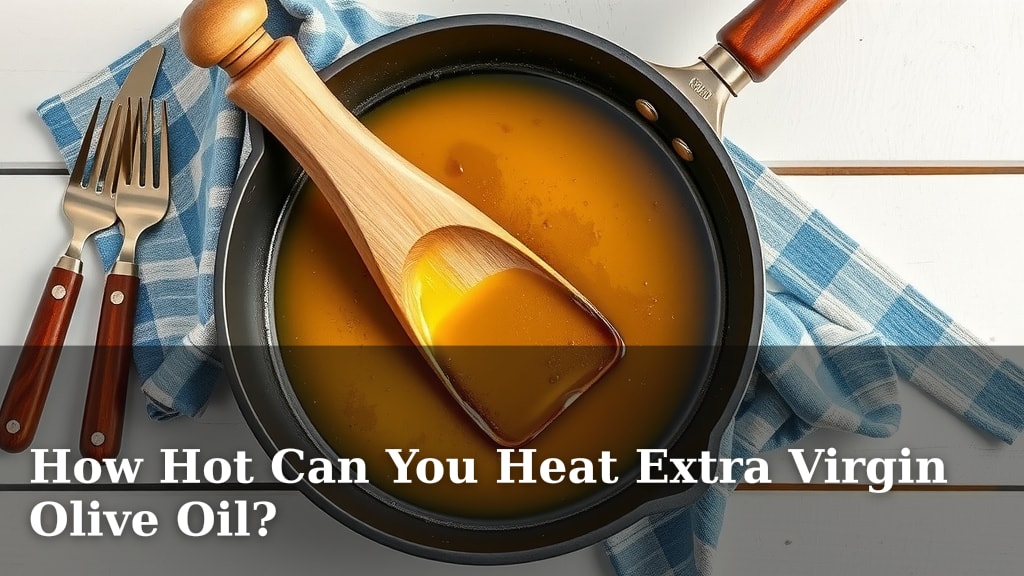
How Hot Can You Heat Extra Virgin Olive Oil?
Yes, you can absolutely heat extra virgin olive oil, but there’s a sweet spot for temperature. Extra virgin olive oil has a smoke point, which is the temperature where it starts to degrade and smoke. For most EVOO, this is typically between 375°F and 410°F (190°C and 210°C). Heating it gently within this range is perfectly fine for everyday cooking.
When olive oil gets too hot, it can lose some of its beneficial compounds and flavor. It can also develop a bitter taste and produce harmful free radicals. Understanding your EVOO’s smoke point helps you keep its delicious flavor and health benefits intact, even when you’re sautéing or roasting.
- Extra virgin olive oil has a smoke point around 375°F-410°F.
- Heating EVOO below its smoke point is safe for cooking.
- Heating past the smoke point degrades flavor and nutrients.
- Different types of EVOO might have slightly different smoke points.
Let’s walk through exactly how hot you can safely go with your extra virgin olive oil without compromising its quality.
How Hot Can You Safely Heat Extra Virgin Olive Oil?
You might be wondering just how high you can turn up the heat on your extra virgin olive oil (EVOO) without turning your delicious cooking oil into a smoky, bitter mess. The good news is, EVOO can handle quite a bit of heat, but it has its limits. Understanding those limits is key to keeping its wonderful flavor and health benefits intact.
Understanding the Smoke Point of EVOO
The most important factor to consider is the smoke point. This is the temperature at which your oil starts to break down. When oil breaks down, it begins to smoke and can release harmful compounds. For most high-quality extra virgin olive oils, this magical (or not-so-magical) point falls between 375°F and 410°F (190°C and 210°C).
What Happens When Oil Reaches Its Smoke Point?
When olive oil hits its smoke point, it’s essentially telling you it’s had enough. The fatty acids in the oil start to degrade. This process releases acrolein, the compound that causes that acrid smell and taste we all know. It can also produce free radicals, which aren’t great for your health.
Think of it like this: you wouldn’t push your car engine to redline constantly, right? Your EVOO has a similar limit. Going past it too often can mean your oil loses some of its nutritional punch and that lovely fruity flavor.
Factors Influencing EVOO’s Smoke Point
It’s not a one-size-fits-all situation. Several things can affect the exact smoke point of your EVOO:
- Quality and Processing: Oils that are less refined tend to have a lower smoke point. Extra virgin is already the least refined, which is good, but even within that category, there can be slight differences.
- Acidity Level: The free fatty acid content can play a role. Lower acidity generally means a higher smoke point. Reputable producers often have strict standards for acidity.
- Filtration: Some EVOO is filtered more thoroughly than others. Unfiltered oils may have tiny bits of olive fruit in them, which can cause them to smoke at a lower temperature.
- Age of the Oil: Older oils can degrade over time, and their smoke point may decrease. Fresh is usually best!
When Can You Use Extra Virgin Olive Oil for Cooking?
So, can you actually cook with your favorite EVOO? Absolutely! It’s designed for a wide range of cooking methods.
Gentle Heating: Sautéing and Pan-Frying
For everyday tasks like sautéing vegetables or pan-frying chicken, your EVOO is a perfect choice. Most sautéing happens in the range of 300°F to 350°F (150°C to 175°C). This is well below the smoke point of most quality EVOO, so you’re safe to get those ingredients nice and browned without worry.
You’ll know you’re in the right zone when you hear that gentle sizzle. If you start seeing wisps of smoke, it’s time to turn down the heat just a touch. This is where the flavor really shines, giving your dishes that classic Mediterranean taste.
Moderate Heating: Roasting and Baking
Roasting vegetables or baking goods often involves temperatures between 350°F and 400°F (175°C and 205°C). Many experts say that using EVOO for these temperatures is perfectly fine, as long as you’re not consistently hitting the upper end or exceeding it. The key is still staying below that smoke point threshold.
When roasting, the heat is more indirect and spread out in the oven. This helps the oil heat more evenly. If your recipe calls for a higher oven temperature, like 425°F (220°C) or more, you might want to consider a different oil for that specific task. We’ll talk about that next.
When to Consider Other Oils
While EVOO is versatile, it’s not always the best choice for every single cooking application.
High-Heat Cooking Methods
For cooking methods that require very high temperatures, like deep-frying or searing steaks at extremely high heat, you might need an oil with a higher smoke point. Think temperatures pushing 450°F (230°C) and beyond.
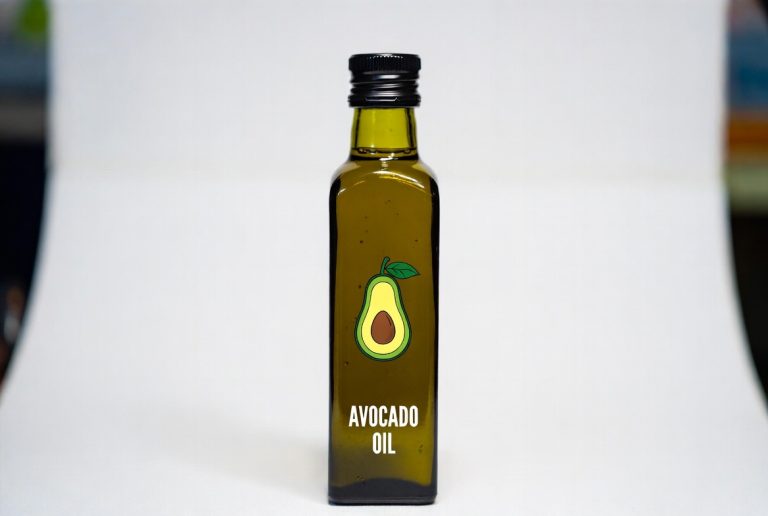
In these cases, oils like canola oil, grapeseed oil, or refined avocado oil can be better choices. They are more stable at intense heat, meaning they won’t break down as quickly. This doesn’t mean EVOO is bad; it just means these other oils are better suited for extreme conditions.
Deep-Frying
Deep-frying involves submerging food in very hot oil, often around 350°F to 375°F (175°C to 190°C). While this is *just* at the lower end of the EVOO smoke point range, many chefs and nutritionists recommend using a more stable oil for deep-frying to avoid any potential breakdown and flavor alteration. It’s a common guideline from culinary institutions.
Tips for Using EVOO Without Smoking
Here’s how you can ensure you’re getting the best out of your extra virgin olive oil when you heat it:
- Know Your Oil: Check the bottle if possible for any specific recommendations from the producer.
- Don’t Overheat: Always aim to stay below 375°F (190°C) to be safe.
- Watch for Smoke: If you see smoke, your oil is too hot. Turn down the heat!
- Use Fresh Oil: Older oil may have a lower smoke point.
- Consider the Dish: For very high-heat searing or frying, a different oil might be wiser.
A Quick Look at Smoke Points
Here’s a general idea of smoke points for common cooking oils. Keep in mind these can vary slightly:
| Oil Type | Approximate Smoke Point (°F) | Approximate Smoke Point (°C) |
|---|---|---|
| Extra Virgin Olive Oil | 375 – 410°F | 190 – 210°C |
| Virgin Olive Oil | 390 – 400°F | 200 – 205°C |
| Pure/Light Olive Oil | 400 – 470°F | 205 – 240°C |
| Avocado Oil (Refined) | 500 – 520°F | 260 – 270°C |
| Canola Oil | 400 – 450°F | 205 – 230°C |
| Grapeseed Oil | 420 – 425°F | 215 – 220°C |
As you can see, EVOO sits comfortably in the middle. It’s perfect for most everyday cooking needs, but for extreme heat, other oils take the lead.
Conclusion
You’ve learned that extra virgin olive oil is a versatile cooking companion, perfect for many everyday tasks. Its sweet spot for heating is typically between 375°F and 410°F, ensuring you enjoy its fantastic flavor and health benefits. By respecting its smoke point and watching for any signs of distress, like smoke, you can confidently sauté, pan-fry, and even roast with confidence. For extreme heat applications, remember that other oils might be a better fit. Keep this in mind, and you’ll continue to create delicious meals with your favorite EVOO.
Frequently Asked Questions
Can I reuse extra virgin olive oil after heating it?
It’s generally not recommended to reuse heated extra virgin olive oil, especially if it has approached or reached its smoke point. Reheating oil can further degrade its quality, affecting both flavor and nutritional content, and may introduce harmful compounds.
Does the color of extra virgin olive oil indicate its smoke point?
No, the color of extra virgin olive oil, which ranges from green to gold, is more related to the type of olives used and their ripeness. Color doesn’t reliably predict the smoke point; you’ll need to look at the oil’s quality and processing for that information.
What’s the difference between extra virgin olive oil and regular olive oil regarding heat?
Extra virgin olive oil is the least refined olive oil and retains more natural compounds, giving it a lower smoke point (375-410°F). Regular or “light” olive oil has undergone more refining, removing impurities and thus increasing its smoke point (often 400-470°F), making it more suitable for higher heat.
Is it okay if my EVOO smokes a little when I’m cooking?
A little bit of smoke means your oil is too hot and starting to break down. It’s best to turn down the heat immediately if you see smoke. Consistently cooking with oil past its smoke point can negatively impact the food’s taste and the oil’s health properties.
Can I use extra virgin olive oil for high-heat searing?
For most high-heat searing methods that require temperatures consistently above 400°F, it’s generally advisable to use an oil with a higher smoke point. While EVOO can handle moderate heat well, using a more stable oil like refined avocado or grapeseed oil for extreme searing will better preserve its quality and avoid smoke.

![7 Best Olive Oil Bottle Spout [2026]](https://bestpureessentialoils.com/wp-content/uploads/2026/09/7-best-olive-oil-bottle-spout-2026-featured-768x432.jpg)