Avocado Oil vs Olive Oil for Frying: Stop Using the Wrong One!
Have you ever stood in front of your pantry, staring at multiple bottles of oil, wondering which one to grab for tonight’s dinner? You’re not alone. The confusion between avocado oil and olive oil has left countless home cooks scratching their heads, especially when it comes to frying. I’m about to clear up this confusion once and for all, because using the wrong oil can literally change the way your food tastes and even affect your health.
Outline of This Guide
- Understanding smoke points and why they matter
- What is avocado oil and its properties
- What is olive oil and its varieties
- Comparing heat stability and frying capabilities
- Nutritional differences worth knowing
- Cost comparison and value for money
- Best uses for each oil in your kitchen
- Health considerations and heart health
- Flavor profiles and how they affect dishes
- Storage tips to maximize shelf life
- Environmental impact of production
- Expert recommendations for different cooking methods
- Common mistakes people make
- Conclusion and final recommendations
- Frequently asked questions
Understanding Smoke Points: The Foundation of Cooking Oils
Before we dive into the battle between avocado oil and olive oil, we need to talk about something called the smoke point. Think of your smoke point as the temperature at which an oil starts to break down and release smoke. It’s like pushing a car engine too hard—eventually, something’s going to give.
What Exactly Is a Smoke Point?
The smoke point is that magical temperature where an oil transitions from being useful to being problematic. When an oil reaches this temperature, its molecular structure begins to degrade. This degradation creates compounds called free radicals, which aren’t doing your body any favors. Additionally, the oil loses its nutritional benefits and can impart an unpleasant, burnt taste to your food.
Here’s what happens chemically: oils are composed of triglycerides, which are made up of a glycerol backbone and fatty acids. When heat exceeds the smoke point, these triglycerides break apart. The glycerol component breaks down into acrolein, which is what gives burnt oil that characteristic acrid smell.
Why Should You Care About This Temperature?
You should care because using an oil beyond its smoke point doesn’t just affect flavor—it affects safety. Overheated oils can produce harmful compounds that are associated with various health issues when consumed regularly. Your choice of oil directly impacts the quality of your meal and potentially your long-term health.
Introduction to Avocado Oil: The Modern Kitchen Favorite
Avocado oil is relatively new to the mainstream cooking scene in Western kitchens, though it’s been used for centuries in Mexico and other parts of Latin America. It’s extracted from the flesh of avocados, not the pit, which is an important distinction.
What Makes Avocado Oil Stand Out?
Avocado oil is known for its exceptionally high smoke point. We’re talking about 480 to 500 degrees Fahrenheit, depending on whether it’s refined or unrefined. This makes it one of the highest smoke points among cooking oils available today. The only oils that come close are refined safflower oil and refined soybean oil.
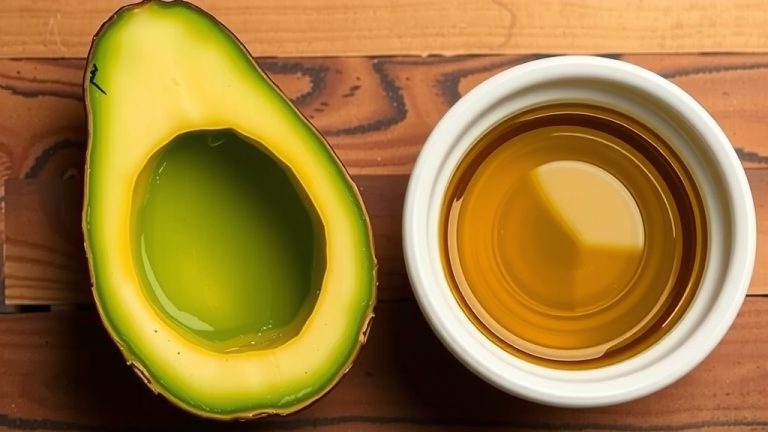
The color of avocado oil ranges from pale gold to rich green, depending on how it’s processed. Refined avocado oil tends to be lighter in color and has virtually no avocado flavor. Unrefined avocado oil, sometimes called virgin avocado oil, retains more of the avocado’s natural color and has a subtle, buttery taste.
The Composition of Avocado Oil
What’s fascinating about avocado oil is its fatty acid composition. It’s primarily composed of oleic acid, which is a monounsaturated fat. In fact, avocado oil has a similar fatty acid profile to olive oil, which we’ll discuss in detail later. This similarity is one of the reasons why avocado oil has gained such popularity among health-conscious cooks.
Understanding Olive Oil: A Traditional Staple
Olive oil has been part of Mediterranean cuisine for thousands of years. It’s extracted from the fruit of olive trees and has earned a prominent place in both cooking and nutrition science.
The Different Types of Olive Oil
Here’s where many people get confused, and it’s completely understandable. Not all olive oils are created equal. The main types you’ll encounter are:
- Extra virgin olive oil: This is the least processed form, cold-pressed without chemicals, and has a smoke point of around 190 degrees Fahrenheit
- Virgin olive oil: Similar to extra virgin but with slightly lower quality standards, with a smoke point around 210 degrees Fahrenheit
- Refined olive oil: This has been processed using heat and chemicals, resulting in a higher smoke point of around 465 degrees Fahrenheit
- Light or pure olive oil: Despite the name, this is heavily refined and has a smoke point of approximately 465 degrees Fahrenheit
The confusion arises because many people don’t realize that the olive oil in their pantry might be refined, not the artisanal extra virgin oil they think they’re using.
The Flavor and Aroma Profile
Extra virgin olive oil has a robust, sometimes peppery flavor with grassy or fruity notes. This complexity makes it wonderful for dressings and drizzling over finished dishes. Refined olive oil, on the other hand, has a much more neutral taste and appearance, almost to the point where it resembles avocado oil.
Head-to-Head Comparison: Which Oil Wins for Frying?
Now we get to the heart of the matter. When you’re standing at the stove with a hot pan ready for frying, which oil should you reach for?
Smoke Points: A Clear Winner?
If we’re purely talking about smoke points, avocado oil takes the victory. Refined avocado oil maintains its integrity up to 500 degrees Fahrenheit, while refined olive oil maxes out around 465 degrees. This 35-degree difference might not sound like much, but when you’re frying, it can mean the difference between perfectly cooked food and burnt edges.
Now, if you’re using extra virgin olive oil for frying, you’ve already lost the battle. Its smoke point of 190 degrees is far too low for any serious frying work. It’s like trying to race a bicycle against a car—it’s just not going to work.
Heat Stability and Oil Breakdown
Beyond just the smoke point, we need to consider how well each oil maintains its structure during heating. Avocado oil’s high oleic acid content makes it remarkably stable at high temperatures. The monounsaturated fat in avocado oil resists oxidation better than other fat types, meaning it won’t break down as quickly when exposed to heat.
Refined olive oil also performs well at high temperatures, but avocado oil has a slight edge in terms of oxidative stability during repeated heating, which matters if you’re reusing your frying oil.
Flavor Impact on Your Food
Here’s something that doesn’t get discussed enough: the flavor your oil imparts on the food. Refined avocado oil is nearly flavor-neutral, which makes it perfect for frying when you want the natural taste of your ingredients to shine through. If you’re making french fries, tempura, or donuts, you don’t want the oil to compete with the intended flavors.
Refined olive oil is also relatively neutral, so both oils perform similarly in this regard. However, if someone mistakenly grabs extra virgin olive oil, they’re going to end up with food that tastes like burnt olives. Not appetizing.
Nutritional Breakdown: Which Oil Is Healthier?
Health is often a driving factor in choosing cooking oils, so let’s examine the nutritional profiles of both oils.
Fatty Acid Composition
Both avocado oil and olive oil are rich in monounsaturated fats, often called the “healthy fats.” Specifically, they both contain high amounts of oleic acid. Avocado oil contains about 70 percent oleic acid, while olive oil contains about 73 percent. When you look at the numbers, they’re remarkably similar.
Both oils are relatively low in saturated fats and polyunsaturated fats compared to other cooking oils. This is why both are considered heart-healthy options.
Polyphenols and Antioxidants
This is where the conversation gets interesting. Extra virgin olive oil is loaded with polyphenols, which are powerful antioxidants with anti-inflammatory properties. Research has shown that these compounds offer significant health benefits. However, when olive oil is refined, most of these beneficial compounds are stripped away during processing.
Avocado oil also contains polyphenols, though typically in lower concentrations than extra virgin olive oil. However, unrefined avocado oil retains more of these compounds than refined avocado oil.
Vitamin E Content
Both oils contain vitamin E, an important fat-soluble antioxidant. Avocado oil tends to have slightly higher vitamin E content per serving compared to most olive oils, which provides additional antioxidant protection.
Cost Comparison: What Will You Actually Pay?
Let’s talk about your wallet, because let’s face it, cost matters when you’re deciding between oils.
Price Per Bottle
Avocado oil typically costs more than olive oil at retail. You might pay anywhere from eight to fifteen dollars per bottle for quality avocado oil, while a decent bottle of olive oil might run you five to ten dollars. However, prices vary significantly based on brand, origin, and whether the oil is refined or unrefined.
Price Per Cooking Application
Here’s what many people don’t realize: the cost difference per serving is often negligible. Most people use only a small amount of oil per meal. The difference between using one tablespoon of avocado oil versus one tablespoon of olive oil might only be a few cents per cooking session.
Value for Money
If you’re planning to fry regularly and you’re currently burning olive oil, switching to avocado oil represents excellent value. You’ll get better results and potentially reuse the oil more times before it degrades, offsetting the higher initial cost.
Best Uses for Avocado Oil
Now that we’ve compared these oils directly, let’s talk about where each truly excels.
Deep Frying
Avocado oil is arguably the best choice for deep frying. Whether you’re making tempura, potato chips, donuts, or fried chicken, avocado oil’s high smoke point and neutral flavor make it ideal. The food will fry evenly without the oil breaking down, and the natural flavors of your ingredients will remain the star of the show.
Stir-Frying
Stir-frying requires quick cooking over high heat. Avocado oil handles this beautifully, maintaining its integrity while allowing the wok to reach proper cooking temperatures. The neutral flavor won’t compete with the soy sauce, garlic, and ginger in your dish.
Sautéing at High Heat
When you need to sear a steak, cook fish at high temperatures, or sauté vegetables until they’re slightly charred, avocado oil is your friend. It won’t smoke, sputter, or release off-flavors.
Baking and Roasting
Avocado oil works wonderfully in baking applications where you need a neutral-flavored oil. It can also be used for roasting vegetables at high temperatures, ensuring crispy exteriors without burnt oil flavors.
Best Uses for Olive Oil
Salad Dressings and Cold Applications
This is where extra virgin olive oil truly shines. Its complex flavor profile is meant to be appreciated without heat. A simple vinaigrette using premium extra virgin olive oil elevates a simple salad into something memorable.
Finishing and Drizzling
Adding a splash of extra virgin olive oil at the end of cooking, just before serving, enhances dishes without subjecting the oil to heat that would destroy its beneficial compounds and nuanced flavors.
Moderate-Heat Cooking
If you’re using refined olive oil and you’re cooking at temperatures below 400 degrees Fahrenheit, you’re in the safe zone. Sautéing vegetables, cooking eggs, or making sauces are all appropriate uses for refined olive oil.
Health Considerations: Which Oil Is Better for Your Heart?
The Mediterranean diet has long been associated with excellent health outcomes, and olive oil is a cornerstone of that diet. But does that make it superior to avocado oil?
Cardiovascular Health
Both oils support heart health through their high content of monounsaturated fats. Studies have shown that oleic acid, present in both oils, helps reduce inflammation and supports healthy cholesterol levels. The difference is subtle but worth noting: extra virgin olive oil contains additional polyphenols with documented cardiovascular benefits.
However, if you’re cooking with extra virgin olive oil—which you shouldn’t do at high temperatures—you’re potentially destroying the very compounds that make it heart-healthy.
Oxidation and Free Radicals
Using an oil past its smoke point creates free radicals, which can damage cells and contribute to inflammation. In this sense, using avocado oil for high-heat cooking is actually healthier than burning olive oil, even if the olive oil started with more antioxidants.
The Bottom Line on Health
For cooking: use avocado oil or refined olive oil for high-heat applications to avoid creating harmful compounds. For raw applications: use extra virgin olive oil to get those beneficial polyphenols. This dual-oil approach gives you the best of both worlds.
Flavor Profiles: How They Change Your Dishes
Neutral vs. Characterized
Refined avocado oil is almost completely neutral in flavor. It’s like a blank canvas for your culinary creations. This neutrality is actually a strength when frying because your food’s flavors come through unencumbered.
Extra virgin olive oil, conversely, is a flavored ingredient. You can taste notes of grass, nuts, pepper, and fruit. When you use it in a dish, you’re adding an element that’s meant to be noticed and appreciated.
Complementary Pairings
The neutral flavor of avocado oil makes it compatible with virtually any cuisine and flavor profile. Asian dishes, Mexican food, Italian cuisine—avocado oil plays nice with all of them.
Extra virgin olive oil has strong flavor associations with Mediterranean cuisine. It’s at home in Greek salads and Italian pasta dishes but might overpower more delicate flavor profiles.