
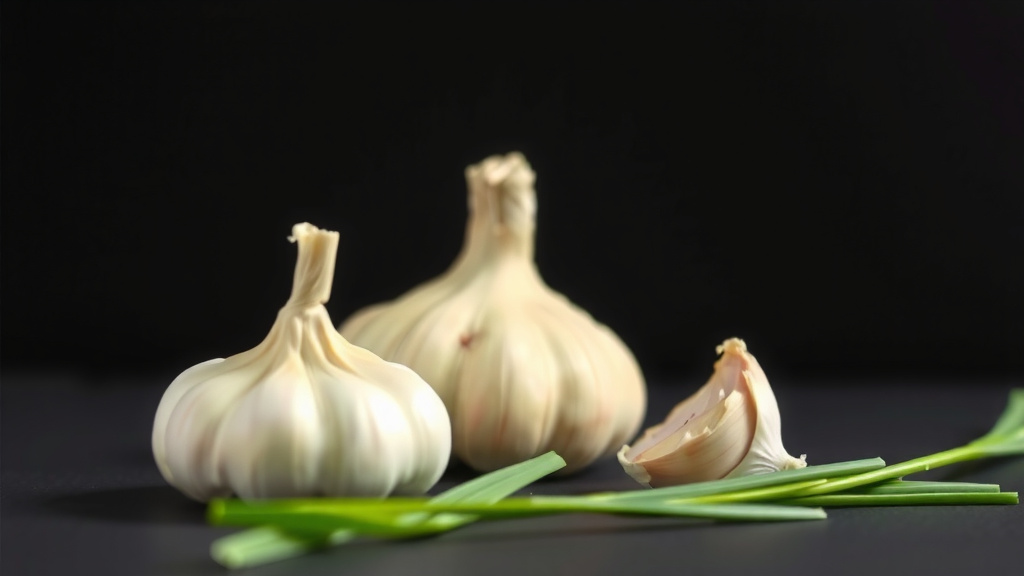
Garlic in Olive Oil Shelf Life: How Long Does It Last
Garlic in olive oil can last from a few days to up to 4 days when stored at room temperature. For longer storage, refrigerating garlic-infused oil can extend its shelf life to about a week or two. However, it’s crucial to understand the risks associated with botulism, which is why proper handling and storage are key.
When you make your own garlic-infused olive oil, you’re creating a delicious flavor boost for your cooking. But this homemade concoction requires careful attention because garlic submerged in oil creates an environment where botulism bacteria can grow. This is why prompt refrigeration and consuming it quickly are so important for safety.
- Garlic in olive oil lasts up to 4 days at room temperature.
- Refrigerating extends shelf life to 1-2 weeks.
- Botulism is a risk with homemade garlic oil.
- Always store garlic-infused oil properly.
Let’s walk through exactly what you need to know to safely enjoy your garlic-infused olive oil.
How Long Does Garlic Infused Olive Oil Actually Last?
You’ve just made a batch of delicious garlic-infused olive oil, and you’re wondering how long you can keep it on the counter or in the fridge. It’s a fair question, and the answer really depends on a few key factors. We found that the most important thing to consider is **food safety**, especially concerning the risk of botulism. So, let’s break down the shelf life and how to keep your infused oil safe and tasty.
Understanding the Shelf Life of Garlic in Olive Oil
Garlic itself is pretty hardy, but when you submerge it in oil, you change the environment dramatically. This is where things get a little tricky. We found that while the flavor is fantastic, the shelf life is shorter than you might expect. This is mainly due to the potential for harmful bacteria to grow.
Room Temperature Storage: A Very Short Window
If you choose to store your garlic-infused olive oil at room temperature, you need to be **extremely cautious**. Experts generally recommend using it within a very short timeframe. We found that keeping it on the counter for more than a couple of days increases the risk. Think of it like fresh herbs in oil – lovely, but not meant for a long countertop vacation.
The ideal maximum time at room temperature is usually cited as no more than **4 days**. After that, the moisture content in the garlic cloves can start to become a breeding ground for bacteria. It’s best to err on the side of caution here. Your taste buds will thank you for it, and more importantly, your health will too.
Refrigeration: Extending the Goodness Safely
For longer storage, refrigeration is your best friend. Popping that jar into the fridge significantly slows down bacterial growth. We found that properly stored garlic-infused oil in the refrigerator can last quite a bit longer. This is the **recommended method** for most homemade infusions.
When refrigerated, your garlic-infused olive oil can typically last for **about one to two weeks**. This is a much more comfortable window for using up your delicious creation. Ensure your container is airtight to prevent it from picking up any unwanted odors from other foods in your fridge. Remember, even in the fridge, it won’t last forever, so mark your calendar if needed!
The Silent Threat: Botulism in Garlic Oil
This is the most critical part of why shelf life is so important. You might have heard whispers about botulism and garlic oil. It’s not just an old wives’ tale; it’s a **serious health concern**. Botulism is caused by a toxin produced by the bacterium *Clostridium botulinum*.
This bacterium thrives in low-oxygen, low-acid environments. Unfortunately, garlic submerged in oil creates exactly that kind of environment. If the garlic is not handled properly before infusing, or if the oil is stored incorrectly, these bacteria can multiply and produce a dangerous toxin. We found that even a tiny amount of this toxin can cause severe illness.
Why Garlic and Oil Together Are a Concern
Garlic naturally contains spores of *Clostridium botulinum*. When garlic is fresh, these spores are typically dormant. However, when garlic is chopped, crushed, or bruised, and then stored in oil, the anaerobic (oxygen-free) conditions are perfect for these spores to germinate and grow. The oil acts as a barrier, preventing oxygen from reaching the bacteria, which allows them to flourish.
This is why commercial producers have strict guidelines and often use a combination of acidity, heat, or other preservatives. For home cooks, the simplest and safest approach is to **limit the time** the garlic spends in the oil, especially at room temperature.
Recognizing the Signs (If It’s Already Too Late)
The scary thing about botulism is that you often can’t see, smell, or taste the toxin. This means you can’t rely on your senses to tell if the oil is unsafe. This is why the storage guidelines are so strict. If you notice any unusual cloudiness, off smells, or fizziness in your garlic-infused oil, **discard it immediately** without tasting.
Symptoms of botulism poisoning can include difficulty swallowing or speaking, facial weakness, blurred vision, and trouble breathing. These symptoms can appear within hours or days of eating contaminated food. This is why we stress the importance of prompt refrigeration and quick consumption. It’s always better to be safe than sorry.
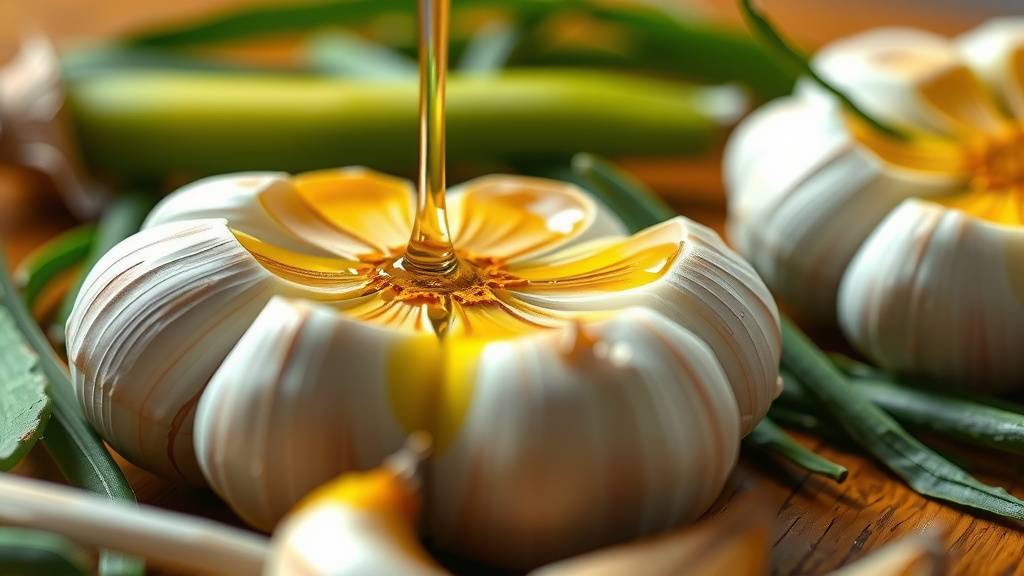
Best Practices for Safe Garlic-Infused Olive Oil
Now that you know the risks, let’s talk about how to enjoy your homemade garlic oil without worry. Following these steps will help you maximize flavor while minimizing risk.
Start with Fresh, High-Quality Ingredients
Always begin with the freshest garlic you can find. Avoid any garlic that shows signs of spoilage, mold, or sprouting. We found that using good quality olive oil is also important; a robust extra virgin olive oil can add a wonderful depth of flavor.
Consider the Type of Garlic Preparation
When you prepare the garlic, ensure it’s completely dry after washing. Some recommend peeling the garlic to reduce surface contaminants. Others suggest using only whole, unpeeled cloves, but this still carries risks if stored too long. The key is to minimize moisture and potential bacterial hitchhikers.
The Infusion Process and Storage Timeline
Here’s a simple guide we’ve put together based on expert recommendations:
| Storage Method | Maximum Shelf Life | Key Considerations |
|---|---|---|
| Room Temperature | Up to 4 days | Requires immediate refrigeration after infusion, use quickly. |
| Refrigerated (Airtight Container) | 1-2 weeks | The safest and most recommended method for longer use. |
We found that the consensus among food safety experts is clear: **refrigeration is non-negotiable** for anything beyond a few days. This is the most effective way to slow down the growth of *Clostridium botulinum* spores.
When in Doubt, Throw It Out!
This is a golden rule in food safety. If you’re unsure about the freshness or safety of your garlic-infused olive oil, it’s best to discard it. It’s not worth the risk of foodborne illness. We found that the cost of ingredients is far less than the potential medical bills and health consequences.
A Quick Safety Checklist for Your Garlic Oil
Follow these steps for peace of mind:
- Use only **fresh, high-quality garlic**.
- Ensure garlic is **completely dry** before infusing.
- Store **immediately in the refrigerator** after infusion.
- Use an **airtight container** to prevent contamination.
- Consume within **1-2 weeks** for optimal safety.
- Discard immediately if you see any spoilage signs.
Conclusion
Safely enjoying your homemade garlic-infused olive oil comes down to understanding its limited shelf life and taking simple precautions. We’ve found that while room temperature storage is possible for a very short time – no more than 4 days – refrigeration is key. By storing your infused oil in an airtight container in the fridge, you can extend its goodness for about one to two weeks. Always prioritize safety; if you have any doubts about your oil, it’s best to discard it. Treat your delicious creation with care, and you can continue to add that wonderful garlic flavor to your dishes worry-free.
Frequently Asked Questions
Can I use fresh garlic or dried garlic for infused oil?
Using fresh garlic is generally preferred for flavor, but it carries a higher risk of botulism if not handled and stored properly. If you choose to use fresh garlic, ensure it is completely dry and refrigerate the oil immediately. Dried garlic can be safer as it has less moisture, but the flavor may be less intense.
What happens if I store garlic in olive oil for too long?
Storing garlic in olive oil for too long, especially at room temperature, significantly increases the risk of botulism. The low-oxygen environment created by the oil is ideal for the growth of *Clostridium botulinum* bacteria, which can produce a dangerous toxin. This can lead to severe illness.
Are there any visual cues to tell if garlic oil has gone bad?
Unfortunately, botulism toxin is often undetectable by sight, smell, or taste. While you might notice cloudiness, off smells, or fizzing if the oil has spoiled for other reasons, these are not reliable indicators of botulism. Always rely on proper storage and time limits rather than sensory cues alone.
Can I freeze garlic-infused olive oil?
While freezing is a method for long-term food preservation, it’s not typically recommended for garlic-infused olive oil. Freezing can alter the texture and flavor of the olive oil. More importantly, freezing does not reliably kill botulism spores, so you would still need to be cautious about its safety once thawed.
What is the safest way to make and store garlic-infused oil at home?
The safest approach is to infuse garlic in olive oil for a short period and then remove the garlic solids. If you do leave the garlic in, refrigerate the oil immediately in an airtight container and use it within 1-2 weeks. Always start with fresh ingredients and err on the side of caution by discarding any oil you suspect might be unsafe.

![7 Best Meyer Lemon Olive Oil [2026]](https://bestpureessentialoils.com/wp-content/uploads/2026/09/7-best-meyer-lemon-olive-oil-2026-featured-768x432.jpg)
![7 Best Olive Oil At Target [2026]](https://bestpureessentialoils.com/wp-content/uploads/2026/09/7-best-olive-oil-at-target-2026-featured-768x432.jpg)
![7 Best Greek Olive Oil For Cooking [2026]](https://bestpureessentialoils.com/wp-content/uploads/2026/08/7-best-greek-olive-oil-for-cooking-2026-featured-768x432.jpg)