
How Long Does Extra Virgin Olive Oil Last?
Extra virgin olive oil can last for about 18-24 months from its bottling date if stored properly. After opening, it’s best to use it within 3-6 months for optimal flavor and quality. The key is understanding how light, heat, and air can degrade its taste and nutritional benefits over time.
You might be wondering if that older bottle in your pantry is still good. While it might not taste as vibrant, it likely won’t make you sick. However, its delicate flavors will fade, and its health-promoting compounds can diminish. We found that proper storage is the biggest factor in extending its shelf life.
- Unopened EVOO can last 18-24 months from bottling.
- Opened EVOO is best used within 3-6 months.
- Storage matters: keep it cool, dark, and airtight.
- Old oil is safe but loses flavor and nutrients.
Let’s dive into the signs of good and bad EVOO and how you can make sure yours stays fresh and delicious for as long as possible. To make sure yours stays fresh, consider our guide to the best extra virgin olive oils.
“`htmlHow Long Can You Keep Extra Virgin Olive Oil?
You’ve got a bottle of that gorgeous green liquid, and you’re wondering about its shelf life. It’s a common question! When it comes to extra virgin olive oil (EVOO), the clock starts ticking from its bottling date, not necessarily the date you bought it. We found that understanding this initial point is key to getting the best out of your oil.
Generally, an unopened bottle of EVOO can maintain its peak quality for about 18 to 24 months from the bottling date. Think of it like fine wine; while it doesn’t improve with age in the same way, it has a window where its flavors and beneficial compounds are at their best. After this period, it’s still safe to consume, but the flavor will start to fade.
Once you’ve popped the seal and allowed air to mingle with your precious oil, the timeline shifts. For opened bottles, we recommend aiming to use your EVOO within 3 to 6 months. This is when you’ll notice the most vibrant taste and aroma. After six months, it’s not “bad,” but the delicate fruity notes might turn more muted or even a bit dull. It’s like a flower; it’s most beautiful when fresh!
Factors Affecting Your Olive Oil’s Lifespan
So, what makes one bottle last longer than another? Several factors can impact how quickly your EVOO loses its magic. It’s not just about time; it’s about how you treat it. We’ve identified the main culprits that can speed up the oil’s degradation.
The Enemies of Olive Oil
Think of these as the three amigos of oil spoilage: heat, light, and air. They’re the primary reasons your olive oil loses its desirable qualities.
Heat: The Great Flavor Thief
High temperatures are a big no-no for olive oil. Storing your oil near the stove, oven, or even in a sunny spot on the counter can cause it to oxidize more quickly. Oxidation breaks down the beneficial compounds and leads to off-flavors. We found that keeping it cool is one of the most effective ways to slow this down.
Light: A Recipe for Rancidity
Just like a delicate flower wilts in direct sunlight, olive oil’s flavor and nutrients can be damaged by light exposure. UV rays can trigger chemical reactions that degrade the oil, resulting in a less pleasant taste. This is why many quality EVOOs come in dark glass bottles. It’s a simple but important protective measure.
Air: The Oxygen Factor
When you open a bottle of olive oil, you’re introducing air. Oxygen is a key player in the oxidation process. The more the oil is exposed to air, the faster it can degrade. Every time you open and close the bottle, a little more air gets in. This is why using it within a few months of opening is generally advised. A tightly sealed cap is your best friend here.
What About the “Best By” Date?
You’ll often see a “Best By” or “Use By” date on your bottle. This date is usually a good indicator of when the oil will be at its peak flavor and quality, assuming it’s unopened and stored correctly. It’s not a hard-and-fast expiration date in the way you might think of for, say, milk. Many experts say the oil is still safe to use past this date, it just won’t taste as fresh.
Signs Your Extra Virgin Olive Oil Has Gone Bad
How can you tell if your olive oil is past its prime? It’s not usually a dangerous situation, but you definitely don’t want to cook with oil that has lost its appeal. We’ve learned to trust our senses when assessing oil quality.
Trust Your Nose: The Smell Test
The aroma of fresh EVOO is typically fruity, grassy, or peppery. If your oil smells musty, like crayons, stale nuts, or even like petroleum, it’s likely gone rancid. This is often the first sign that the oil has oxidized. A quick sniff can tell you a lot.
Trust Your Taste: The Flavor Check
A small taste test can also be very revealing. Fresh EVOO should have a pleasant, slightly bitter or peppery finish. If it tastes flat, greasy, or has an unpleasant, metallic, or rancid flavor, it’s probably time to let it go. Rancid oil won’t enhance your food; it will likely just make it taste… off. We found that even a small amount can impact the dish.
Visual Cues (Less Reliable)
While less common, a change in color or clarity could indicate an issue. However, color can vary naturally between oils. Rancidity is primarily a flavor and aroma issue. Don’t rely solely on appearance to judge your oil’s quality.
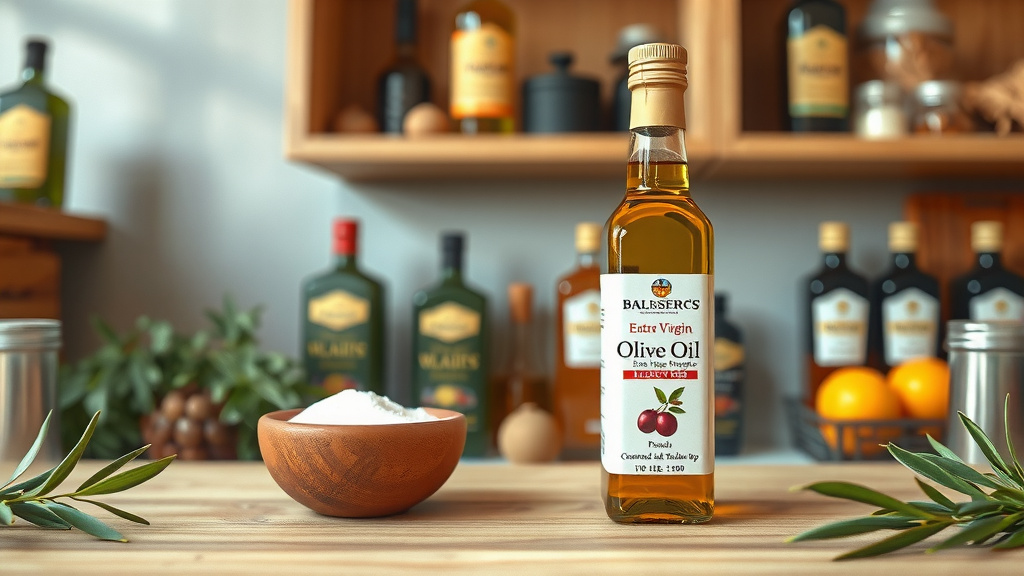
Making Your Olive Oil Last Longer: A Simple Checklist
Want to maximize the life of your delicious EVOO? Follow these easy tips. We found that these practices make a noticeable difference in keeping your oil fresh and flavorful.
- Store in a Cool Place: Keep it away from heat sources like stoves and ovens. A pantry or cupboard is ideal.
- Keep it Dark: Light is an enemy. Use dark glass bottles and store them in a dark place.
- Seal it Tight: Ensure the cap is always screwed on securely after each use.
- Use It Regularly: Try to use your oil within the recommended 3-6 months after opening.
- Consider Smaller Bottles: If you don’t use oil often, buy smaller bottles more frequently.
- Avoid the Fridge (Usually): While refrigeration can slow oxidation, it can also cause the oil to solidify and potentially lose some flavor compounds. Room temperature is generally best for everyday use.
What Happens If You Use Old Olive Oil?
Let’s be clear: using olive oil that is past its prime is generally not harmful. It won’t make you sick in the way spoiled dairy or meat might. The primary issue is the loss of flavor and aroma. Think of it like using old herbs or spices – they lose their potency and impact on your cooking. Many guidelines suggest that rancid oil simply tastes bad.
However, some research suggests that the beneficial compounds in olive oil, like polyphenols, can degrade over time. These compounds are responsible for many of the health benefits attributed to EVOO. While you won’t suffer ill effects from consuming older oil, you might miss out on those desirable health perks and the delightful taste that makes EVOO so special. We found that for the best culinary experience and health benefits, fresh is always best. To maximize these health benefits, explore our guide to the best extra virgin olive oils for health.
“`Conclusion
You’ve learned that your extra virgin olive oil has a shelf life, typically 18-24 months unopened and 3-6 months once opened. Remember, its quality hinges on protecting it from heat, light, and air. While old oil is generally safe, it won’t offer the vibrant flavors or potent health benefits of fresh EVOO. To enjoy your oil at its best, store it properly in a cool, dark place and seal it tightly after each use. Next time you reach for that bottle, give it a quick sniff and taste – your senses will tell you if it’s time for a new one!
Frequently Asked Questions
Does olive oil really go bad?
Yes, extra virgin olive oil can go bad, meaning it loses its desirable flavor and aroma, becoming rancid. This happens over time as it’s exposed to heat, light, and air, which causes oxidation. While it’s generally safe to consume even when rancid, it won’t taste good and will miss out on its health benefits.
How can you tell if olive oil is no longer good?
The best ways to tell if your olive oil has gone bad are by using your senses. If it smells off, like crayons, stale nuts, or even petroleum, it’s likely rancid. A taste test can also reveal if it’s flat, greasy, or has an unpleasant metallic or rancid flavor. Visual cues are less reliable.
Is it safe to cook with old olive oil?
It is generally safe to cook with olive oil that has passed its prime. It won’t make you sick like spoiled dairy or meat might. The main issue is that it will impart an unpleasant taste to your food and won’t offer the flavor or health benefits of fresh olive oil.
Should I store my extra virgin olive oil in the refrigerator?
For everyday use, storing olive oil at room temperature in a cool, dark place is usually best. Refrigeration can slow oxidation but may cause the oil to solidify and potentially affect its delicate flavor compounds. It’s typically not recommended unless you have a very large quantity you won’t use quickly.
What does “bottling date” mean for olive oil shelf life?
The bottling date is the most important date for determining your olive oil’s freshness. Unlike a “best by” date, which is an estimate, the bottling date is when the oil was put into its final container. Unopened oil is typically at its peak quality for 18-24 months from this bottling date.

![7 Best Olive Oil At Costco 2025 [2026]](https://bestpureessentialoils.com/wp-content/uploads/2026/09/7-best-olive-oil-at-costco-2025-2026-featured-768x432.jpg)
![7 Best Commercial Olive Oil [2026]](https://bestpureessentialoils.com/wp-content/uploads/2026/06/7-best-commercial-olive-oil-2026-featured-768x432.jpg)