
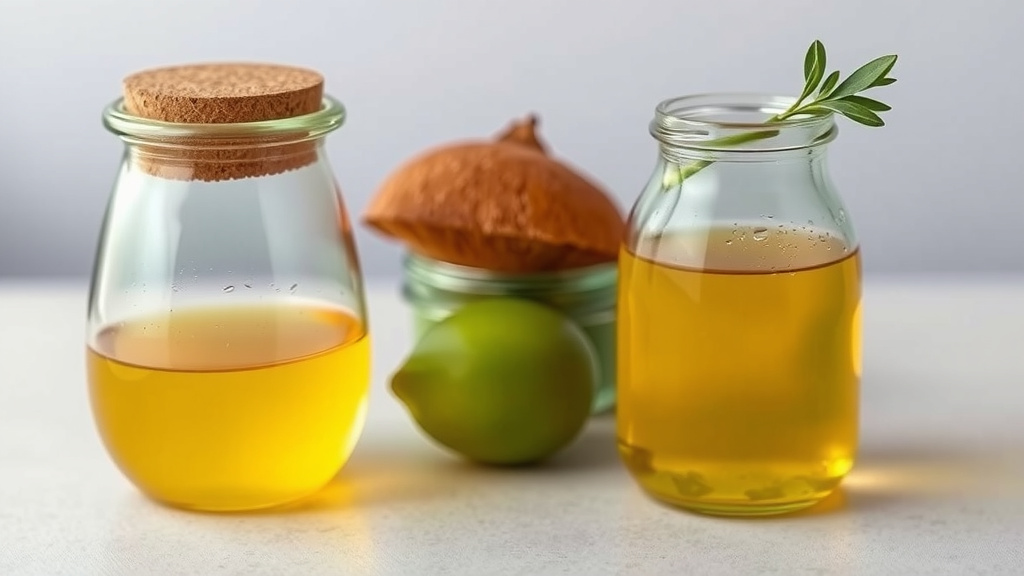
Coconut Oil vs. Olive Oil for Oil Pulling: Which is Best
When choosing between coconut oil and olive oil for oil pulling, coconut oil is generally preferred by most people. Its antimicrobial properties make it a great choice for fighting bacteria in your mouth. Many studies suggest it’s highly effective for improving oral hygiene during the oil pulling process.
While both oils have their benefits, coconut oil stands out for oil pulling. It contains lauric acid, which research shows has powerful antibacterial effects. This can lead to reduced plaque and gingivitis, making your mouth feel fresher. You might find it has a milder taste too.
- Coconut oil is often recommended for oil pulling.
- It has strong antibacterial properties.
- Olive oil can be used, but may be less effective.
- Oil pulling can help reduce plaque and gum inflammation.
- It’s a simple way to boost your oral care routine.
Ready to dive deeper? Below, we’ll break down the key differences and guide you on which oil might be best for your oil pulling journey.
Comparing Coconut Oil and Olive Oil for Your Oil Pulling Routine
You’re likely wondering which oil is the better pick for oil pulling. While both have benefits, research and common practice point towards coconut oil as the star performer. It’s not just a trendy ingredient; its properties are specifically suited for the unique needs of oral hygiene during this ancient practice.
The Science Behind Oil Pulling Oils
Oil pulling works by swishing oil in your mouth. The idea is that the oil “pulls” out bacteria and other debris. It’s like a gentle, natural mouthwash. We need an oil that can effectively trap and remove these unwanted guests from your mouth.
Coconut Oil: The Frontrunner
Coconut oil is often the go-to choice for oil pulling. Why? It’s rich in something called lauric acid. This is a fatty acid that has impressive antimicrobial capabilities. Studies have found that lauric acid can disrupt the cell membranes of certain harmful bacteria commonly found in the mouth, like Streptococcus mutans. These are the same bacteria that contribute to plaque buildup and tooth decay.
When you swish coconut oil, this lauric acid gets to work. It helps to reduce the number of bacteria clinging to your teeth and gums. Many find this leads to a noticeable improvement in mouth freshness and a reduction in that fuzzy feeling on your teeth.
Olive Oil: A Possible Alternative
Olive oil is another option many consider. It’s known for its anti-inflammatory properties and healthy fats. Extra virgin olive oil, in particular, contains antioxidants and oleocanthal, which can help calm inflammation. Some people use it because they already have it on hand or prefer its taste over coconut oil.
While olive oil can offer some benefits, research suggests it may not be as effective at targeting oral bacteria as coconut oil. Its chemical composition doesn’t lend itself as directly to disrupting bacterial colonies in the same way lauric acid does. You might still experience some positive effects, but potentially not to the same degree.
Key Differences Summarized
Let’s break down the main distinctions to help you decide:
| Feature | Coconut Oil | Olive Oil |
|---|---|---|
| Primary Benefit for Oil Pulling | Strong antibacterial action due to lauric acid. | Anti-inflammatory properties; antioxidants. |
| Effectiveness Against Bacteria | High (research shows it targets key oral pathogens). | Moderate (less specific action against oral bacteria). |
| Taste/Texture | Mild, slightly sweet; can be solid at room temperature. | More robust, sometimes bitter or peppery flavor; liquid. |
| Common Recommendation | Widely recommended for oil pulling. | Less commonly recommended for this specific purpose. |
Why Coconut Oil Often Wins for Oil Pulling
The consensus among many dental professionals and oil pulling enthusiasts leans towards coconut oil. This isn’t just a matter of preference; it’s based on what we find in scientific studies. The high concentration of lauric acid in coconut oil is a powerful tool against the bacteria that cause common oral health issues.
Think of it like this: if your goal is to deeply clean and detoxify, you’d choose a specialized tool. Coconut oil acts as that specialized tool for your mouth. It specifically targets and helps dislodge harmful microbes, contributing to a cleaner feeling and potentially healthier gums. Many users report a significant reduction in bad breath after incorporating coconut oil pulling into their routine.
How to Choose the Right Type of Coconut Oil
When you reach for coconut oil, make sure it’s the right kind. You want virgin or extra virgin coconut oil. These types are less processed and retain more of their beneficial compounds, including that potent lauric acid. Refined coconut oil might have fewer of the properties that make it ideal for oil pulling.
Also, consider its state. Coconut oil is solid below about 76°F (24°C). You’ll need to let it melt slightly or warm the tablespoon of oil in your mouth until it liquefies. Don’t worry if it feels a bit thick at first; it will melt quickly with the warmth of your mouth.
Tips for Getting Started with Oil Pulling
Ready to give it a try? It’s simpler than you might think. Here’s a quick guide to get you started on the right foot:
- Choose your oil: Opt for virgin or extra virgin coconut oil.
- Measure it out: Start with about one tablespoon of oil.
- Swish gently: Put the oil in your mouth and swish it around. Don’t swallow!
- Keep it moving: Continue swishing for 10-20 minutes.
- Spit it out: Dispose of the oil in the trash (not your sink, as it can clog pipes).
- Rinse well: Rinse your mouth with warm water afterward.
It might feel strange at first, especially the texture and the time commitment. Be patient with yourself! Your mouth will likely adjust, and you might even start to enjoy the fresh feeling it leaves behind. Many people find they reduce their need for other mouthwashes over time.
Potential Benefits You Might Experience
Beyond just a cleaner mouth, what else can oil pulling do for you? Research and user experiences suggest a few key improvements. Many report a noticeable reduction in plaque buildup on their teeth. Some also find it helps to soothe irritated gums and reduce inflammation, leading to a healthier gum line.
You might also notice that your teeth appear brighter. This is likely due to the removal of surface stains and bacteria that can dull their appearance. It’s a gentle way to contribute to a radiant smile. Remember, consistency is key to seeing these benefits unfold.
Conclusion
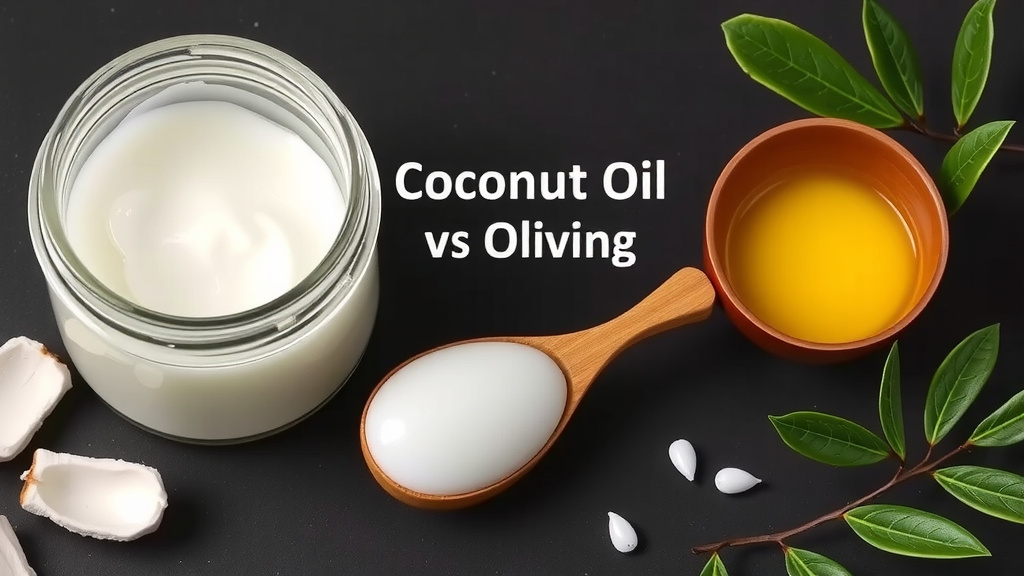
When choosing your oil for pulling, coconut oil generally comes out on top. Research points to its lauric acid as a powerful weapon against common oral bacteria. This can lead to a fresher mouth, less plaque, and healthier gums. While olive oil has its merits, it doesn’t quite match coconut oil’s targeted antibacterial action for this practice. Ready to experience the difference? Start with virgin or extra virgin coconut oil and make oil pulling a consistent part of your oral care routine to see the best results.
Frequently Asked Questions
Can I use regular olive oil for oil pulling?
You can use regular olive oil, but extra virgin olive oil is usually preferred due to its higher antioxidant content. While it may offer some anti-inflammatory benefits, research suggests it’s less effective at combating specific oral bacteria compared to coconut oil.
How long should I actually oil pull for?
Most recommendations suggest swishing for 10 to 20 minutes. It might feel like a long time at first, but consistency is key. Shorter sessions might not allow enough time for the oil to effectively “pull” out impurities from your mouth.
What happens if I accidentally swallow some oil?
If you accidentally swallow a small amount of coconut or olive oil, don’t panic. It’s unlikely to cause significant harm as both oils are generally safe for consumption. However, try to avoid swallowing it as the goal is to expel bacteria, not ingest them.
Is coconut oil better than olive oil for bad breath?
Many users report that coconut oil pulling helps reduce bad breath more effectively. This is likely because its lauric acid is better at eliminating odor-causing bacteria from your mouth, leaving your breath feeling fresher for longer.
Can I use refined coconut oil instead of virgin?
It’s best to use virgin or extra virgin coconut oil for oil pulling. Refining the oil can strip away some of the beneficial compounds, like lauric acid, that make it so effective. Unrefined versions offer stronger antibacterial properties for your oral care routine.

![7 Best Olive Oil Brand For Hair [2026]](https://bestpureessentialoils.com/wp-content/uploads/2026/09/7-best-olive-oil-brand-for-hair-2026-featured-768x432.jpg)

![7 Best Olive Oil At Costco 2025 [2026]](https://bestpureessentialoils.com/wp-content/uploads/2026/09/7-best-olive-oil-at-costco-2025-2026-featured-768x432.jpg)
![7 Best Extra Virgin Olive Oil From California [2026]](https://bestpureessentialoils.com/wp-content/uploads/2026/08/7-best-extra-virgin-olive-oil-from-california-2026-featured-768x432.jpg)
![7 Best Glass Olive Oil Dispenser [2026]](https://bestpureessentialoils.com/wp-content/uploads/2026/08/7-best-glass-olive-oil-dispenser-2026-featured-768x432.jpg)