
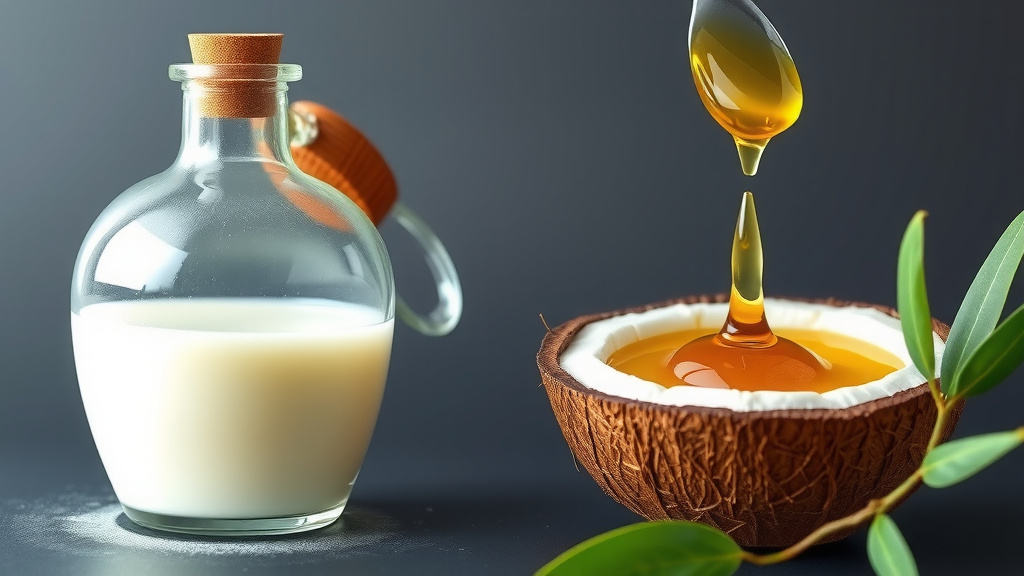
Coconut Oil vs Olive Oil: Which is Healthier for You
When choosing between coconut oil and olive oil for your health and cooking needs, it’s important to know that olive oil is generally considered healthier for heart health due to its monounsaturated fats, while coconut oil is known for its medium-chain triglycerides (MCTs). Both offer unique benefits, and the “best” choice often depends on your specific goals.
You might be wondering which one wins for cooking or wellness. Many studies suggest that extra virgin olive oil is a powerhouse for antioxidants and healthy fats. Coconut oil, on the other hand, has gained popularity for its potential impact on metabolism and its antimicrobial properties. We found that understanding their fatty acid profiles is key to making an informed decision.
- Olive oil is rich in monounsaturated fats, great for heart health.
- Coconut oil is packed with MCTs, which may boost metabolism.
- Extra virgin olive oil offers potent antioxidants.
- Both oils have distinct uses in cooking and for wellness.
- Your personal health goals will guide the best choice.
Let’s break down the science and practical uses of both coconut oil and olive oil so you can confidently pick the one that suits you best.
Comparing Coconut Oil and Olive Oil for Your Kitchen and Wellness
You’re probably curious about which oil is the better choice for your health. Both coconut oil and olive oil have their own unique strengths. We’ve looked into what makes them different to help you decide.
Understanding the Fat Profiles: The Key Difference
The biggest difference between these two popular oils lies in their fat composition. This affects how your body uses them and how they perform in cooking.
Coconut Oil: The MCT Powerhouse
Coconut oil is mostly made up of saturated fats, but a specific kind: medium-chain triglycerides (MCTs). Research suggests MCTs are processed differently by your body.
Instead of being stored in fat tissues, MCTs are sent directly to your liver. They can then be used for quick energy or turned into ketones. Many people find this energizing. The American Heart Association notes that while MCTs have some potential benefits, their overall impact on heart health when consumed in saturated fat-rich coconut oil is still debated (American Heart Association).
Olive Oil: The Monounsaturated Champion
Olive oil, especially extra virgin olive oil (EVOO), is a star when it comes to healthy fats. It’s loaded with monounsaturated fats (MUFAs). These are the kind of fats that are great for your heart.
MUFAs can help lower bad cholesterol (LDL) and raise good cholesterol (HDL). This is a major reason why olive oil is a staple in the heart-healthy Mediterranean diet. The USDA Dietary Guidelines recommend using oils rich in MUFAs and polyunsaturated fats.
Health Benefits: What the Science Says
Both oils have been studied for various health perks, but their benefits often stem from their differing fat profiles.
Coconut Oil’s Potential Perks
Beyond energy, coconut oil’s MCTs might have other effects. Some studies suggest they can help you feel fuller longer, potentially aiding in weight management.
Coconut oil also contains lauric acid, which has antimicrobial and anti-inflammatory properties. This is why you sometimes see it in skincare products. However, when it comes to consuming it, experts advise moderation due to its high saturated fat content.
Olive Oil’s Well-Documented Advantages
Extra virgin olive oil is brimming with antioxidants, like polyphenols. These compounds fight off harmful free radicals in your body, acting like tiny bodyguards.
These antioxidants, along with MUFAs, contribute to olive oil’s reputation for supporting heart health. They may also help reduce inflammation. The Mayo Clinic often highlights olive oil as a heart-healthy fat choice.

Cooking with Coconut Oil vs. Olive Oil
The best oil for cooking depends on the temperature and the type of dish you’re making. Their smoke points and flavors play a big role.
Coconut Oil in the Kitchen
Coconut oil has a relatively high smoke point, making it suitable for sautéing and baking. Refined coconut oil has a higher smoke point than unrefined. Its distinct tropical flavor can be a great addition to certain dishes, like curries or baked goods.
However, it’s not ideal for all cooking. Its flavor can be overpowering in subtle dishes. And when heated repeatedly, like in deep frying, its fatty acid structure can change.
Olive Oil: A Versatile Choice
Extra virgin olive oil has a lower smoke point compared to refined oils. This means it’s best for low-to-medium heat cooking, salad dressings, and finishing dishes.
Using EVOO for high-heat cooking can cause it to break down and lose its beneficial compounds. Light or refined olive oils have higher smoke points and are better for higher-heat frying. Olive oil’s fruity or peppery notes can enhance many savory dishes.
Smoke Points: A Quick Look
Knowing the smoke point helps you avoid burning your oil and creating unhealthy compounds. Here’s a general guide:
| Oil Type | Approximate Smoke Point (°F / °C) |
|---|---|
| Extra Virgin Olive Oil | 375°F / 190°C |
| Refined Olive Oil | 465°F / 240°C |
| Unrefined Coconut Oil | 350°F / 175°C |
| Refined Coconut Oil | 400°F / 205°C |
Making Your Choice: Which Oil Is Right for You?
Deciding between coconut oil and olive oil really comes down to your health goals and how you plan to use it. There isn’t a single “winner” for everyone.
When Olive Oil Might Be Your Go-To
- You want to support your heart health.
- You’re looking for an oil rich in antioxidants.
- You need an oil for salad dressings or low-heat cooking.
- You enjoy its classic, versatile flavor in savory dishes.
When Coconut Oil Might Be Your Pick
- You’re interested in the potential metabolic benefits of MCTs.
- You enjoy its tropical flavor in baking or certain savory recipes.
- You need an oil with a moderate smoke point for sautéing.
A Balanced Approach
Many nutritionists suggest that including both oils in your diet, in moderation, can be beneficial. Think of it as using the right tool for the right job.
Use extra virgin olive oil as your primary cooking fat for everyday use. Reserve coconut oil for specific recipes where its flavor and properties shine. This way, you get a bit of everything!
Your Healthy Oil Checklist
- Prioritize extra virgin olive oil for heart health.
- Consider coconut oil for its MCTs and specific recipes.
- Pay attention to smoke points for cooking safety.
- Read labels to choose quality oils.
- Use oils in moderation as part of a balanced diet.
Conclusion
You’ve learned that both coconut oil and olive oil offer unique benefits for your health and kitchen. Olive oil, especially extra virgin, shines for heart health thanks to its monounsaturated fats and antioxidants. Coconut oil stands out with its MCTs, potentially aiding metabolism and offering distinct flavors for specific recipes. Neither oil is a universal winner; the best choice depends on your personal health goals and cooking needs. We encourage you to use olive oil as your everyday staple and incorporate coconut oil mindfully for its specific advantages, ensuring a balanced and versatile approach to healthy fats.
Frequently Asked Questions
Is coconut oil bad for your heart compared to olive oil?
Research suggests olive oil, rich in monounsaturated fats, is generally better for heart health by helping to lower bad cholesterol. Coconut oil’s high saturated fat content, even from MCTs, has led to debate among health organizations regarding its long-term impact on cardiovascular health when consumed in large amounts.
Can I use coconut oil for high-heat cooking?
Refined coconut oil has a higher smoke point (around 400°F or 205°C) making it suitable for sautéing and some higher-heat cooking than unrefined coconut oil. However, for very high-heat frying, other oils with even higher smoke points might be a better choice to avoid burning.
What’s the main difference in how my body uses these oils?
The key difference lies in their fat composition. Coconut oil’s medium-chain triglycerides (MCTs) are sent directly to the liver for quick energy. Olive oil’s monounsaturated fats are processed differently and are known for their positive effects on cholesterol levels and overall cardiovascular health.
When should I choose olive oil over coconut oil for my diet?
You should favor olive oil when your primary goal is supporting heart health, increasing your intake of antioxidants, or when making salad dressings and low-heat cooking applications. Its classic flavor also complements many savory dishes beautifully.
Can I use both oils in my cooking and diet?
Absolutely! Many nutritionists recommend a balanced approach, using extra virgin olive oil as your primary cooking fat for everyday meals. Coconut oil can then be used selectively in recipes where its unique flavor and properties are desired, offering a bit of both worlds.

![7 Best Extra Virgin Olive Oil For Skin [2026]](https://bestpureessentialoils.com/wp-content/uploads/2026/08/7-best-extra-virgin-olive-oil-for-skin-2026-featured-768x432.jpg)
![7 Best Extra Virgin Olive Oil From California [2026]](https://bestpureessentialoils.com/wp-content/uploads/2026/08/7-best-extra-virgin-olive-oil-from-california-2026-featured-768x432.jpg)

3 Comments