
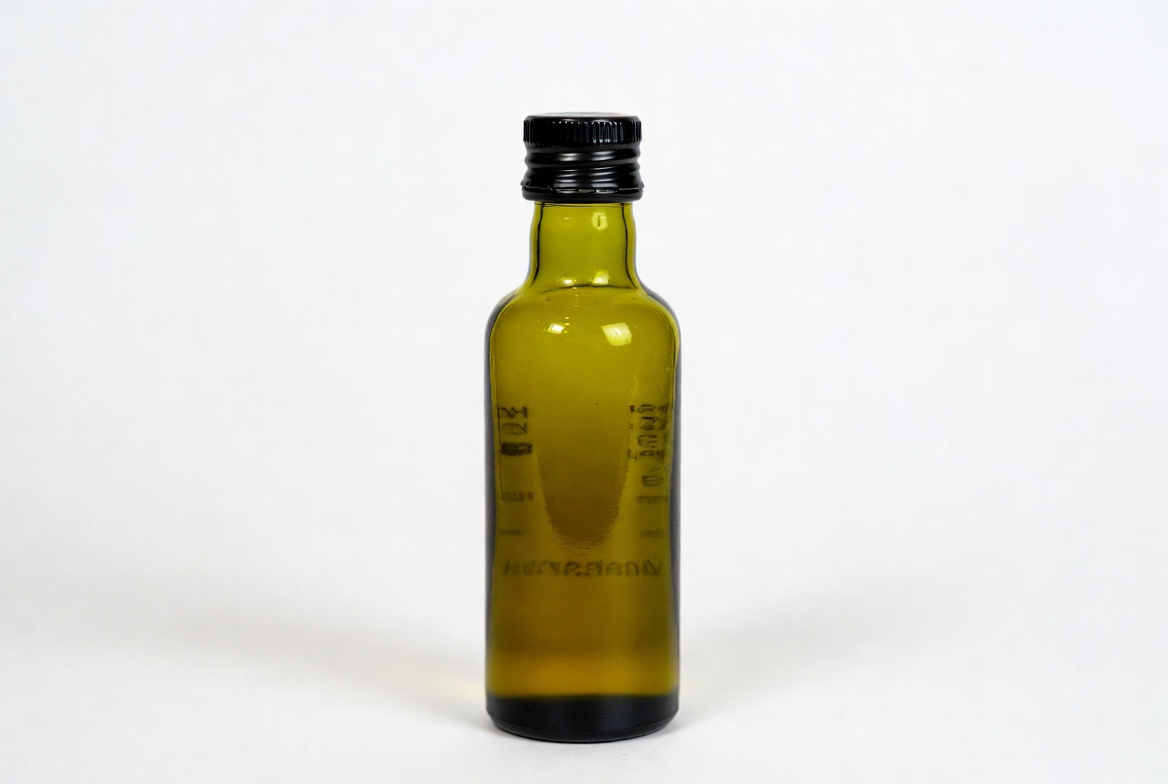
Avocado Oil vs Olive Oil for Face: Which One Is the Real Skin Savior?
If you’ve ever stood in front of your bathroom mirror wondering whether you should be slathering avocado oil or olive oil on your face, you’re not alone. The world of natural skincare can feel like navigating a minefield of contradictory advice, trendy claims, and products that promise the moon but deliver moon dust. Today, we’re settling this once and for all by diving deep into what makes these two oils tick and which one truly deserves a spot in your skincare routine.
Article Outline
- Understanding the Basics: What Are Avocado Oil and Olive Oil?
- The Nutritional Profile Showdown
- How Avocado Oil Works on Your Skin
- The Truth About Olive Oil’s Skincare Benefits
- Absorption Rates: Which Oil Actually Penetrates Your Skin?
- Comedogenic Ratings Explained
- Skin Type Compatibility
- Anti-Aging Properties Compared
- Acne-Prone Skin: Friend or Foe?
- Price and Accessibility Factors
- How to Use Each Oil Effectively
- Potential Side Effects and Precautions
- Combining Both Oils: Is It Worth It?
- Conclusion
- Frequently Asked Questions
Understanding the Basics: What Are Avocado Oil and Olive Oil?
Before we pit these two against each other, let’s get familiar with what we’re actually dealing with. Think of oils like different vehicles—they might both get you where you need to go, but they take different routes and have different features.
What Exactly Is Avocado Oil?
Avocado oil comes from pressing the flesh of avocados, the same fruit you probably enjoy in your salads. It’s got a rich, buttery nature that comes from being naturally high in fat content. The oil is typically cold-pressed, which means it’s extracted without heat or chemicals, preserving all those good compounds inside. You’ll notice it has a greenish hue and a slightly fruity aroma if you get the pure, virgin stuff.
The extraction process is important because it determines how many beneficial nutrients survive the journey from fruit to bottle. Cold-pressed avocado oil retains more of its natural vitamins, minerals, and antioxidants compared to refined versions that have been heated and processed.
What About Olive Oil?
Olive oil is extracted from the olives of the olive tree, primarily grown in Mediterranean regions. It’s been used for thousands of years, both in cooking and skincare. When we talk about olive oil for skincare, we’re usually referring to extra virgin olive oil, which is the least processed form and retains the most nutritional value.
Olive oil has a golden to dark green color depending on when the olives were harvested and processed. Early harvest oils tend to be greener and more robust, while later harvests produce milder, golden varieties. The flavor and aroma can vary widely, but for skincare purposes, you’ll want to choose based on purity rather than taste.
The Nutritional Profile Showdown
Now here’s where things get interesting. Both oils are nutritional powerhouses, but they bring different gifts to the table.
What’s Inside Avocado Oil?
Avocado oil is packed with monounsaturated fats, which are the good kind of fat that your skin loves. It contains approximately 70 percent monounsaturated fatty acids. Beyond that, you’re getting vitamins A, D, and E, which are all critical for skin health and repair. There’s also lutein, a powerful antioxidant that protects your skin from environmental damage and oxidative stress.
Perhaps most importantly, avocado oil contains sterolins, which are compounds that help reduce inflammation and support your skin’s natural barrier function. Think of sterolins as security guards protecting the gates of your skin cells.
The Nutritional Content of Olive Oil
Olive oil is similarly generous with monounsaturated fats, containing about 75 percent of these beneficial fatty acids. It’s loaded with polyphenols, which are incredibly powerful antioxidants that fight free radicals and prevent premature aging. You’ve probably heard the term “polyphenols” thrown around in health circles, and there’s a reason for that—they’re serious anti-aging warriors.
Olive oil also contains vitamin E, vitamin K, and iron. The oleic acid found in olive oil is particularly effective at penetrating the skin and delivering hydration deep into the layers where it matters most. This is why olive oil has been a skincare staple for generations.
How Avocado Oil Works on Your Skin
Let’s talk mechanism. How does avocado oil actually improve your skin’s appearance and health?
Deep Hydration and Moisture Lock
Avocado oil works like an internal hydration system. It penetrates into the deeper layers of your skin, not just sitting on the surface like water would. Once it’s in there, it helps lock in moisture and prevents transepidermal water loss. That’s the fancy term for water evaporating from your skin throughout the day.
Because avocado oil is rich in fatty acids, it’s particularly effective for dry skin. It helps restore and maintain your skin’s lipid barrier, which is essentially your skin’s natural protective shield against environmental stressors.
Anti-Inflammatory Benefits
If your skin is dealing with inflammation, redness, or sensitivity, avocado oil can be your gentle ally. The sterolins and other compounds in avocado oil help calm irritated skin and reduce inflammatory responses. This makes it particularly useful for conditions like eczema, psoriasis, or general skin irritation.
Collagen Support
Avocado oil contains vitamin A, which encourages your skin to produce more collagen. Collagen is what keeps your skin firm, bouncy, and youthful. As we age, collagen production naturally decreases, leading to fine lines and sagging. By supporting collagen production, avocado oil helps you maintain a more youthful appearance.
The Truth About Olive Oil’s Skincare Benefits
Olive oil is like the classic car that never goes out of style. Let’s explore why dermatologists have recommended it for centuries.
Superior Antioxidant Protection
Olive oil’s polyphenol content is genuinely impressive. These antioxidants neutralize free radicals—those unstable molecules that damage your skin cells and accelerate aging. If you’re exposed to pollution, UV rays, or just living a regular life on Earth, you’re constantly battling free radicals. Olive oil helps your skin fight back.
The antioxidant power in olive oil is so significant that some research suggests it can help prevent age spots, sun damage, and other signs of premature aging. It’s like giving your skin an invisible force field against environmental aggressors.
Natural Emollient Properties
Olive oil is an exceptional emollient, meaning it softens and smooths your skin. It creates a protective layer that prevents moisture from escaping while also making your skin feel incredibly soft and supple. This is why olive oil has been used in skincare for thousands of years—it simply works.
Wound Healing Support
If you have minor blemishes, scars, or areas of skin damage, olive oil can support the healing process. It promotes circulation and provides the nutrients your skin needs to repair itself. The vitamin K in olive oil is particularly important for healing and reducing the appearance of bruises and redness.
Absorption Rates: Which Oil Actually Penetrates Your Skin?
Here’s something most people don’t consider: just because an oil is good for your skin doesn’t mean it actually gets where it needs to go.
How Fast Does Avocado Oil Absorb?
Avocado oil absorbs moderately well into the skin. It’s not the fastest-absorbing oil on the market, but it’s not a heavy, greasy disaster either. Its molecular structure allows it to penetrate reasonably well while still leaving a nourishing layer on the surface. This balance is actually ideal for many skin types because you get both protection and deep hydration.
The absorption rate also depends on the amount you use. A tiny amount of avocado oil will absorb relatively quickly, while a heavy application might feel greasy for a few hours. This is why proper application technique matters.
Olive Oil’s Penetration Characteristics
Olive oil is actually heavier and absorbs more slowly than avocado oil. It tends to sit on the skin surface longer, which means it’s more likely to feel oily or greasy if you use too much. However, this slower absorption rate also means it provides longer-lasting protection and moisture retention.
Think of it this way: avocado oil is like a fast-absorbing serum, while olive oil is like a rich moisturizing cream. One isn’t better than the other; they just have different characteristics.
Comedogenic Ratings Explained
This is critical information if you have acne-prone skin. The comedogenic rating tells you how likely an oil is to clog your pores and cause breakouts.
Understanding the Scale
The comedogenic scale runs from 0 to 5, with 0 being non-comedogenic (won’t clog pores) and 5 being highly comedogenic (will definitely clog pores). Ratings between 1 and 3 are generally considered safe for most people, though individual reactions vary.
Avocado Oil’s Comedogenic Rating
Avocado oil typically rates between 2 and 3 on the comedogenic scale, depending on the source. This means it has a relatively low risk of clogging pores for most people, but it’s not completely pore-safe. If you have extremely sensitive, acne-prone skin, you’ll want to test it first on a small area before committing to a full face application.
Olive Oil’s Comedogenic Rating
Olive oil comes in around 2 on the comedogenic scale, making it slightly less likely to clog pores than avocado oil. However, the difference is minimal, and both are generally considered acceptable for most skin types when used properly and in appropriate amounts.
Skin Type Compatibility
Not all oils are created equal for every skin type. Let’s break down which oil works best for different skin conditions.
For Dry Skin
If your skin is perpetually parched and flaky, both oils are beneficial, but avocado oil edges out ahead. Its higher concentration of fatty acids and sterolins make it exceptionally hydrating and barrier-repairing. It also absorbs better, so you won’t feel like you’re wearing a greasy mask all day.
For Oily Skin
This is tricky because oily skin doesn’t necessarily benefit from heavy oils, even good ones. However, if you have oily skin that’s also dehydrated (yes, this happens more often than you’d think), a very light application of either oil might actually help balance your skin. The key is using an incredibly small amount and being willing to skip it some days.
For Sensitive Skin
Both oils are generally well-tolerated by sensitive skin, but avocado oil’s anti-inflammatory properties give it a slight advantage. Its sterolins specifically help calm irritation, making it particularly suitable for reactive or inflamed skin conditions.
For Combination Skin
Combination skin types might prefer using these oils on specific areas only. Apply avocado or olive oil to drier zones while avoiding the oily T-zone. This targeted approach gives you the benefits of these nourishing oils without exacerbating oiliness where you don’t need it.
For Mature Skin
Mature skin with fine lines and loss of elasticity benefits immensely from both oils, but olive oil’s superior antioxidant content makes it particularly valuable for fighting age-related damage. The polyphenols in olive oil are specifically beneficial for maintaining firmness and reducing visible signs of aging.
Anti-Aging Properties Compared
If you’re concerned about fine lines, wrinkles, and maintaining a youthful appearance, this section is for you.
Collagen Production and Elasticity
Avocado oil supports collagen production through its vitamin A content, helping maintain skin elasticity and firmness. Olive oil, meanwhile, doesn’t directly stimulate collagen but protects existing collagen from damage through its powerful antioxidants. It’s like the difference between building new muscle and preventing muscle breakdown—both are valuable.
Free Radical Defense
Olive oil wins this round with its impressive polyphenol content. These antioxidants actively fight free radical damage, which is one of the primary causes of visible aging. If preventing age spots, sun damage, and oxidative stress is your priority, olive oil’s antioxidant arsenal is particularly impressive.
Fine Line Reduction
Both oils help reduce the appearance of fine lines through improved hydration and skin plumping. However, avocado oil’s superior hydration and faster absorption make it slightly more effective for this purpose. Well-hydrated skin appears plumper and smoother, making fine lines less visible.
Acne-Prone Skin: Friend or Foe?
If you struggle with acne, the prospect of using any oil on your face can feel counterintuitive. Let’s address this directly.
Can You Use These Oils If You Have Acne?
Yes, but with caution and careful application. The key is understanding that acne-prone skin actually benefits from proper hydration and certain nutrients. The problem arises when you use too much oil or when the oil you choose is particularly comedogenic.
Avocado Oil and Breakouts
Some people with acne-prone skin tolerate avocado oil well, while others find it triggers breakouts. Its sterolins and anti-inflammatory properties can actually help calm acne-related inflammation, but the fatty acid content might feed acne-causing bacteria in susceptible individuals. The safest approach is a patch test on a small area first.
Olive Oil and Acne Considerations
Olive oil is slightly lower on the comedogenic scale than avocado oil, which means it’s marginally less likely to clog pores. However, its heavier nature means it sits on the skin surface longer, which could be problematic for very acne-prone individuals. Again, patch testing is essential before full facial application.
Best Practices for Acne-Prone Skin
If you want to use either oil despite having acne, follow these guidelines:
- Always patch test on a small, inconspicuous area first
- Use extremely minimal amounts—a few drops go a long way
- Apply only to clean skin, preferably at night
- Consider using the oil only on particularly dry


![7 Best Olive Oil At Costco [2026]](https://bestpureessentialoils.com/wp-content/uploads/2026/07/7-best-olive-oil-at-costco-2026-featured-768x432.jpg)
![7 Best Everyday Olive Oil For Cooking [2026]](https://bestpureessentialoils.com/wp-content/uploads/2026/07/7-best-everyday-olive-oil-for-cooking-2026-featured-768x432.jpg)