
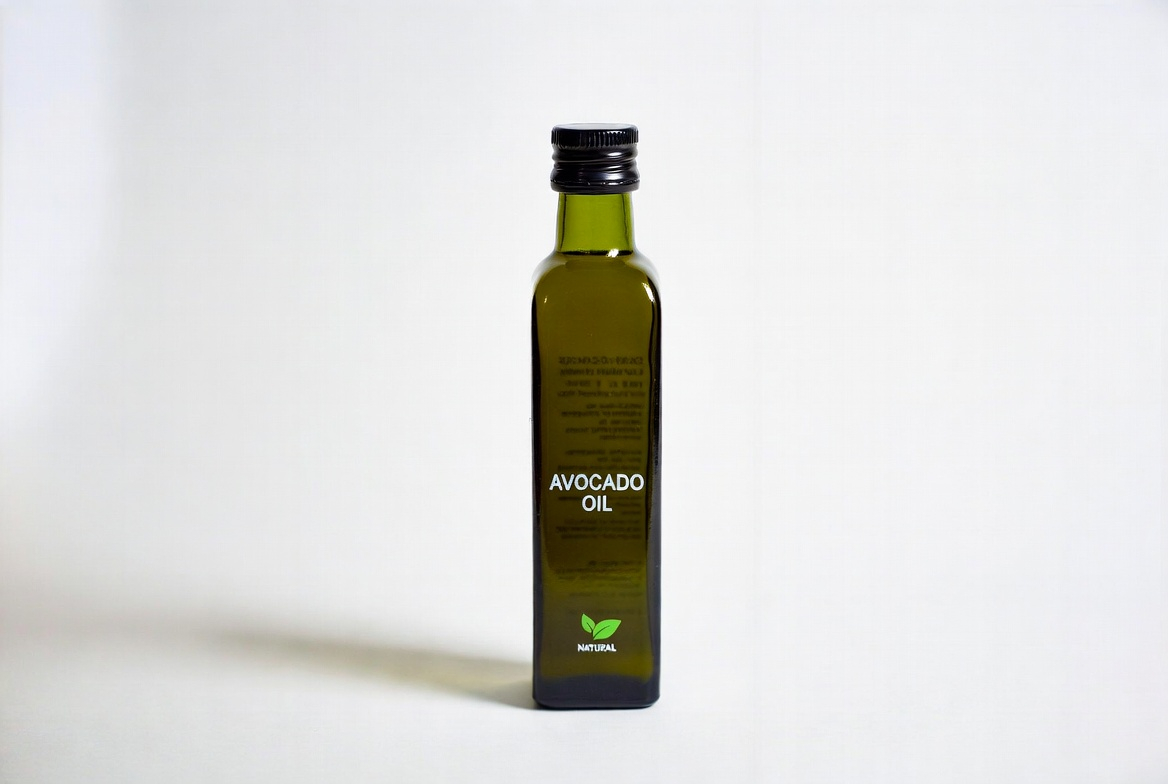
Avocado Oil vs Olive Oil for Baking: Which Makes Your Cakes Fluffier?
Have you ever stood in your kitchen, staring at your pantry, wondering which oil would make your next batch of cupcakes absolutely divine? I’ve been there too. The choice between avocado oil and olive oil for baking can feel surprisingly complicated, especially when you’re trying to nail that perfect texture and flavor profile. But here’s the thing—understanding the differences between these two oils isn’t just about chemistry; it’s about transforming your baking game entirely.
Let me walk you through everything you need to know about these two popular cooking oils and how they’ll impact your baked creations. Whether you’re whipping up a simple vanilla cake or attempting an elaborate layered masterpiece, the oil you choose matters more than you might think.
Understanding the Basics: What Are These Oils Anyway?
Before we dive into the nitty-gritty of which oil reigns supreme in your oven, let’s talk about what these oils actually are. Both avocado oil and olive oil come from plants, but they’re extracted and processed differently, which dramatically affects how they behave when baking.
The Origin Story of Avocado Oil
Avocado oil comes from the fruit of avocado trees. Now, you might be thinking, “Wait, avocados have oil?” Absolutely they do. When producers extract avocado oil, they’re essentially pressing the nutrient-dense flesh of the fruit to release its natural oils. The result is a smooth, mild oil that has a higher smoke point than you might expect. This is crucial for bakers because it means the oil can handle higher temperatures without breaking down or imparting unwanted flavors to your delicate baked goods.
The History and Nature of Olive Oil
Olive oil, on the other hand, comes from olives and has been a staple in Mediterranean kitchens for thousands of years. When you press olives, you get an oil that’s often robust in flavor and aroma. This is where things get interesting for bakers. The type of olive oil you use—whether it’s extra virgin, virgin, or refined—will dramatically change your baking results.
The Smoke Point Showdown: Heat Tolerance Explained
Let’s talk about smoke points because this is where these two oils really start to show their differences. The smoke point is the temperature at which an oil starts to break down and smoke, and understanding this is absolutely essential for successful baking.
Avocado Oil’s Heat Performance
Avocado oil boasts an impressive smoke point of around 500 degrees Fahrenheit, depending on whether it’s refined or unrefined. The refined version typically sits higher at around 500 degrees Fahrenheit, while the unrefined version might be slightly lower. This high smoke point makes avocado oil incredibly versatile in the kitchen. You can use it for high-temperature baking, and it’ll remain stable and neutral.
Olive Oil’s Temperature Tolerance
Now, here’s where people often get confused about olive oil. Extra virgin olive oil has a smoke point of around 375 to 405 degrees Fahrenheit, which is considerably lower than avocado oil. Regular or refined olive oil climbs higher to about 465 degrees Fahrenheit. This matters because if you’re baking at temperatures above 400 degrees, you’re pushing extra virgin olive oil beyond its comfort zone.
What This Means for Your Baking
When oil exceeds its smoke point, it doesn’t just start smoking—it breaks down chemically, creating compounds that can taste bitter and affect your baked goods’ texture and flavor. For delicate cakes and pastries, avocado oil’s superior heat stability gives it a significant advantage, especially if you’re baking at higher temperatures.
Texture and Fluffiness: The Real Magic Happens Here
Now we’re getting to the heart of what really matters—will your cake be fluffy or dense? Will your brownies have that perfect crumb structure or turn out greasy? The oil you choose directly influences these outcomes.
How Avocado Oil Affects Cake Texture
Avocado oil creates remarkably light, fluffy cakes. Here’s why: avocado oil is relatively neutral in flavor and has a clean, crisp composition that doesn’t interfere with your cake’s crumb structure. When you mix avocado oil into your batter, it distributes evenly, creating tiny, uniform pockets of air. These air pockets expand when heat is applied, giving you that coveted fluffy, tender crumb. Many professional bakers specifically choose avocado oil when they want to achieve maximum fluffiness because it doesn’t weigh down the batter.
Olive Oil’s Impact on Cake Structure
Olive oil, particularly extra virgin varieties, has a denser molecular structure. When you use olive oil in baking, your cakes tend to be slightly denser and more moist, which some people absolutely love. If you’re making Mediterranean-style cakes or oil cakes designed to be rich and moist, olive oil is your friend. However, if fluffiness is your goal, olive oil might make your cake more tender and heavy rather than light and airy.
The Science Behind the Fluffiness
Think of your cake batter like a tiny construction site. The flour provides the structure, the eggs provide the binding, the sugar provides sweetness and moisture, and the oil provides lubrication. A lighter oil like avocado oil lubricates efficiently without adding extra weight, allowing air bubbles to expand freely. A heavier oil like olive oil still lubricates well but adds density to the overall mixture, resulting in a more substantial crumb.
Flavor Profiles: What You’re Actually Tasting
Let’s be honest—flavor matters just as much as texture. Nobody wants a fluffy cake that tastes off or unusual.
The Neutral Character of Avocado Oil
One of avocado oil’s greatest strengths is its neutrality. It has a mild, almost imperceptible flavor that doesn’t compete with your cake’s other ingredients. This makes it perfect for vanilla cakes, delicate yellow cakes, or any baked good where you want the starring flavors to shine. You could use avocado oil in a lemon pound cake and never taste the oil itself—only the bright citrus notes.
Olive Oil’s Distinctive Presence
Extra virgin olive oil, by contrast, carries a pronounced flavor. Depending on the olive oil’s origin and quality, you might taste grassy, peppery, fruity, or nutty notes. This isn’t necessarily bad—it’s actually wonderful if you’re intentionally designing a cake to have these flavor characteristics. Mediterranean olive oil cakes are specifically designed to showcase the oil’s flavor. However, if you’re not planning for olive oil’s presence, it can overshadow subtle flavors in your baked goods.
Nutritional Considerations for Your Baking
While baked goods aren’t exactly health food, the nutritional profile of your chosen oil does matter somewhat.
Avocado Oil’s Nutritional Benefits
- Rich in monounsaturated fats, the heart-healthy kind
- Contains lutein and zeaxanthin, compounds beneficial for eye health
- Higher in vitamin E compared to olive oil
- Contains potassium and other essential minerals
Olive Oil’s Nutritional Profile
- Excellent source of polyphenols, powerful antioxidants
- Contains high amounts of monounsaturated fats
- Rich in vitamin K and other fat-soluble vitamins
- Well-researched health benefits associated with Mediterranean diet
Honestly, both oils are nutritionally solid choices. Neither one will make your cake unhealthy, and the differences are relatively minimal in the context of a baked treat.
Cost Comparison: What Will Your Wallet Say?
Let’s talk money because budgets are real. Avocado oil typically costs more than olive oil, especially if you’re buying quality versions of each. A bottle of good avocado oil might run you fifteen to twenty dollars, while a comparable bottle of olive oil could be half that price. However, avocado oil’s higher smoke point means you can use it for more applications, spreading out the investment.
Best Baking Applications for Each Oil
When to Use Avocado Oil
Choose avocado oil when you’re making:
- Fluffy layer cakes and sponge cakes
- Delicate cupcakes requiring a tender crumb
- Any baked good where neutral flavor is essential
- High-altitude baking, which benefits from oils with superior stability
- Chocolate cakes where you want the chocolate flavor to dominate
When to Use Olive Oil
Reach for olive oil when you’re preparing:
- Mediterranean-style cakes designed to showcase the oil’s flavor
- Rustic, dense cakes and oil cakes
- Focaccia and savory baked goods
- Recipes that intentionally call for olive oil
- Lower-temperature baked goods
The Substitution Game: Can You Really Swap Them?
Technical Substitution Possibility
Yes, you can technically substitute one for the other in most recipes. The ratio remains one-to-one; if a recipe calls for one cup of olive oil, you can use one cup of avocado oil instead. However, and this is important, the results won’t be identical.
What Changes When You Substitute
If you substitute avocado oil for olive oil, you’ll likely get a lighter, fluffier result with more neutral flavor. If you substitute olive oil for avocado oil, your baked good will be denser and carry olive oil’s characteristic taste. Neither outcome is necessarily wrong—it’s just different from what the recipe developer originally intended.
Temperature Stability: Why It Matters More Than You Think
Here’s something bakers don’t always discuss but absolutely should: how stable your oil remains during the baking process. Stability isn’t just about smoke points—it’s about whether the oil’s molecular structure breaks down and oxidizes.
Avocado Oil’s Remarkable Stability
Avocado oil contains natural antioxidants that help it resist oxidation, meaning it maintains its integrity better during baking. This is huge because it means your baked goods stay fresher longer and don’t develop off-flavors as quickly.
Olive Oil’s Oxidation Concerns
Extra virgin olive oil, while delicious, oxidizes more readily. This means it can develop rancid flavors faster, especially if exposed to heat repeatedly. This is another reason refined olive oil sometimes performs better for baking than extra virgin—the refining process removes some of the compounds that oxidize most easily.
Storage and Longevity: Keeping Your Oil Fresh
How you store these oils affects their performance in your baking. Avocado oil generally has a longer shelf life than olive oil, especially extra virgin varieties. Store both oils in cool, dark places away from direct sunlight, but don’t stress too much—both will perform wonderfully if you’re using them regularly.
Real Baker’s Experience: What Actually Happens
I decided to test both oils in identical vanilla cake recipes to see the real-world differences. With avocado oil, I got a cake with an exceptionally light, fine crumb that stayed moist for four days. With olive oil, I got a denser, more moist cake that tasted slightly peppery. Both were delicious, but completely different experiences. The avocado oil cake felt more like what most people imagine when they think “fluffy cake,” while the olive oil cake felt more special and intentional.
Conclusion
So, which oil makes your cakes fluffier? Avocado oil, without question. Its neutral flavor, high smoke point, superior stability, and lighter molecular composition create the ideal conditions for fluffy, tender cakes that stay moist for days. However, this doesn’t mean olive oil is wrong for baking—it’s just different.
The real answer depends on what you’re actually trying to achieve. If maximum fluffiness is your goal, avocado oil is your champion. If you want a more substantial, flavorful cake with rustic appeal, olive oil delivers beautifully. The best bakers don’t choose between these oils—they keep both on hand and use them strategically based on the specific cake they’re creating. Now that you understand how each oil works, you’re equipped to make the choice that’s right for your next baking adventure. Happy baking!
Frequently Asked Questions
Can I use avocado oil in recipes that specifically call for olive oil?
Absolutely, you can. Since avocado oil is neutral and has a similar consistency to olive oil, it works as a one-to-one substitute. Your baked goods might be slightly fluffier and less flavorful than intended, but they’ll still be delicious. The main consideration is whether the recipe designer specifically wanted olive oil’s flavor to come through.
Why do some professional bakers swear by olive oil for cakes?
Professional bakers who favor olive oil often do so because they’re making intentional oil cakes designed to be rich and moist with pronounced flavor. Olive oil cakes are a legitimate category of baked goods with centuries of tradition, especially in Mediterranean cooking. These bakers have chosen the right tool for their specific purpose.
Does avocado oil work well for brownies and cookies?
Yes, avocado oil works excellently for brownies and cookies. It creates tender, moist brownies without the heaviness that some oils impart. For cookies, avocado oil helps you achieve crispy edges while keeping the centers chewy. Many professional cookie and brownie makers specifically choose avocado oil for these applications.
Is refined olive oil better for baking than extra virgin?
For most baking applications, refined olive oil is actually superior to extra virgin. Refined olive oil has a higher smoke point, neutral flavor, and greater heat stability. Extra virgin olive oil is better reserved for finishing dishes or situations where you specifically want its pronounced flavor.
How much oil should I substitute if my recipe calls for butter?
When substituting oil for butter, use about seventy-five percent of the butter amount in oil. So if a recipe calls for one cup of butter, use about three-quarters cup of oil. Oil contains no water, while butter does, so using the full amount would make your baked goods too wet and greasy.
“`

![7 Best Infused Olive Oil Brands [2026]](https://bestpureessentialoils.com/wp-content/uploads/2026/08/7-best-infused-olive-oil-brands-2026-featured-768x432.jpg)
![7 Best Extra Virgin Olive Oil From Morocco [2026]](https://bestpureessentialoils.com/wp-content/uploads/2026/08/7-best-extra-virgin-olive-oil-from-morocco-2026-featured-768x432.jpg)
![7 Best Italian Olive Oil In The World [2026]](https://bestpureessentialoils.com/wp-content/uploads/2026/08/7-best-italian-olive-oil-in-the-world-2026-featured-768x432.jpg)