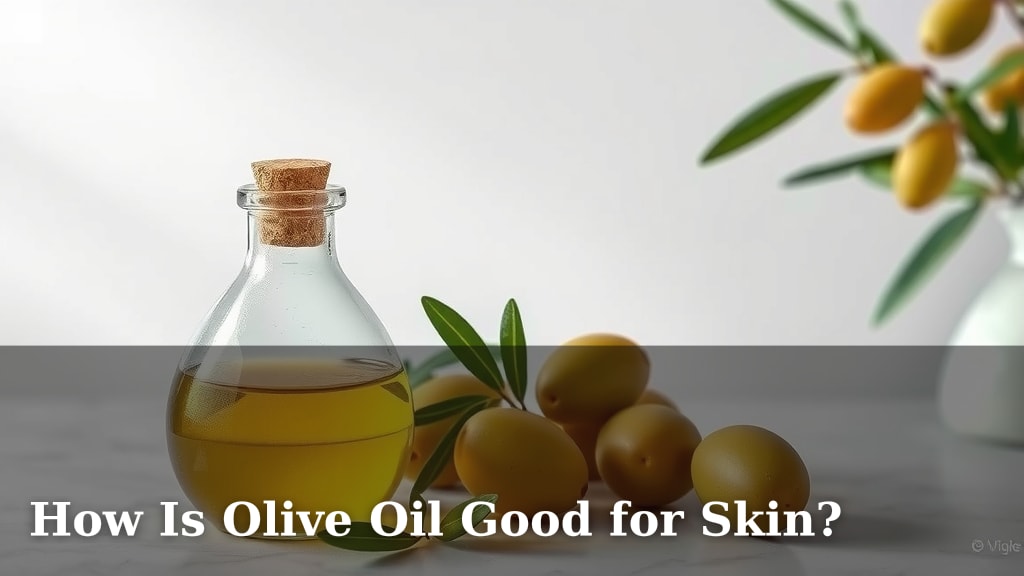
How Is Olive Oil Good for Skin?
Yes, olive oil is wonderfully good for your skin because it’s packed with healthy fats and antioxidants. These powerful ingredients help to moisturize your skin and fight off damage from the sun and pollution. It’s like giving your skin a healthy drink.
Many people turn to olive oil for its natural skin benefits. It’s been used for centuries to keep skin soft and supple. You might be surprised how many ways this kitchen staple can actually help your complexion and protect your skin’s barrier.
- Olive oil moisturizes and hydrates skin.
- It contains antioxidants that fight aging.
- It helps protect your skin’s natural barrier.
- It can soothe dry and irritated skin.
- Look for extra virgin olive oil for the best results.
Ready to learn how this pantry staple can do wonders for your skin? Let’s dive into the details of why olive oil is such a great addition to your skincare routine.
Why Olive Oil Is a Skincare Superstar
You might be surprised to learn that the olive oil in your kitchen can also be a wonderful friend to your skin. It’s not just for cooking; this liquid gold has been a beauty secret for ages! We found that olive oil is packed with things your skin loves, helping it look and feel its best.
Deep Hydration from Healthy Fats
One of the main reasons olive oil is so good for your skin is its rich content of healthy fats. These are primarily monounsaturated fatty acids, like oleic acid. Think of these fats as tiny helpers that can soak into your skin and keep it moisturized. They create a smooth, supple feeling.
When your skin is dry, it often means its natural barrier isn’t holding onto moisture very well. Olive oil can help reinforce that barrier. It acts like a shield, preventing water from escaping your skin. This is especially helpful in dry climates or during winter months when the air is less humid.
Antioxidant Powerhouse for Protection
Olive oil is also loaded with antioxidants. These are compounds that fight off damage caused by unstable molecules called free radicals. You encounter free radicals from things like pollution, UV rays from the sun, and even just the natural aging process.
The antioxidants in olive oil, such as vitamin E, polyphenols, and carotenoids, help neutralize these free radicals. This means they can prevent or slow down damage to your skin cells. Many experts say this antioxidant action is key to preventing premature aging signs like wrinkles and fine lines (NCBI).
Vitamin E: A Skin Staple
Vitamin E is a well-known antioxidant that’s abundant in olive oil. It’s a champion at protecting your skin from damage. It also helps with skin healing and repair. You’ll find it’s a common ingredient in many high-quality skincare products for good reason!
Polyphenols: The Extra Defense
Polyphenols are another type of antioxidant found in olive oil. Research has shown they have anti-inflammatory and antioxidant effects. This means they can help calm irritated skin and provide an extra layer of defense against environmental stressors.
How Olive Oil Benefits Your Skin
Now that we know what’s inside olive oil, let’s look at exactly how it helps your skin. It tackles common concerns like dryness, irritation, and signs of aging.
Soothing Dry and Irritated Skin
If you have patches of dry, flaky, or even slightly red skin, olive oil can be incredibly soothing. Its emollient properties help to soften rough skin. The anti-inflammatory compounds can also calm redness and irritation.
We found that applying a small amount of olive oil to areas of discomfort can provide quick relief. It’s like a gentle balm that comforts your skin. It’s a simple, natural way to manage minor skin discomforts.
Boosting Your Skin’s Natural Barrier
Your skin’s barrier is its first line of defense. When it’s compromised, your skin can become sensitive, dry, and prone to infections. Olive oil helps to strengthen this barrier by providing essential lipids and fatty acids.
These components are naturally found in healthy skin. By replenishing them with olive oil, you help your skin retain moisture better and resist external irritants. Think of it as giving your skin its protective armor back.
Fighting Signs of Aging
The fight against wrinkles and fine lines is something many of us are concerned about. The antioxidants in olive oil play a big role here. By combating free radical damage, they help maintain skin’s elasticity and firmness.
While olive oil won’t magically erase all signs of aging, it can certainly help prevent them from appearing too soon. Consistent use can contribute to smoother, younger-looking skin over time. Many dermatologists acknowledge the role of antioxidants in anti-aging strategies (Cleveland Clinic).
How to Incorporate Olive Oil into Your Routine
You don’t need to be a skincare expert to use olive oil. It’s very versatile. Here are a few simple ways you can try it:
- As a Moisturizer: After cleansing your face or body, apply a few drops of olive oil and gently massage it in. A little goes a long way!
- For Makeup Removal: Dampen a cotton pad with olive oil and gently wipe away makeup. It breaks down even stubborn waterproof mascara.
- As a Deep Conditioner for Hair: Apply olive oil to your hair, let it sit for 30 minutes, then shampoo and rinse.
- Cuticle Oil: Massage a tiny bit into your cuticles to soften them and strengthen nails.
Choosing the Right Olive Oil
Not all olive oils are created equal when it comes to skincare. For the best results, you’ll want to choose extra virgin olive oil (EVOO). Why? Because EVOO is the least processed type of olive oil.
This means it retains more of its natural beneficial compounds, like antioxidants and vitamins. Look for a bottle that says “Extra Virgin” and is preferably in a dark glass container to protect it from light. You can often find good quality EVOO in your local grocery store’s cooking oil aisle.
| Oil Type | Key Benefits for Skin | Considerations |
|---|---|---|
| Extra Virgin Olive Oil | Rich in antioxidants (Vitamin E, polyphenols), deeply moisturizing, anti-inflammatory. | Can be heavy for very oily skin types, potential for clogged pores if not used carefully. |
| Coconut Oil | Highly moisturizing, antimicrobial properties (lauric acid). | Can be comedogenic (clogs pores) for many people, especially on the face. |
| Jojoba Oil | Similar to skin’s natural sebum, great for balancing oil production, non-greasy. | Less antioxidant-rich than EVOO. |
Important Considerations Before You Start
While olive oil is generally safe and beneficial, it’s not a one-size-fits-all solution. Here’s what you should keep in mind:
- Patch Test: Always do a patch test on a small area of your skin before applying it all over. Wait 24 hours to check for any redness or irritation.
- Skin Type: If you have very oily or acne-prone skin, use olive oil sparingly and perhaps only on drier areas of your body. It can be a bit heavy for some.
- Purity: Ensure you are using pure, high-quality extra virgin olive oil.
Your Simple Skincare Checklist
Ready to give olive oil a try? Here’s a quick rundown to help you:
- Choose Extra Virgin Olive Oil (EVOO).
- Perform a patch test first.
- Use sparingly if you have oily or acne-prone skin.
- Apply to damp skin for better absorption.
- Use it as a natural makeup remover.
- Enjoy the moisturizing benefits!
Conclusion
You’ve learned how olive oil is a natural powerhouse for your skin. Its healthy fats deeply hydrate and protect your skin’s natural barrier. The antioxidants in it fight off damage and signs of aging. By choosing extra virgin olive oil and doing a patch test, you can easily add this kitchen staple to your routine.
Ready to give your skin a natural boost? Start with a small amount tonight and see how your skin feels. You might be surprised by the healthy glow you achieve!
Frequently Asked Questions
Can I use olive oil on my face every day?
For most people, using olive oil sparingly once a day or a few times a week is fine. If you have very oily or acne-prone skin, it’s best to use it less often or just on dry areas to avoid potential breakouts.
What type of olive oil is best for skin?
Extra virgin olive oil (EVOO) is the best choice for your skin. It’s the least processed and retains the most beneficial antioxidants and vitamins. Always look for “Extra Virgin” on the label.
Will olive oil clog my pores?
Olive oil can be comedogenic, meaning it has the potential to clog pores for some individuals, especially those with oily or acne-prone skin. If you’re concerned, try using it as a makeup remover or a spot treatment on dry patches.
How quickly can I see results from using olive oil on my skin?
You might notice immediate softening and hydration after your first use. More significant improvements in dryness, irritation, or skin barrier strength can take a few weeks of consistent, careful application.
Can olive oil help with sunburn or skin irritation?
Yes, olive oil’s anti-inflammatory and moisturizing properties can help soothe minor sunburns and calm irritated skin. Apply a thin layer to the affected area after cleansing. Always remember sun protection is your best defense against sunburn.

![7 Best Grocery Store Olive Oil [2026]](https://bestpureessentialoils.com/wp-content/uploads/2026/07/7-best-grocery-store-olive-oil-2026-featured-768x432.jpg)